- Rex
- 0 Comments
Introduction
Recovering from surgery can be physically and emotionally challenging. Pain, stiffness, and limited movement are common, and without proper care, recovery may take longer than expected.
This is where a structured, whole-body approach can make a difference. Post surgery recovery therapy combined with holistic strategies focuses not just on healing the surgical site but on restoring movement, strength, and overall well-being.
In this guide, we’ll explore how rehab healing works, what therapies may be involved, and how to support a safe and steady recovery.
Why Post-Surgery Rehabilitation Is Important
After surgery, your body needs time and support to heal properly. Without guided rehabilitation, you may experience:
- Reduced mobility and flexibility
- Muscle weakness
- Scar tissue stiffness
- Delayed return to daily activities
A structured recovery plan helps improve outcomes and reduces the risk of complications.
What Is Holistic Therapy in Post-Surgery Recovery?
Holistic therapy looks at the entire body not just the surgical area.
Key focus areas:
- Restoring functional movement
- Supporting circulation and tissue healing
- Reducing pain and inflammation
- Improving overall physical and mental well-being
Rather than relying on a single method, holistic care combines multiple therapies tailored to your needs.
How Holistic Therapy Supports Rehab Healing
1. Physical Therapy and Guided Movement
Movement is essential for recovery, but it must be done safely.
Benefits:
- Prevents stiffness and joint restriction
- Improves strength and flexibility
- Supports safe return to daily activities
Therapists typically introduce exercises gradually based on your stage of healing.
2. Manual Therapy Techniques
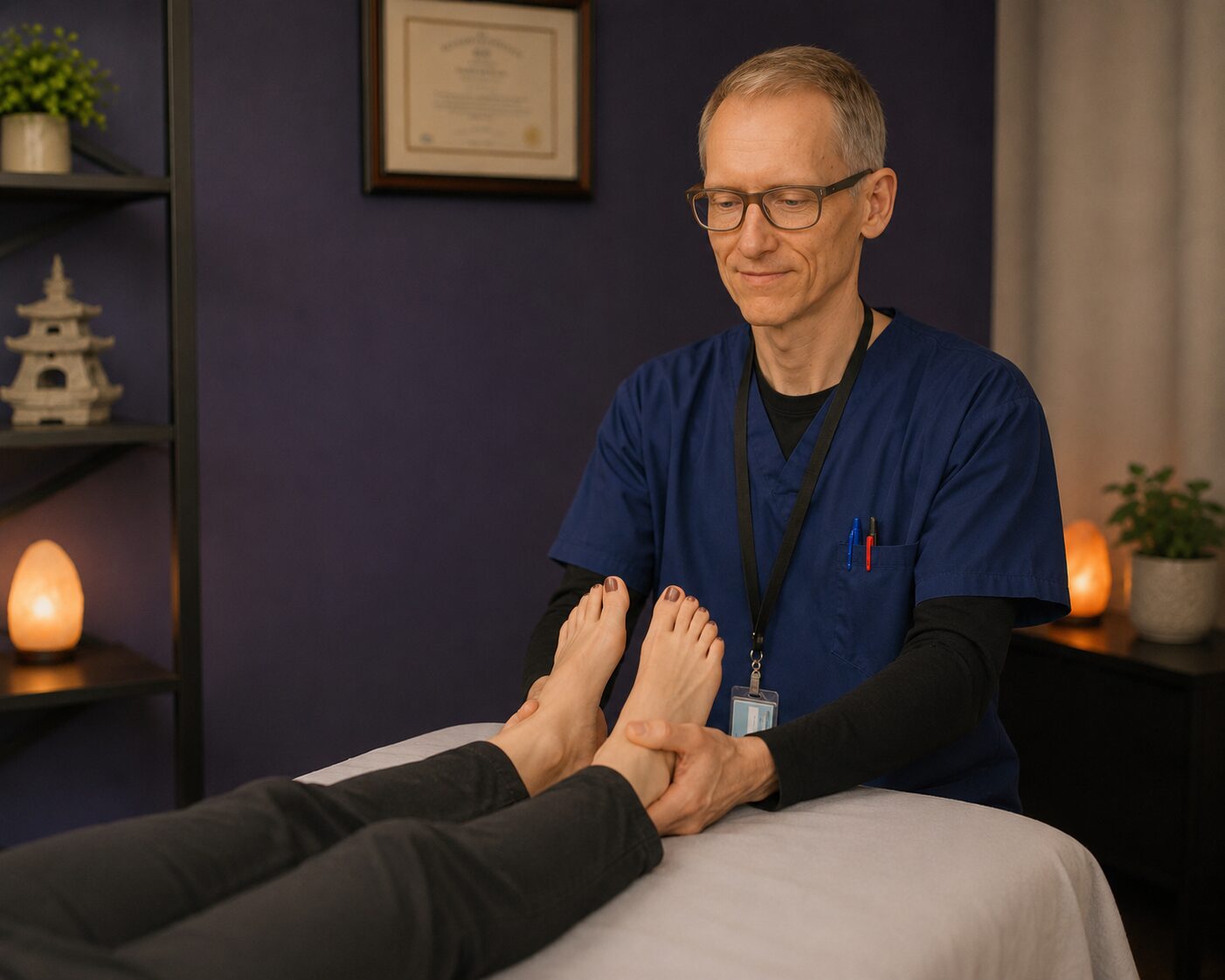
Hands-on treatments can support tissue recovery and reduce discomfort.
Common approaches:
- Soft tissue mobilization
- Gentle stretching
- Scar tissue management
These techniques may help improve circulation and reduce tightness.
3. Pain Management Without Over-Reliance on Medication
While medications may be necessary, complementary approaches can also help manage discomfort.
Examples:
- Cold and heat therapy
- Relaxation techniques
- Controlled breathing exercises
These methods can support comfort during recovery.
4. Improving Circulation and Healing
Healthy blood flow is essential for tissue repair.
How therapy helps:
- Encourages movement to stimulate circulation
- Reduces swelling
- Supports oxygen and nutrient delivery to healing tissues
This plays a key role in effective rehab healing.
5. Mental and Emotional Support
Recovery is not just physical, it can also affect your mental well-being.
Common challenges:
- Frustration with slow progress
- Anxiety about movement or reinjury
- Reduced independence
Supportive care and clear guidance can help build confidence during recovery.
What to Expect During Post Surgery Recovery Therapy
Each recovery plan is personalized, but most programs include:
Step-by-step process:
- Initial assessment of your condition and surgical history
- Gradual introduction of safe movements
- Progressive strengthening and mobility exercises
- Ongoing monitoring and adjustments
Your therapist will work closely with you to ensure your recovery stays on track.
Tips to Support Recovery at Home
Simple but effective habits:
- Follow your prescribed exercise plan
- Avoid overexertion or rushing recovery
- Maintain proper posture and movement
- Get adequate rest and sleep
Consistency is key to long-term success.
When to Seek Professional Help
It’s important to consult a healthcare provider if you experience:
- Increased pain or swelling
- Signs of infection (e.g., redness, warmth, fever)
- Limited progress in mobility
- Difficulty performing basic movements
Early intervention can help prevent complications and support safer recovery.
Frequently Asked Questions (FAQ)
1. How soon should I start therapy after surgery?
This depends on the type of surgery. Your doctor or therapist will advise when it is safe to begin.
2. Can therapy speed up recovery?
Therapy supports safe and efficient recovery by improving movement and function, but healing timelines vary by individual.
3. Is pain normal during recovery?
Some discomfort is expected, but it should be manageable. Always inform your therapist if pain increases.
4. How long does post-surgery rehab take?
Recovery time varies depending on the procedure, your health, and consistency with therapy.
5. Can I recover without therapy?
Some people recover without formal therapy, but guided rehabilitation often leads to better mobility and function.
Conclusion
Post-surgery recovery is a gradual process that requires the right balance of rest, movement, and professional guidance. A holistic approach to post surgery recovery therapy can support your body’s natural healing process while improving strength, mobility, and overall well-being.
If you’re recovering from surgery, working with a qualified professional can help you follow a safe, structured path toward full recovery at your own pace.
