Cupping therapy has gained significant interest as a complementary treatment embraced by various cultures. This interesting practice involves placing suction cups on the skin to promote healing and improve blood circulation. In this article, you will learn what cupping therapy is, how it works, and the reasons behind the marks it leaves on the skin. Exploring the benefits, side effects, and aftercare practices will provide you with a comprehensive understanding of this ancient therapy. While many seek cupping for its perceived benefits, it’s crucial to navigate the misconceptions surrounding the marks left on the skin. We will also provide an overview of best aftercare practices to maximize healing and address any concerns.
What Is Cupping Therapy? Understanding Its Origins and How It Works
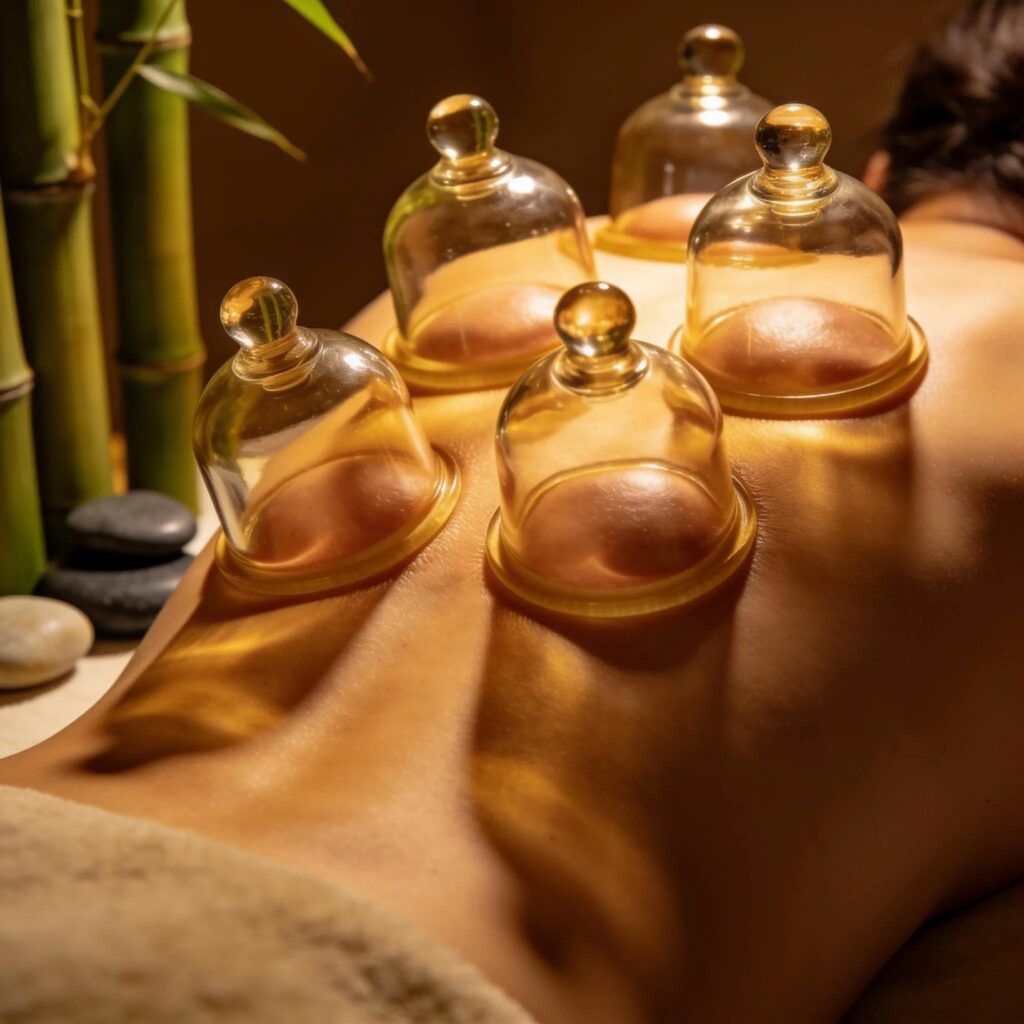
Cupping therapy is a traditional healing method that uses suction cups to create pressure on specific areas of the body. This technique has roots in ancient practices, primarily found in Traditional Chinese Medicine, and aims to enhance circulation and promote healing through increased blood flow and lymphatic drainage.
Where Did Cupping Therapy Originate and What Traditions Does It Follow?
The origins of cupping therapy trace back thousands of years, with its use documented in ancient Egyptian and Chinese texts. Historically, it has been utilized in various cultures, each contributing its techniques and insights. The Chinese, in particular, integrated cupping with acupuncture therapy principles, viewing it as a means to balance the body’s energy, or “Qi.” By understanding these traditions, one can appreciate how cupping has evolved into a popular complementary therapy today.
How Does Cupping Therapy Use Suction Cups to Affect the Skin and Circulation?
Cupping therapy employs specially designed suction cups that create negative pressure when applied to the skin. This suction draws the skin upward, which can help to relieve muscle tension and improve blood flow to the area. The increased circulation stimulates healing and can alleviate pain in muscles and joints. Many patients also combine cupping with Myofascial Release therapy for improved mobility and long-term pain relief. The cups can be left in place for a few minutes or moved across the skin, depending on the desired effect and therapy type.
Why Are There Cupping Marks? The Science Behind Skin Reactions and Healing Signs
After a cupping session, many individuals notice circular marks are left on the skin, which can vary in color and intensity. Understanding the science behind these marks is essential for those considering cupping therapy, as it helps demystify the reactions that occur.
What Causes the Circular Marks Seen After Cupping Therapy?
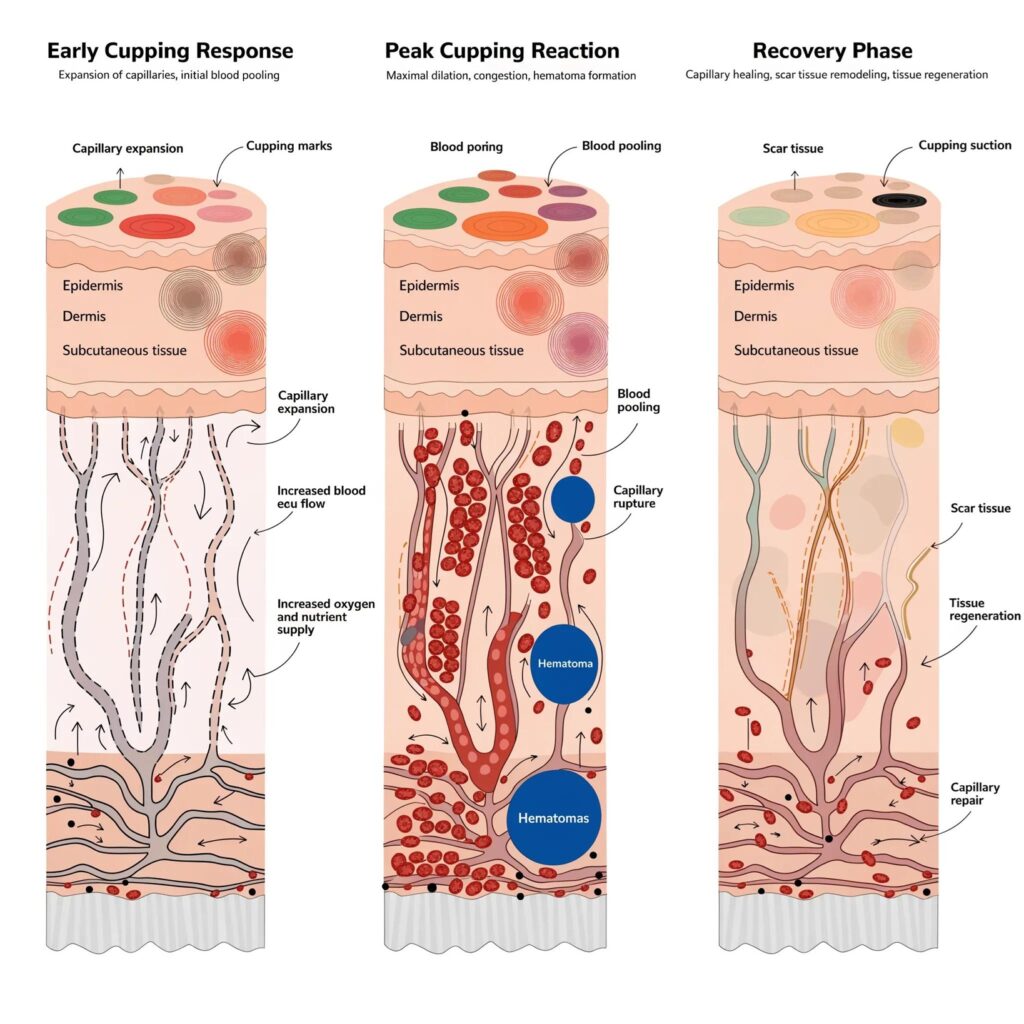
The circular marks left by cupping therapy result from the suction’s effect on the skin and underlying blood vessels. This process can cause small capillaries to break, leading to localized bruising. The colors of these marks can range from red to dark purple, reflecting the level of blood stagnation and the body’s healing response. These marks are generally harmless and serve as a physical sign of the therapy’s effectiveness.
How Long Do Cupping Marks Typically Last and What Do Their Colors Mean?
Cupping marks typically last between a few days to a couple of weeks, depending on individual skin sensitivity and the intensity of the suction used during the session. The initial red marks signify fresh blood flow, while darker shades can indicate older blood pooling. As the marks heal, they usually lighten and fade, indicating the body’s recovery process.
What Are the Benefits and Common Side Effects of Cupping Therapy?
Cupping therapy offers a range of potential benefits, making it a sought-after complementary treatment. While many people report positive outcomes, it’s also important to be aware of the possible side effects and risks associated with this therapy.
How Can Cupping Therapy Improve Circulation and Promote Healing?
The primary benefits of cupping therapy revolve around enhanced circulation and pain relief. By drawing blood to the surface of the skin, cupping can help alleviate muscle tension and soreness while promoting the overall healing process. Additionally, it is used to reduce inflammation, making it beneficial for various musculoskeletal conditions and sports injuries.
What Side Effects Should You Expect and How Safe Is Cupping Therapy?
While cupping therapy is generally considered safe for most individuals, some common side effects include transient soreness, mild bruising, and skin irritation at the application sites. Individuals with certain medical conditions, such as skin disorders or clotting issues, should consult a healthcare professional before undergoing cupping therapy.
Is Cupping Therapy Painful? Understanding Sensations During and After Treatment
Many individuals wonder about the discomfort levels associated with cupping therapy. This understanding can help ease concerns for first-time users and set realistic expectations.
What Level of Discomfort Is Common with Dry and Wet Cupping?
The sensation experienced during cupping therapy can vary depending on the technique used (dry vs. wet cupping) and individual sensitivity. Dry cupping typically involves minimal discomfort, as the suction creates a pulling sensation. Wet cupping, which involves slight skin incisions to draw blood, may cause more discomfort but is often described as tolerable. Personal experiences can differ widely; hence, open communication with practitioners about any concerns is advised.
How Does Pain Relate to Mark Intensity and Healing?
Pain levels during cupping can correlate with the intensity of the marks left on the skin. Darker or more pronounced marks may indicate greater stagnation or tension in the area, which the cupping seeks to alleviate. Understanding this relationship can help users gauge their treatment’s effectiveness as they monitor changes in pain and mark intensity over subsequent sessions.
What Are the Best Aftercare Practices Following Cupping Therapy?

Aftercare is an essential component of cupping therapy that can enhance its effectiveness and promote healing. Adopting proper aftercare practices can significantly impact skin recovery and overall treatment outcomes.
How Should You Care for Your Skin to Promote Healing of Cupping Marks?
To support healing, individuals are advised to keep the skin hydrated and avoid excessive sun exposure on marked areas. Applying soothing lotions or aloe vera can also help alleviate any potential irritation. Maintaining a healthy diet and staying hydrated further supports the body’s healing processes, ensuring optimal recovery.
When Should You Seek Medical Advice After Cupping Therapy?
While most cupping marks are benign and fade without complications, it’s crucial to seek medical advice if excessive pain, swelling, or signs of infection occur at the treatment sites. Consulting with a healthcare provider can help address any concerns and ensure a safe recovery process.
What Are Common Myths and Misunderstandings About Cupping Marks?
Despite its longstanding history, several myths about cupping therapy persist. Identifying these misconceptions can help individuals make informed decisions about whether to pursue this therapy.
Are Cupping Marks Bruises or Harmful Skin Damage?
Cupping marks are not bruises in the traditional sense, as they result from suction rather than trauma to the skin. Many users mistakenly believe these marks signify damage; however, they are merely visible signs of increased blood flow and healing reactions in the tissue. Understanding this distinction can alleviate fears regarding the safety and efficacy of cupping therapy.
Do Darker Marks Indicate Better Healing or More Pain?
Darker marks often relate to a greater degree of stagnation in the area treated, which can initially seem alarming. However, these marks do not necessarily indicate better healing; rather, they signify the body’s reaction to the treatment. As the marks start to fade, it reflects the body’s progress toward healing, aligning with individual health responses and recovery times.
Here’s a summary of the benefits and common side effects of cupping therapy, along with practical advice for aftercare and addressing myths surrounding the procedure:
| Benefit | Description | Side Effect | Description |
|---|---|---|---|
| Improved circulation | Enhanced blood flow promotes healing | Skin irritation | Mild redness or discomfort may occur |
| Pain relief | Alleviates tension in muscles and joints | Bruising | Temporary marks can occur from suction |
| Reduced inflammation | Lowers inflammation in painful areas | Sensitivity | Some individuals may experience heightened sensitivity post-treatment |
Through understanding cupping therapy’s principles, potential benefits, and implications of the marks it leaves, one can appreciate its role as a viable complementary treatment method. Always consult with a qualified practitioner to maximize benefits and minimize risks associated with this ancient yet effective therapy.
