
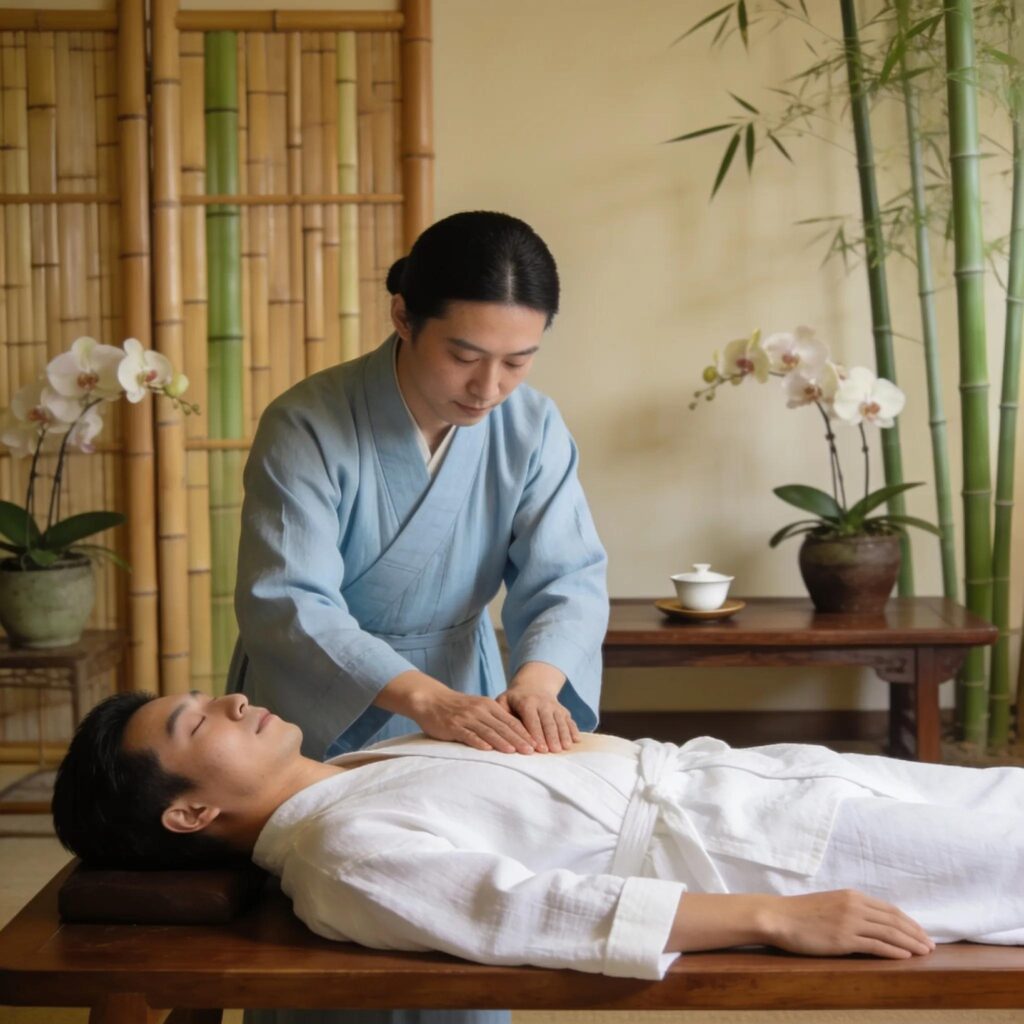
In recent years, there’s been a growing interest in holistic health approaches, leading many to explore therapies from Traditional Chinese Medicine (TCM). One such practice, Tuina massage, offers a unique blend of physical manipulation and metaphysical concepts that aligns with ancient Chinese philosophies. Through this article, you will learn about the history, techniques, benefits, and practical applications of Tuina massage within the framework of TCM. As many individuals seek natural remedies for various ailments, understanding Tuina can provide valuable insights for those exploring alternative therapies. We will delve into the rich historical roots of Tuina, its connection to TCM, the various techniques, and the specific benefits it can offer in managing health conditions.
What Is the History and Philosophy Behind Tuina Massage?
Tuina massage has its origins deeply embedded in the philosophical and historical landscape of Traditional Chinese Medicine. This practice integrates ideas from Taoism and Confucianism, emphasizing the balance of body, mind, and spirit in achieving health. Central to Tuina is the notion of Qi, the vital energy that flows through the body via meridians. The understanding of these concepts is crucial for comprehending how Tuina operates as a healing modality.
How Does Tuina Connect to Traditional Chinese Medicine Concepts?
Within TCM, Tuina addresses the flow of Qi and its relationship with balance and health. The manipulation techniques employed in Tuina aim to unblock energy pathways, facilitating the movement of Qi throughout the body. By restoring harmony between the physical body and the energetic field, practitioners believe they can address not only physical ailments but also emotional and spiritual imbalances. This holistic perspective aligns Tuina closely with other TCM practices, such as acupuncture and herbal medicine.
What Are the Key Historical Milestones of Tuina Massage?
Tuina can trace its roots back over 2,000 years, evolving alongside classical texts that shaped Chinese medical theory. Significant milestones include its documentation in the Huangdi Neijing (Yellow Emperor’s Classic of Internal Medicine), where it was recognized as a vital component of TCM. Over the centuries, Tuina has adapted and integrated new techniques while maintaining its essential principles, leading to its recognition as a legitimate therapeutic practice in both Eastern and Western medicine today.
How Does Tuina Massage Work: Techniques and Methods Explained
The effectiveness of Tuina massage hinges upon various techniques designed to manipulate the body’s energy and physical structures. Practitioners employ a range of methods to tailor their approach to individual needs, employing techniques learned through years of practice and application.
What Are the Common Tuina Massage Techniques Used by Practitioners?
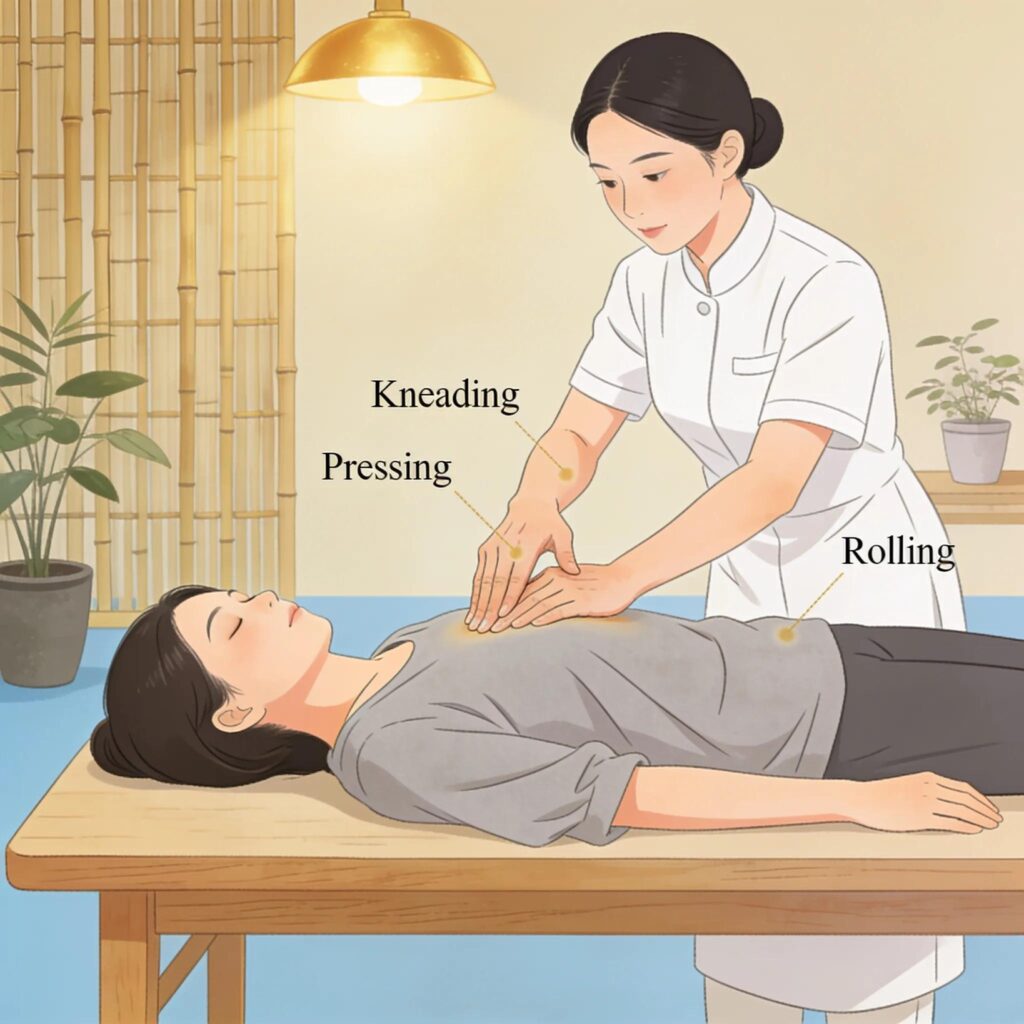
Common techniques in Tuina include:
- Kneading: This technique involves rhythmic manipulation of muscles and tissues to stimulate blood flow and relax tight areas.
- Pressing: Using the palms or thumbs, practitioners apply steady pressure to specific points, similar to acupressure, promoting Qi flow.
- Rolling: A technique that uses the hands to gently roll over areas of tension, enhancing circulation and releasing muscle tightness.
These techniques facilitate not only relaxation but also alleviate specific health issues by targeting underlying energetic disturbances.
How Do Tuina Manipulations Stimulate Qi Flow and Energy Pathways?
Tuina manipulations stimulate Qi flow by employing pressure and movement across energy pathways known as meridians. Each technique is aimed at restoring balance through mechanical and energetic adjustments, which can significantly enhance the body’s ability to heal itself. Studies suggest that these manipulation techniques contribute to improved immune function and reduced stress levels, benefiting both physical and mental health.
What Are the Benefits and Practical Uses of Tuina Massage?

Tuina massage offers numerous benefits that extend beyond mere relaxation. Its holistic approach allows it to address various health concerns in a natural, non-invasive manner.
Can Tuina Massage Help Manage Chronic Pain and Stress?
Yes, Tuina has been shown to be effective in managing chronic pain and stress. Research indicates that regular Tuina sessions can significantly reduce discomfort associated with conditions such as arthritis and fibromyalgia. Additionally, studies reveal that patients often experience lower anxiety levels and improved overall mood after receiving Tuina, making it an effective tool for stress management.
Which Health Conditions Are Commonly Treated with Tuina Therapy?
Tuina therapy is commonly utilized for a range of health conditions, including:
- Musculoskeletal issues such as back and neck pain
- Stress-related disorders, including anxiety and tension headaches
- Digestive problems, such as constipation and bloating
- Sleep disturbances, promoting deeper and more restful sleep
These applications showcase Tuina’s versatility and effectiveness in fostering wellness.
What Should You Expect During a Typical Tuina Massage Session?
During a Tuina massage, clients can expect a holistic experience that prioritizes their comfort and health. Each session typically involves an initial assessment where the practitioner evaluates the patient’s physical condition and discusses any specific health concerns.
What Are the Usual Treatment Steps in Tuina Massage?
Usual treatment steps during a Tuina massage session include:
- Initial Consultation: Discussing health history and current issues with the practitioner.
- Assessment: Evaluating areas of tension, pain, or imbalance through physical examination.
- Application of Techniques: Utilizing learned techniques tailored to address the individual’s specific needs.
- Aftercare Advice: Providing guidance on self-care practices to enhance the benefits of the session.
These steps ensure a comprehensive and targeted approach to treatment that respects the individual’s needs and preferences.
How Should You Prepare for Your First Tuina Massage Appointment?
Preparation for a Tuina massage appointment can enhance the overall experience. Clients should consider the following tips:
- Comfortable Clothing: Wear loose, comfortable clothing that allows for ease of movement.
- Hydration: Ensure you are well-hydrated before your session, as this can facilitate improved circulation.
- Open Communication: Prepare to share your health history and any specific concerns with the practitioner to develop the best treatment plan.
These preparatory steps help set the stage for an effective and enjoyable massage experience.
What Are Common Mistakes and Precautions in Tuina Massage?
While Tuina massage is generally considered safe, some common mistakes and precautions should be noted to ensure a beneficial experience. For additional professional guidance on treatment procedures and safety standards, review the WHO benchmarks for the practice of Tuina.
What Are Frequent Errors Made During Tuina Therapy?
Frequent errors during Tuina therapy may include overestimating the amount of pressure required for relief or expecting immediate results from a single session. It’s important to communicate openly with your practitioner about comfort levels to avoid discomfort and ensure adequate treatment.
Are There Any Side Effects or Contraindications for Tuina Massage?
While Tuina is generally safe, certain individuals should exercise caution. Potential side effects can include temporary soreness or fatigue post-treatment, especially for those new to massage. It is advisable for individuals with specific health concerns, such as severe osteoporosis, fractures, or blood clotting disorders, to consult with their healthcare provider before engaging in Tuina therapy.
How Does Tuina Massage Compare to Other Traditional Chinese Medicine Therapies?
Tuina is one of several therapeutic modalities within Traditional Chinese Medicine, standing out for its hands-on approach and direct manipulation techniques. Understanding how it compares to other practices brings clarity to its unique benefits and applications.
What Is the Difference Between Tuina and Acupuncture?
Tuina and acupuncture both originate from TCM but differ significantly in their approaches. While acupuncture therapy utilizes fine needles to stimulate specific points along meridians, Tuina involves physical manipulation of the body. The primary difference lies in Tuina’s active engagement with the physical body, versus acupuncture’s focus on energy pathways without physical touch.
When Should You Choose Tuina Over Other TCM Therapies?
Choosing Tui Na Therapy over other TCM therapies may be beneficial for individuals seeking a more interactive treatment approach. It is particularly suitable for those who prefer physical therapies, have muscular pain, or are looking to reduce stress through hands-on techniques. Consulting with a TCM practitioner can help determine the most appropriate treatment for specific health needs.
