
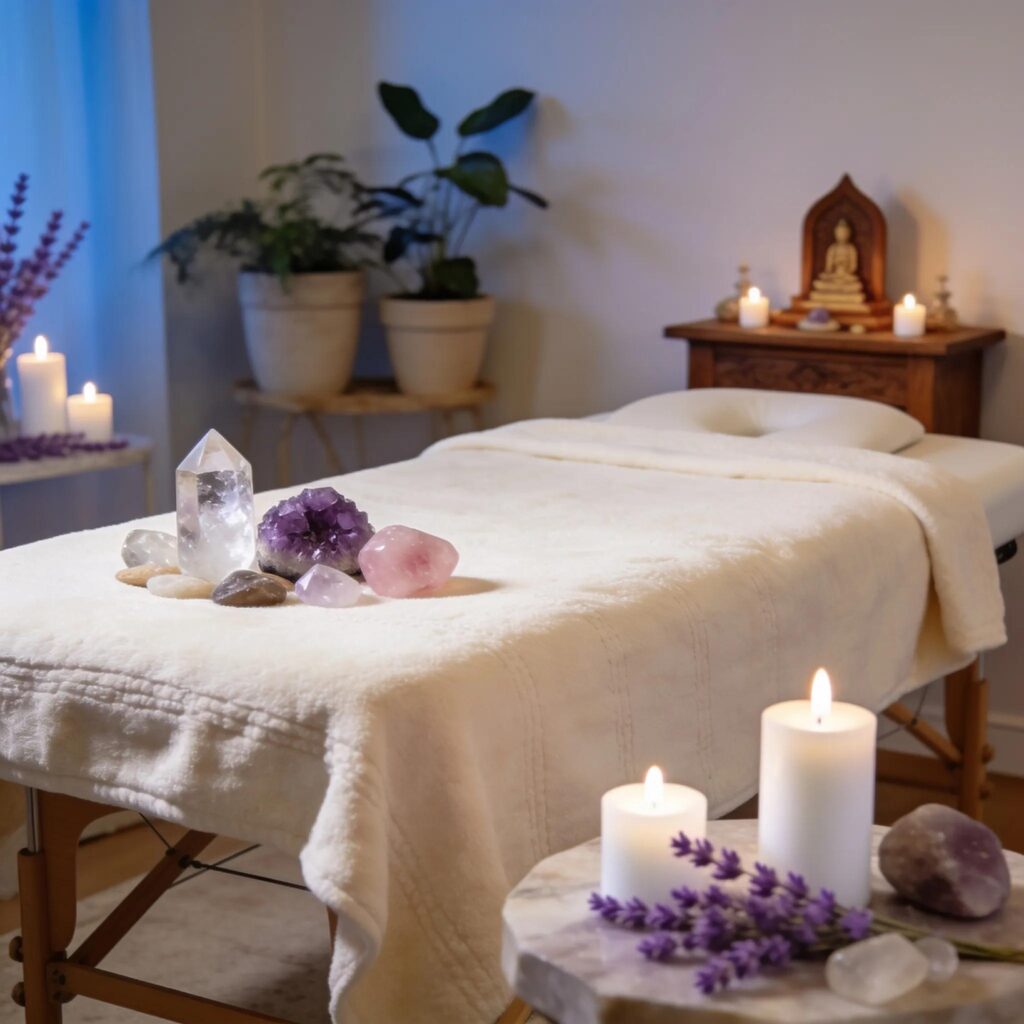
Reiki is a complementary wellness practice that focuses on relaxation, stress reduction, and overall well-being. As more people explore holistic approaches alongside conventional healthcare, understanding the foundations and practices of Reiki can be helpful. This article explains what Reiki is, where it originated, how practitioners describe the practice, and what you can expect during a session. We will also explore its potential benefits, common misconceptions, and how to find a qualified Reiki practitioner.
What Is Reiki and Where Did It Originate?
Reiki is a form of energy-based healing practice that originated in Japan in the early 20th century and is commonly associated with Mikao Usui. It is based on the belief that a universal life force energy flows through living beings.
Practitioners aim to support balance, relaxation, and a sense of well-being through gentle, noninvasive techniques. Learning about Reiki’s historical background can provide a better understanding of how the practice developed and why it is now used in many wellness settings around the world.
How Does Reiki Work as an Energy Healing Method?
Reiki is based on the belief that the body’s energy can become disrupted or imbalanced because of stress, emotional challenges, or other life experiences. During a session, practitioners typically place their hands gently on or just above different areas of the client’s body.
According to Reiki practice, this process is intended to support the flow of energy and encourage relaxation and balance. While Reiki should not replace appropriate medical care, some people use it as a complementary wellness practice to help them feel calmer and more relaxed.
Who Are Reiki Practitioners and What Is Their Role?
Reiki practitioners typically complete training in Reiki techniques and may receive certification from a Reiki teacher or training organization. They learn different hand positions, relaxation techniques, and approaches for creating a calm and comfortable environment.
A practitioner may also discuss the client’s goals, preferences, and areas of concern before the session. Their role is to provide a supportive and relaxing experience while respecting the client’s comfort, boundaries, and individual needs.
What Happens During a Reiki Session?
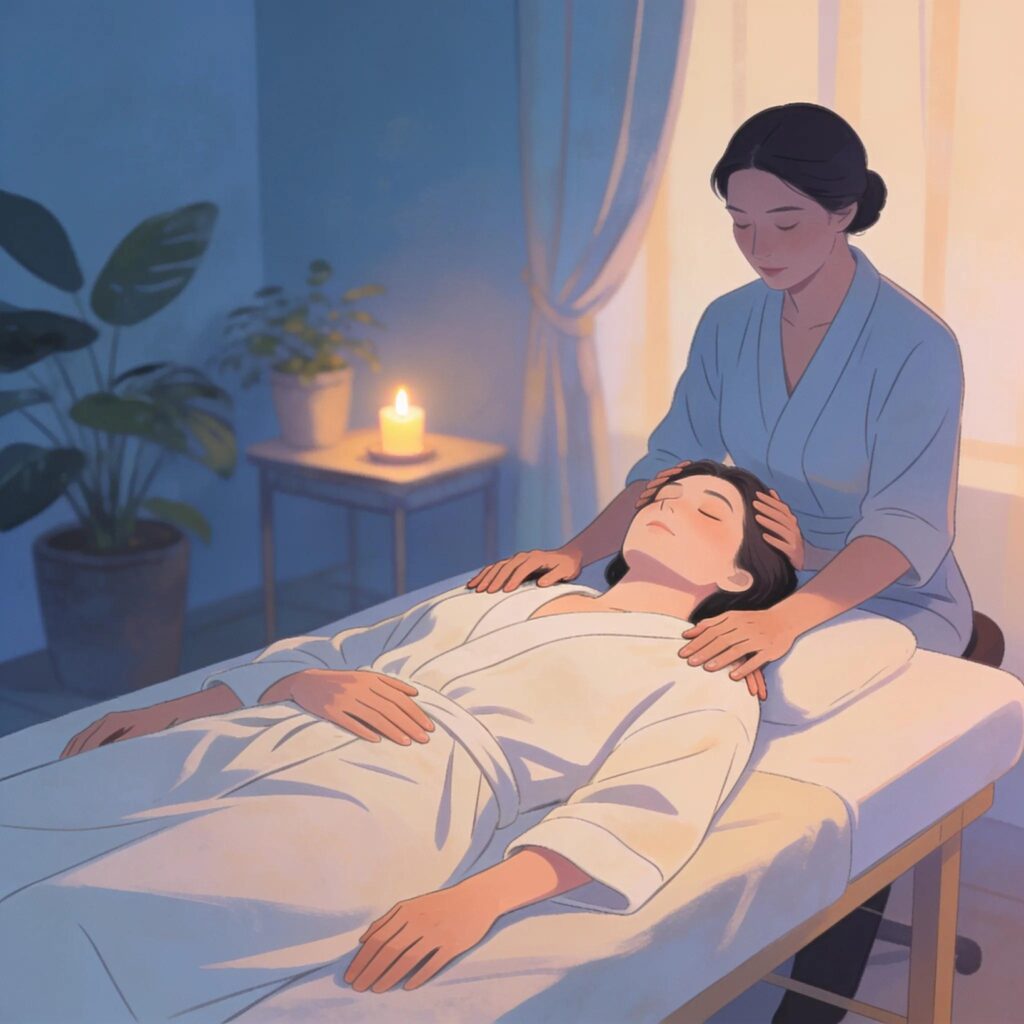
During a Reiki session, clients can usually expect a calm environment designed to encourage relaxation and comfort. Sessions commonly last between 60 and 90 minutes, although the length may vary depending on the practitioner and the client’s needs.
Understanding what typically happens during a session can help reduce uncertainty and make the experience feel more comfortable, especially for first-time clients.
What Are the Typical Steps and Hand Placements in Reiki Healing?
A typical Reiki session may include several steps and hand placements:
- Initial Consultation: The practitioner discusses the client’s goals, preferences, and any areas they would like the session to focus on.
- Creating a Comfortable Space: The client usually lies down fully clothed in a quiet and relaxing environment. Soft lighting or calming music may be used.
- Hand Placements: The practitioner gently places their hands on or slightly above different areas of the body. Common areas may include the head, shoulders, torso, arms, and legs.
- Reiki Practice: The practitioner moves through a series of hand positions while the client rests and relaxes. Some clients report sensations such as warmth, tingling, or a feeling of calm.
These steps help create a structured and comfortable experience throughout the session. A peaceful environment may also help clients relax more deeply.
How Does a Client Usually Feel Throughout the Reiki Session?
Experiences during Reiki sessions vary from person to person. Some clients report feeling deeply relaxed, peaceful, or sleepy. Others may notice sensations such as warmth, tingling, heaviness, or lightness.
Some people may also experience emotional responses or visual imagery while resting. Others may feel very little beyond general relaxation. Similar to other complementary wellness approaches, such as Dry Needling, individual experiences can vary from person to person. There is no single “correct” sensation to experience during Reiki, and understanding this can help clients approach the session with realistic expectations.
What Are the Benefits and Limitations of Reiki Healing?

According to the National Center for Complementary and Integrative Health, Reiki is considered a complementary health approach, although research has not clearly demonstrated its effectiveness for specific health-related purposes.
Which Physical and Emotional Benefits Can Reiki Provide?
People seek Reiki for several reasons, including:
- Stress Reduction: Reiki sessions are designed to encourage deep relaxation, which may help some people feel less stressed or anxious.
- Emotional Well-Being: Some clients report feeling calmer, more centered, or emotionally refreshed after a session.
- Comfort and Relaxation: Reiki may help create a sense of physical and mental comfort, particularly when used as part of a broader wellness routine.
- Complementary Support: Some people use Reiki and Tuina as complementary wellness practices to support relaxation and overall well-being.
Individual experiences vary, and Reiki should be considered a complementary wellness practice rather than a medical treatment.
What Are Common Misconceptions and What Does Reiki Not Promise?
Several misconceptions about Reiki are worth clarifying.
- It Is Not a Cure-All: Reiki should not be considered a substitute for medical treatment, medication, diagnosis, or professional healthcare.
- Results Vary: Every client’s experience is different. Some people report noticeable relaxation or emotional benefits, while others may experience only subtle changes.
- No Specific Sensation Is Required: A person does not need to feel warmth, tingling, or any other particular sensation for the session to be meaningful or relaxing.
Understanding these limitations can help clients approach Reiki with informed and realistic expectations.
How Should Clients Prepare and What Should They Expect During a Reiki Session?
Preparing for a Reiki session can help clients feel more comfortable and relaxed. A few simple steps before the appointment can make the experience smoother and more enjoyable.
What Are Helpful Tips for First-Time Reiki Session Participants?
First-time participants may benefit from the following recommendations:
- Keep an Open Mind: Approach the experience without expecting a specific sensation or outcome.
- Communicate Your Needs: Let your practitioner know about any preferences, concerns, or areas you would prefer them not to touch.
- Dress Comfortably: Wear loose, comfortable clothing that allows you to relax easily throughout the session.
These simple steps can help create a more comfortable and positive experience.
What Are Common Mistakes to Avoid Before and During the Session?
Clients can also avoid a few common issues before their Reiki appointment:
- Avoid Heavy Meals: Eating a very large meal immediately before the session may make it more difficult to relax comfortably.
- Limit Distractions: Silence your phone and minimize unnecessary interruptions during the session.
- Avoid Rushing: Arriving a few minutes early can give you time to settle in and prepare mentally for the experience.
Taking these practical steps can help create a calmer environment and allow you to focus on relaxation during the session.
How Do You Find and Choose a Trustworthy Reiki Practitioner?
Choosing a reputable Reiki practitioner can help you feel comfortable, respected, and confident throughout the experience.
What Certification and Experience Should a Reiki Practitioner Have?
When evaluating a Reiki practitioner, ask about their training, experience, and certification. Reiki training is commonly divided into different levels, although requirements can vary between teachers and organizations.
You may want to ask how long the practitioner has been practicing Reiki, where they completed their training, what techniques they use, and whether they have experience working with clients who have needs similar to yours.
A trustworthy practitioner should also be willing to explain what Reiki can and cannot do and should never discourage you from seeking appropriate medical care.
Where Can You Book a Reiki Healing Session Safely?
Clients can find Reiki practitioners through several sources:
- Local Wellness Centers: Holistic wellness centers, massage therapy practices, and similar facilities may offer Reiki sessions.
- Personal Recommendations: Recommendations from friends, family members, or trusted wellness professionals may help you find an experienced practitioner.
- Professional Directories: Reiki organizations and holistic wellness directories may provide practitioner listings, credentials, and client reviews.
Before booking, research the practitioner’s background, read available reviews, and ask questions about their approach. Choosing someone who communicates clearly and respects your comfort and boundaries can help create a safer and more positive Reiki experience.
