
What makes acupuncture safe?
When it comes to is acupuncture safe, acupuncture is generally considered safe when performed by an experienced, well-trained practitioner using sterile needles. The practice involves inserting very thin needles through the skin at strategic points on the body, a key component of traditional Chinese medicine. Safety depends on two factors: the practitioner’s skill level and the use of proper sterile technique.
What risks exist with improperly performed acupuncture?
Improperly performed acupuncture can cause complications, which is why practitioner training and sterile technique matter. Risks include infection from non-sterile needles, nerve damage from incorrect needle placement, and puncture of internal organs in rare cases. These complications are almost entirely preventable when a qualified professional follows established safety protocols.
How does Live Fully Now Rehab & Wellness ensure safe treatment?
At Live Fully Now Rehab & Wellness, every patient receives a thorough evaluation before treatment recommendations are made, ensuring care is safe and appropriate. This evaluation process aligns with current clinical standards and allows practitioners to identify any contraindications before beginning treatment. The center’s therapists hold credentials across Acupuncture, Physical Therapy, and Occupational Therapy, bringing multiple professional perspectives to each case.
Key safety factors in acupuncture treatment:
- Practitioner training and certification
- Use of single-use, sterile needles
- Thorough pre-treatment health evaluation
- Clean clinical environment and proper hygiene protocols
How does acupuncture work on the body?
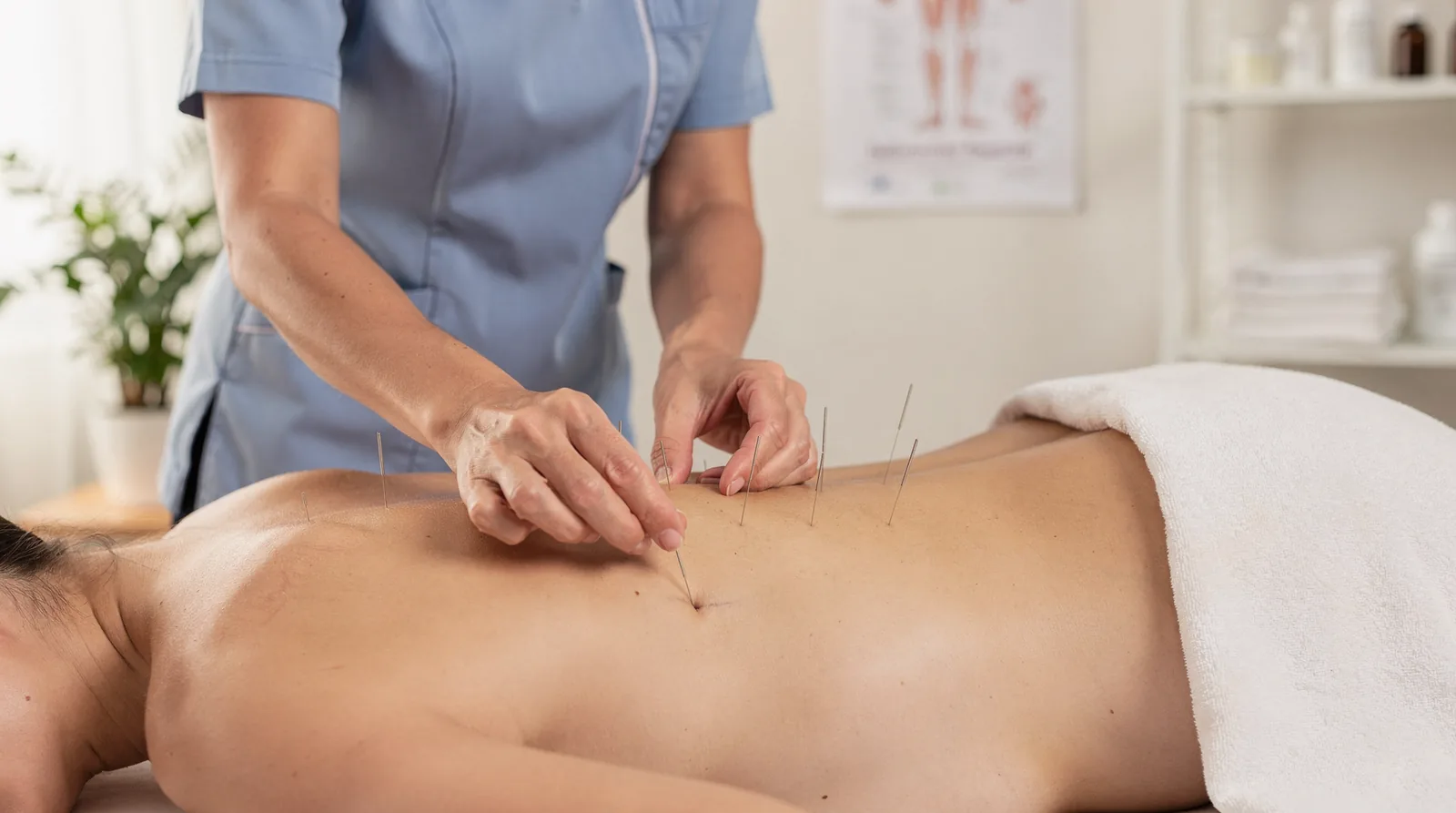
Acupuncture works by stimulating the body’s central nervous system. Immune system through the insertion of very thin needles at strategic points on the body. This stimulation triggers three specific responses: the body reacts to an illness or symptom, rebalances its internal systems, and releases natural chemicals such as endorphins, which act as the body’s natural painkillers.
What role does qi play in acupuncture?
Traditional Chinese medicine explains acupuncture as a technique for balancing the flow of energy or life force, known as chi or qi. Chinese medicine practitioners believe disruptions in qi create imbalances in the body’s energy that lead to illness. Acupuncture needles touch specific points along energy-carrying channels called meridians to restore this balance.
How does the body’s self-healing capacity connect to acupuncture?
The body has an amazing capacity to self-regulate and heal, which forms the foundation of holistic approaches like acupuncture. Acupuncture is most commonly used to treat pain. Its use for overall wellness, including stress management, continues to grow. By supporting the body’s natural healing mechanisms rather than overriding them, acupuncture helps clients achieve lasting relief without relying solely on medication.
What should you expect during treatment?
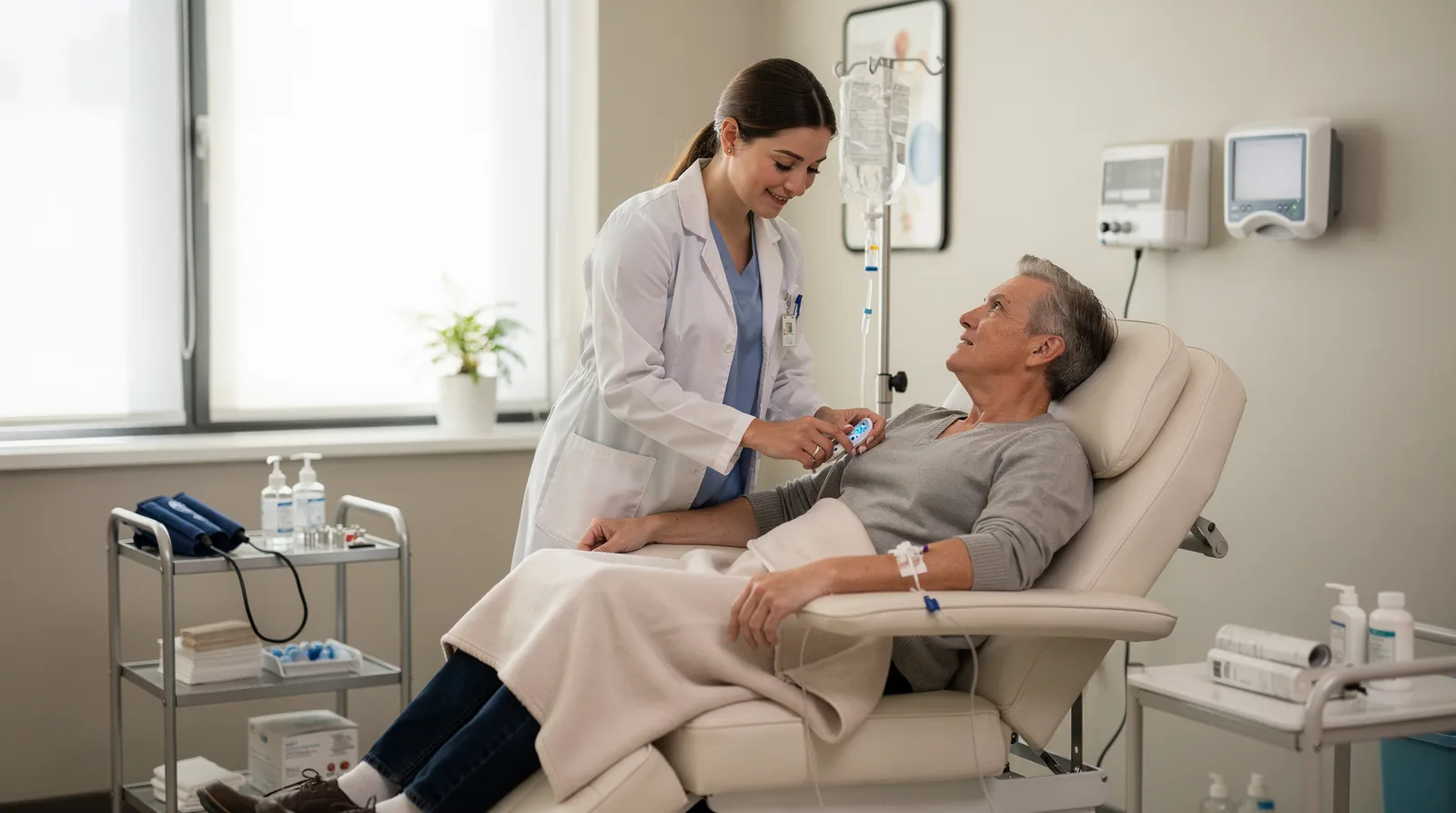
A first acupuncture session begins with a conversation, not needles. The acupuncturist talks with the patient about their condition before any treatment begins. This discussion helps the practitioner understand the specific symptoms, medical history, and wellness goals that brought the person in for care.
How does the practitioner create a treatment plan?
Licensed healthcare professionals at Live Fully Now Rehab & Wellness develop treatment plans tailored to each patient’s specific needs and goals. Therapists hold credentials across Acupuncture, Physical Therapy, and Occupational Therapy. This range of expertise allows evaluation from multiple professional perspectives, ensuring the plan addresses the whole person rather than isolated symptoms.
Can acupuncture be combined with other therapies?
Acupuncture may be used independently or combined into a personalized treatment plan with other therapies. The clinic offers a variety of evidence-informed approaches that work together. A patient might receive acupuncture alongside Craniosacral Therapy or Myofascial Release, depending on what the evaluation reveals. This integrative model creates a treatment path designed specifically for that individual’s recovery journey.
