

Living with muscle tension is a common concern for many people, often stemming from everyday stresses, poor posture, or physical activity. Myofascial release therapy provides a holistic approach to alleviate this discomfort by targeting specific fascial tissues in the body. This article delves into the intricacies of myofascial release, explaining its mechanics, benefits, and how individuals can safely practice it at home. Readers will learn about the importance of fascia, the methods used in this therapy, and the conditions it can improve. By understanding these concepts, you can better appreciate how this therapy enhances muscle health and overall well-being.
What Is Fascia and Why Is It Important for Muscle Health?
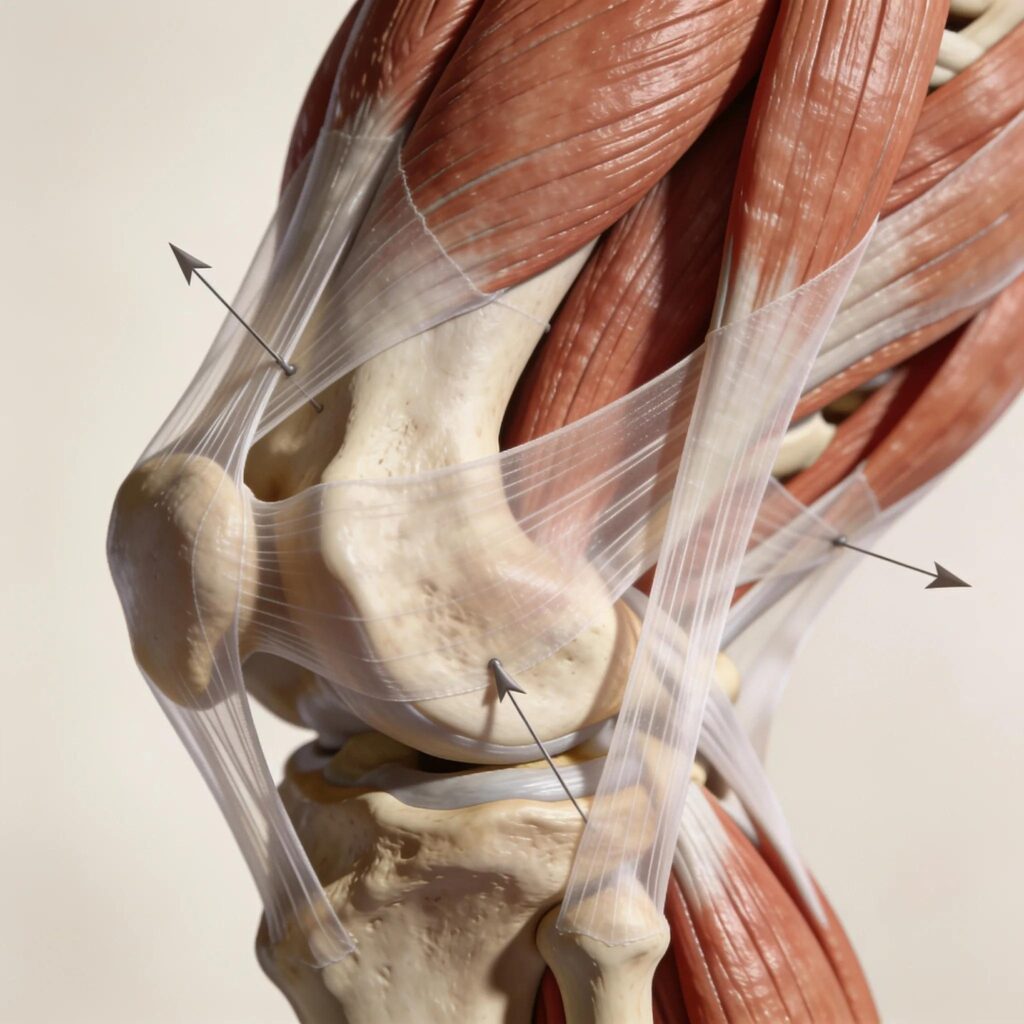
Fascia is a connective tissue that surrounds muscles, bones, and organs in the body, playing a crucial role in maintaining structural integrity and supporting bodily functions. It acts as a protective layer and also facilitates movement by allowing muscles to glide over one another. Healthy fascia is essential for preventing injuries and maintaining muscle function, while tight or dysfunctional fascia can lead to pain and restricted movement.
How Does Fascia Connect and Support Muscles?
Fascia connects muscles through a network of tissue that forms a continuous web throughout the body. This connective tissue is made of collagen and elastin fibers that allow flexibility and movement. The elasticity of fascia is vital; it enables muscles to expand and contract effectively, ensuring optimal movement patterns. This support system is essential not only for physical activities but also for overall body mechanics, as it helps distribute stress and tension during movement.
What Causes Fascia to Tighten and Create Tension?
Fascia can become tight due to various factors, including repetitive movements, chronic poor posture, and stress. Daily habits, like sitting for prolonged periods or using improper lifting techniques, can contribute to fascial restrictions as well. Stress and emotional tension can also lead to physical tightness in the fascia, causing discomfort or pain. Recognizing the root causes of tight fascia can help in developing strategies to alleviate tension and improve overall mobility.
How Does Myofascial Release Therapy Work to Relieve Muscle Tension?
MFR release therapy focuses on relieving tension in the fascia by applying gentle, sustained pressure to specific areas. This therapy facilitates the release of tightness and promotes better blood flow, allowing for enhanced healing within the muscle tissue. The release of fascia can lead to an overall reduction in pain and improvement in movement quality.
What Are the Manual Techniques Used in Myofascial Release?
Several manual techniques characterize MFR release therapy, including sustained pressure, stretching, and gentle manipulation. These hands-on methods are often integrated into broader therapeutic massage sessions to further relax tight muscles and improve circulation. Therapist-guided methods may involve using hands to apply pressure to specific points, while self-myofascial techniques utilize tools like foam rollers or massage balls to release tension in fascia. Each technique aims to target the fascia surrounding muscles, allowing for improved elasticity and reduced tightness.
How Does Myofascial Release Affect Trigger Points and Pain?
MFR release is particularly effective in addressing trigger points, hyperirritable spots within the muscle that can cause referred pain. By releasing these trigger points, myofascial therapy can alleviate associated pain and discomfort. Clinical observations suggest that patients often experience a reduction in pain levels and improved functionality over time, making this therapy a valuable tool for many individuals coping with chronic pain.
What Are the Benefits of Myofascial Release for Pain and Tension Relief?
The benefits of myofascial release include significant pain reduction, enhanced mobility, and stress relief. Many individuals report improved range of motion and enhanced muscle function following treatment sessions. Additionally, repetitive strain injuries and chronic pain conditions can often improve with this therapeutic approach.
-
- Chronic Pain Relief: Myofascial release therapy can help alleviate chronic pain conditions by releasing tight fascia and relieving pressure on nerves.
-
- Improved Mobility: The release of tension in fascia and muscles enhances overall mobility, making it easier to perform daily activities.
-
- Stress Reduction: The gentle nature of this technique promotes relaxation, reducing overall stress levels in the body.
For those seeking additional relief from muscle tension through this therapy, various techniques can be explored. As you consider options, appropriate to your personal circumstances can enhance your therapy experience.
Which Conditions Can Improve with Myofascial Release Therapy?
Many musculoskeletal disorders benefit from myofascial release therapy, particularly conditions such as fibromyalgia, chronic fatigue syndrome, and tension headaches. Research indicates that patients often find relief from these conditions, reporting improved quality of life and reduced symptoms. Additionally, athletic injuries related to muscle tightness are also commonly treated effectively results.
What Does Myofascial Release Feel Like During Treatment?
During a MFR release session, individuals may experience varying sensations, including a feeling of pressure or mild discomfort in the treated areas. The sensation is typically described as a deep stretch or relief as the fascia begins to release. Following treatment, many report feeling looser and more relaxed. This variability reflects how responses to therapy differ from person to person, as each person may have different levels of tension stored in their fascia.
How Can You Perform Safe Self-Myofascial Release at Home?

Self-myofascial release can be effectively achieved through various techniques that individuals can perform at home, using tools such as foam rollers, massage balls, or even your hands. This practice allows for personal exploration of muscle tightness areas and can complement professional therapy for sustained relief. However, it is essential to apply techniques mindfully to avoid overstretching or injuring the muscles.
What Are Common Mistakes to Avoid in Self-Myofascial Release?
When practicing these techniques at home, individuals should be mindful to avoid common mistakes, such as applying excessive pressure that leads to pain, neglecting breathing techniques, or rushing through the process. Using too much force can cause muscle strain, while not allowing adequate time for each targeted area can limit the potential benefits. Applying gentle pressure and taking time to explore tight spots are crucial for effectiveness.
When Should You See a Professional Therapist Instead?
Although self-myofascial release is beneficial, there are instances when professional therapy is advisable. Individuals experiencing severe pain, underlying medical conditions, or persistent tightness that does not improve with self-care should consult with a qualified therapist. Professional assessments can lead to tailored treatment plans that address specific needs, ensuring that therapy is both safe and effective.
What Are Common Misconceptions and Trade-offs About Myofascial Release?
Despite its growing popularity, there are several misconceptions surrounding this therapy. Some individuals may believe that immediate relief is guaranteed, leading to disappointment when results are gradual. Understanding the nature of fascial tensions and the healing process is crucial for realistic expectations regarding therapy outcomes.
Why Are Effects of Myofascial Release Often Gradual Rather Than Immediate?
The effects of myofascial release often become apparent over time as the body adjusts to the therapeutic techniques used. Unlike some physical therapies, which can provide instant relief, myofascial release focuses on deeper layers of muscle and fascia. As the body recalibrates, individuals may notice incremental improvements in pain and mobility rather than instant results.
How Does Practitioner Skill Impact Treatment Outcomes?
A therapist’s skill and experience play a vital role in the effectiveness of the treatment. Practitioners who understand anatomical structures can tailor treatment strategies more effectively, addressing specific issues and optimizing outcomes. The quality of training and techniques utilized directly influences the therapeutic experience, underlining the importance of seeking qualified professionals.
Where Can You Find Reliable Information and Recent Research on Myofascial Release?
When searching for information on this therapy, it is important to rely on credible sources. Respected institutions and peer-reviewed journals often provide the most accurate insights into current practices and research developments.
What Do Recent Clinical Studies Say About Myofascial Release Efficacy?
Research studies support the efficacy of MFR in reducing pain and improving function across several conditions, including sports injuries and chronic musculoskeletal pain. Systematic reviews indicate positive outcomes with consistent therapy applications, contributing to its growing acceptance in various healthcare settings. For recent clinical studies, consult reputable academic journals.
How Can You Stay Updated on Ongoing Myofascial Release Research?
To remain informed about new findings in the field, individuals can follow reputable health and wellness journals, attend workshops, or subscribe to newsletters related to physical therapy and rehabilitation. Engaging with professional communities also provides ongoing education and networking opportunities for those interested in this therapeutic practice.
