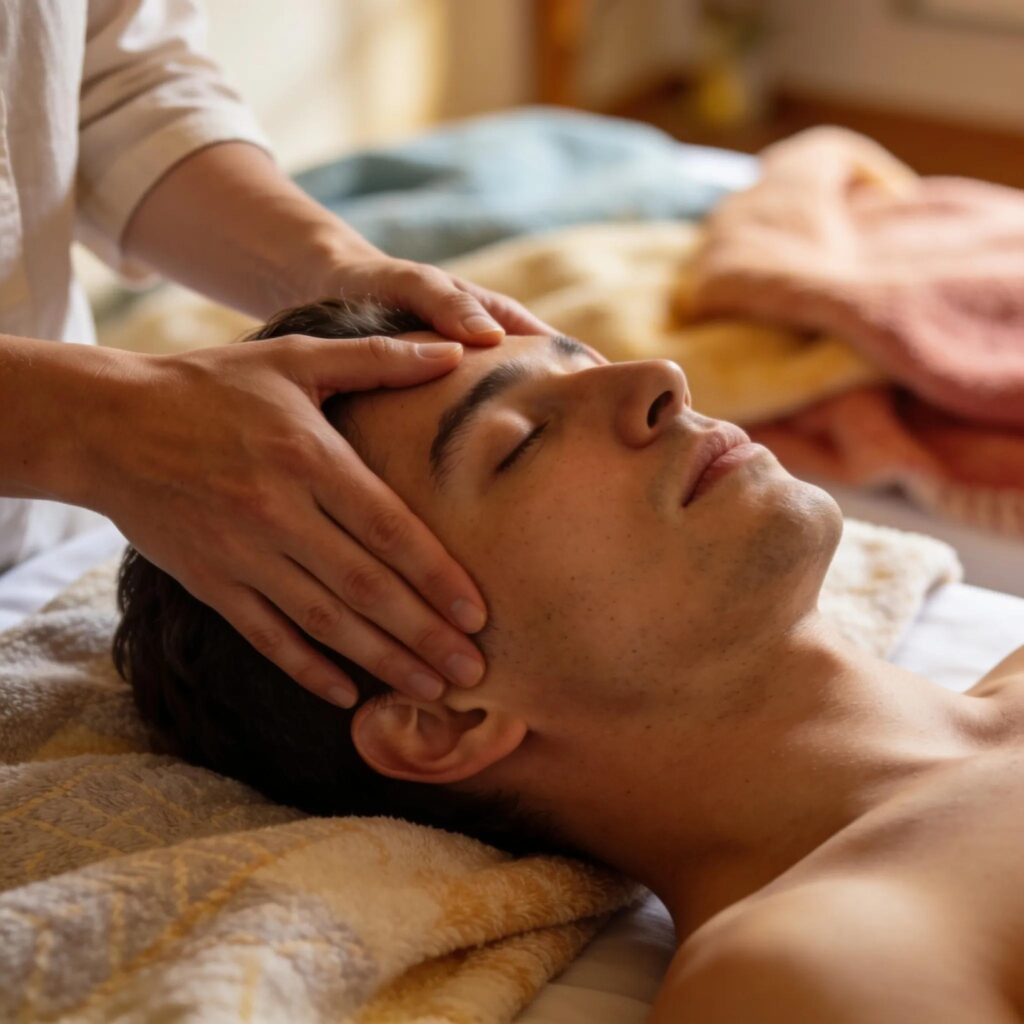
Craniosacral therapy (CST) is a gentle, hands-on approach that focuses on the craniosacral system, which includes the membranes and cerebrospinal fluid surrounding the brain and spinal cord. This therapy aims to enhance the body’s natural healing processes through light manipulation of these components. Many individuals experience various physical, emotional, and even spiritual benefits from CST, addressing conditions like chronic pain, stress, and emotional release. This comprehensive guide will explore the craniosacral system’s significance, how craniosacral therapy functions, the conditions it effectively treats, and common myths surrounding it.
What Is the Craniosacral System and Why Is It Important?
The craniosacral system is a crucial framework within the body that encompasses the membranes and cerebrospinal fluid that protect the brain and spinal cord. This system plays a vital role in maintaining optimal central nervous system function, which is essential for overall health. By understanding the craniosacral system’s importance, we can appreciate its impact on various physiological processes, including balance, mobility, and emotional regulation.
Which Components Make Up the Craniosacral System?
The craniosacral system consists of several key components, including:
-
- Dura Mater: This tough membrane encases the brain and spinal cord, acting as a protective barrier.
-
- Cranial Bones: These bones encase and protect the brain, facilitating movement and structural integrity.
-
- Cerebrospinal Fluid (CSF): This clear fluid surrounds the brain and spinal cord, providing protection and nourishment.
Each component serves a specific function, ensuring the craniosacral system operates smoothly to promote wellness.
How Does the Craniosacral System Support Body Health?
The craniosacral system plays a supportive role in body health by facilitating communication within the central nervous system. By maintaining optimal pressure and circulation of cerebrospinal fluid, the system aids in delivering nutrients and removing waste products from neural tissue. This support system enhances physical and emotional well-being, contributing to improved focus and emotional balance.
How Does Craniosacral Therapy Work? Techniques and Session Overview
CST works through gentle manipulations that release tension built up in the craniosacral system. Practitioners use a soft touch to evaluate the craniosacral rhythm and assess any restrictions within the membranes. This holistic approach allows therapists to identify areas of tension and gently release them, fostering an environment conducive to healing and relaxation.
What Are the Key Craniosacral Therapy Techniques Used by Practitioners?
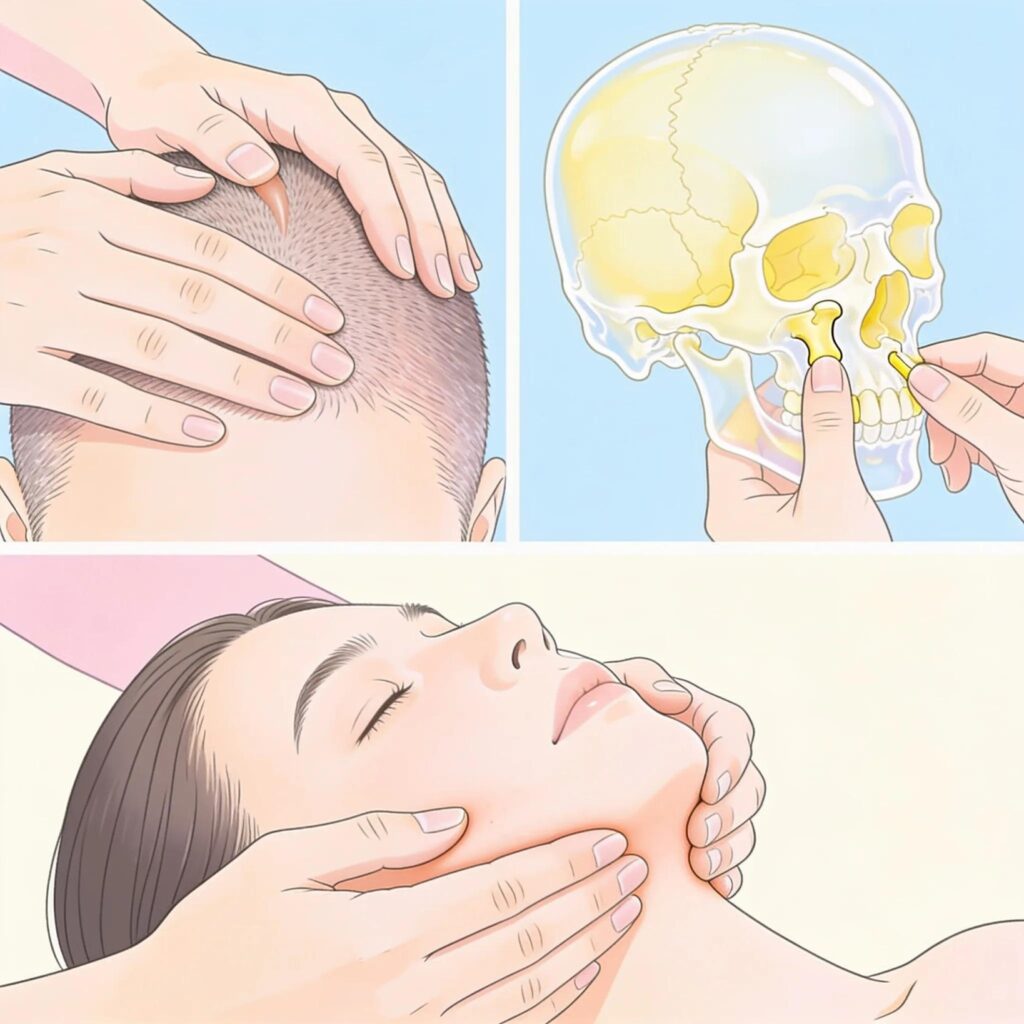
Key techniques used in CST include:
-
- Gentle Touch: Light contact helps practitioners assess and release tension.
-
- Cranial Manipulation: Adjustments to cranial bones promote fluid movement.
-
- Facial Release: Techniques targeting fascia relieve stress across the body.
These techniques emphasize a soft, non-invasive approach to restoring balance and health in the craniosacral system, allowing individuals to experience deep relaxation.
What Happens During a Typical Craniosacral Therapy Session?
During a typical CST session, clients lie fully clothed on a massage table while the therapist gently places their hands on key areas of the body. The session typically lasts from 30 to 60 minutes, during which the therapist uses specific techniques to assess and address restrictions. Clients often report feeling deeply relaxed, with some experiencing emotional releases or insights as tension melts away. The whole process is designed to create a safe and nurturing space for healing.
What Conditions Can Craniosacral Therapy Treat Effectively?
Craniosacral therapy has gained recognition for its effectiveness in treating a variety of conditions. Its gentle nature allows it to benefit individuals who may not respond well to more traditional forms of therapy.
A key aspect of its application is its ability to address discomfort arising from physical trauma or stress. For those seeking alternative pain relief, craniosacral therapy offers a unique approach.
How Does Craniosacral Therapy Help with Headaches, Stress, and Chronic Pain?
CST can effectively alleviate headaches, stress, and chronic pain through its focus on relaxation and tension release. By calming the nervous system and improving fluid flow, many patients experience reduced headache frequency and intensity For recurring migraine symptoms in particular, many people explore craniosacral therapy for migraines as a gentle complementary option. Additionally, the techniques used can release muscle tension, promoting a sense of well-being and easing chronic pain Because it eases tension throughout the head and jaw, craniosacral therapy for TMJ pain has become an option many patients consider. Understanding the relationship between the skeletal structure and nervous system is crucial for effective pain management.
Are There Other Health Issues Benefited by This Therapy?
Emerging studies suggest that craniosacral therapy may also positively influence conditions such as anxiety, depression, and sleep disorders. By creating a balanced and harmonious environment within the craniosacral system, individuals may find relief from symptoms and overall improved emotional health. This holistic method can be particularly beneficial for holistic stress management.
What Are the Benefits and Common Misconceptions About Craniosacral Therapy?
Craniosacral therapy boasts numerous reported benefits, making it an appealing option for many seeking holistic healing approaches.
Which Benefits Are Most Frequently Reported by Patients?
Patients commonly report the following benefits from CST:
-
- Enhanced Relaxation: Many experience profound peace and reduced anxiety.
-
- Pain Relief: Notable relief from chronic pain conditions.
-
- Increased Mobility: Improvements in overall physical movement and flexibility.
These benefits illustrate how craniosacral this can support various aspects of health and wellness.
What Are the Common Myths and Misunderstandings About This Therapy?
Despite its rising popularity, several myths exist about craniosacral therapy, such as:
-
- It’s Only for Pain Relief: While pain relief is a significant aspect, CST also supports emotional and psychological healing.
-
- It’s a New Age Fad: In fact, CST has roots dating back to the early 20th century and has been developed within the medical community.
-
- Only Certain People Benefit: CST is accessible for a wide range of individuals, including children and the elderly.
Addressing these misconceptions helps clarify the therapy’s value and reinforces its place in holistic health practices. You can find answers to more common questions in our holistic therapy FAQ.
Is Craniosacral Therapy Safe? Risks and Who Should Avoid It
CST is generally regarded as safe; however, it’s important to consider individual health circumstances.
What Are the Potential Risks or Side Effects of Craniosacral Therapy?
While most individuals experience no adverse effects, some potential risks may include mild discomfort or fatigue after a session. It’s critical for practitioners to provide clear guidance on what clients might expect during and after treatment to ensure comfort and understanding. Proper education on potential risks associated with CST is essential.
Who Should Consult a Doctor Before Starting Craniosacral Therapy?
Individuals with certain medical conditions, such as severe head injuries, acute aneurysms, or specific neurological conditions, should consult a healthcare provider before beginning treatment. Engaging openly with healthcare practitioners ensures that the therapy aligns with broader treatments and health strategies.
How Can You Find a Qualified Craniosacral Therapist? Training and Certification Insights
Finding a qualified craniosacral therapist is essential to ensure an effective and safe therapeutic experience.
What Training and Certification Should Craniosacral Therapists Have?
Qualified therapists typically have training in CST through accredited programs, completing hundreds of hours of coursework and hands-on practice. Certifications from recognized organizations validate the practitioner’s competence, ensuring those seeking therapy engage with trained professionals.
Where Can You Look for Certified Craniosacral Therapy Practitioners?
To find certified craniosacral practitioners, individuals can refer to professional directories and organizations dedicated to craniosacral therapy. Local wellness centers often provide directories of qualified practitioners who can facilitate effective and safe treatments.
