Introduction
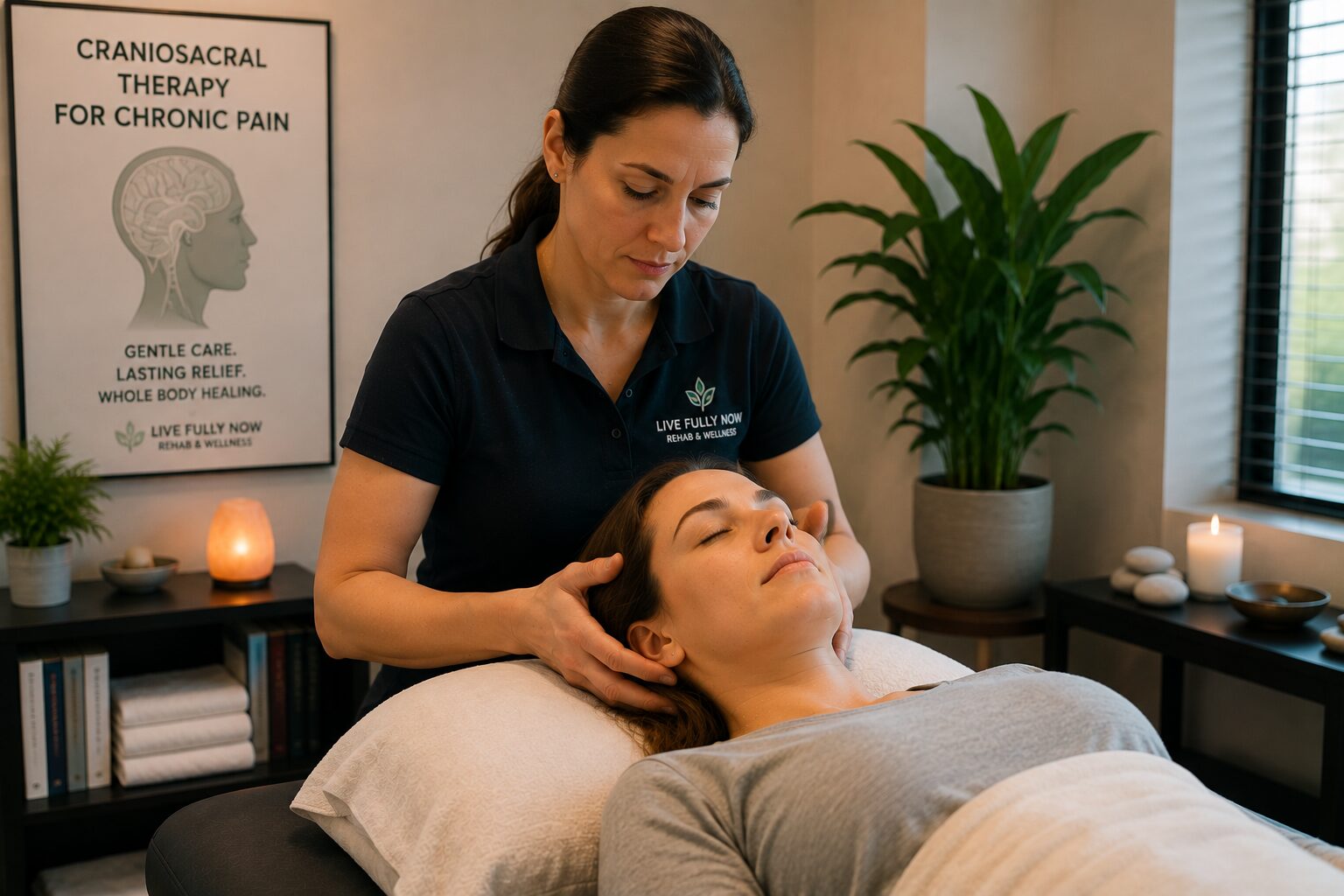
You wake up hoping today will be different.
You stretch carefully before getting out of bed because your body already feels stiff. By the time you finish brushing your teeth, your neck feels tight. Sitting through breakfast becomes uncomfortable. Driving to work aggravates your lower back, and by mid-afternoon, you’re mentally exhausted not only from the pain itself, but from constantly thinking about it.
People living with chronic pain often describe feeling trapped in a cycle. Some days are manageable. Other days, even simple tasks like grocery shopping, gardening, exercising, or playing with grandchildren feel overwhelming.
Many have already tried medications, physical therapy, injections, massage therapy, chiropractic care, or home exercises. Some find temporary relief, while others continue searching for additional approaches that may help improve comfort and quality of life.
One therapy that has gained increasing attention is CranioSacral Therapy (CST).
Unlike treatments that focus on forceful manipulation or aggressive stretching, CranioSacral Therapy uses a remarkably gentle hands-on approach. The goal is not to “fix” the body through force, but to support the body’s natural ability to regulate tension, improve mobility, and promote relaxation within the nervous system.
At Live Fully Now Rehab & Wellness, patients throughout Hackettstown, NJ, as well as nearby communities including Long Valley, Chester, Washington, Mansfield, Independence Township, and Mount Olive, often ask whether CranioSacral Therapy could become part of their personalized rehabilitation plan.
The answer depends on many factors, including the underlying cause of pain, overall health, functional limitations, and individual treatment goals.
This guide explains what chronic pain is, how CranioSacral Therapy may support recovery, what current research suggests, realistic expectations during treatment, and how CST can fit within a comprehensive rehabilitation program.
Understanding Chronic Pain
What Is Chronic Pain?
Pain is the body’s way of getting our attention.
If you accidentally touch a hot stove, pain tells you to pull your hand away before more damage occurs.
That type of pain serves an important protective purpose.
Chronic pain is different.
Most healthcare providers define chronic pain as pain lasting longer than three months, although the exact timeframe may vary depending on the condition.
In some cases, tissues continue healing normally, yet pain persists long after the original injury has improved.
This does not mean the pain is imaginary.
Instead, it reflects changes in how the nervous system processes pain signals.
Researchers now understand that chronic pain is often influenced by multiple biological, psychological, and social factors working together.
Acute Pain vs. Chronic Pain
Understanding the distinction helps explain why chronic pain often requires a broader treatment approach.
| Acute Pain | Chronic Pain |
|---|---|
| Usually follows injury or illness | Persists beyond expected healing time |
| Protective warning signal | Nervous system may become overly sensitive |
| Often improves as tissues heal | May continue despite tissue recovery |
| Short-term | Long-term |
| Often linked to visible injury | May involve complex interactions between tissues and the nervous system |
Someone who sprains an ankle expects discomfort for several weeks.
Someone living with chronic neck or back pain may continue hurting months or even years after the original injury.
That difference changes how healthcare professionals approach treatment.
Chronic Pain Is More Than Damaged Tissues
One of the biggest misconceptions about chronic pain is that it always means something is continuing to worsen inside the body.
In reality, pain is created by the brain after it receives information from many different sources.
Those sources include:
- Muscles
- Joints
- Ligaments
- Fascia
- Connective tissue
- Peripheral nerves
- The spinal cord
- The brain itself
Think of your nervous system as a home security system.
When it’s working normally, the alarm sounds only when someone truly breaks into the house.
With chronic pain, the alarm system sometimes becomes overly sensitive.
Instead of responding only to true danger, it may react to small movements, light pressure, prolonged sitting, stress, or even activities that were once completely comfortable.
The alarm is real.
It’s simply responding more easily than it should.
This process is known as central sensitization, meaning the central nervous system becomes more responsive to pain signals over time.
Understanding this concept helps explain why treatments aimed at calming the nervous system including CranioSacral Therapy are increasingly being explored as part of multidisciplinary pain management.
Conditions Commonly Associated With Chronic Pain
Chronic pain is not a single diagnosis.
Instead, it describes a symptom that can occur with many different health conditions.
Examples include:
- Chronic low back pain
- Chronic neck pain
- Fibromyalgia
- Osteoarthritis
- Persistent headaches
- Migraine disorders
- Temporomandibular joint (TMJ) dysfunction
- Sciatica
- Myofascial pain syndrome
- Persistent pain following injury or surgery
Each condition has its own underlying mechanisms.
This is why treatment should always begin with an individualized assessment rather than assuming every chronic pain condition responds the same way.
Why Muscles and Fascia Matter
When pain persists, the body naturally adapts.
Many people begin:
- Guarding painful areas
- Moving differently
- Limiting activity
- Holding muscles in protective tension
Although these responses are understandable, they can gradually create additional problems.
Muscles may become weaker.
Joints may lose mobility.
Connective tissues including fascia may become less flexible.
Movement begins requiring more effort.
This creates a cycle where pain leads to stiffness, stiffness changes movement, and altered movement contributes to additional discomfort.
Breaking that cycle often requires more than treating one painful spot.
The Role of Fascia
Fascia is a thin but remarkably strong network of connective tissue surrounding muscles, nerves, blood vessels, bones, and organs.
Rather than functioning as isolated structures, everything in the body is connected through this continuous fascial network.
Imagine wearing a full-body sweater beneath your skin.
If one area of the sweater becomes twisted or tight, tension may be felt somewhere else.
Fascia behaves in a similar way.
Restrictions in one region may influence movement elsewhere.
Researchers continue studying how fascial mobility affects pain, flexibility, and movement efficiency.
Although many questions remain, growing evidence suggests connective tissue plays a more active role in pain than previously believed.
The Nervous System and Persistent Pain
Pain is influenced by much more than muscles and joints.
The autonomic nervous system which helps regulate heart rate, breathing, digestion, and stress responses also affects how pain is experienced.
When people live with chronic pain for months or years, the body often spends more time in a heightened “fight-or-flight” state.
This increased alertness may contribute to:
- Muscle tension
- Poor sleep
- Fatigue
- Increased pain sensitivity
- Difficulty relaxing
- Reduced concentration
Helping the nervous system shift toward a calmer, more regulated state has become an important goal of many rehabilitation strategies.
This is one reason gentle therapies that encourage relaxation are increasingly incorporated alongside exercise, education, and movement-based rehabilitation.
Chronic Pain Requires a Comprehensive Approach
Because chronic pain involves multiple body systems, treatment often works best when several approaches are combined.
Depending on the individual, a rehabilitation plan may include:
- Physical therapy
- Therapeutic exercise
- Manual therapy
- CranioSacral Therapy
- Massage therapy
- Pain education
- Stress-management strategies
- Sleep optimization
- Activity modification
- Home exercise programs
Rather than searching for one treatment that “fixes” everything, healthcare providers increasingly focus on combining therapies that address different contributors to pain.
This personalized approach recognizes that every patient’s experience is unique.
For some individuals, CranioSacral Therapy becomes one valuable piece of that larger rehabilitation plan.
How CranioSacral Therapy Works
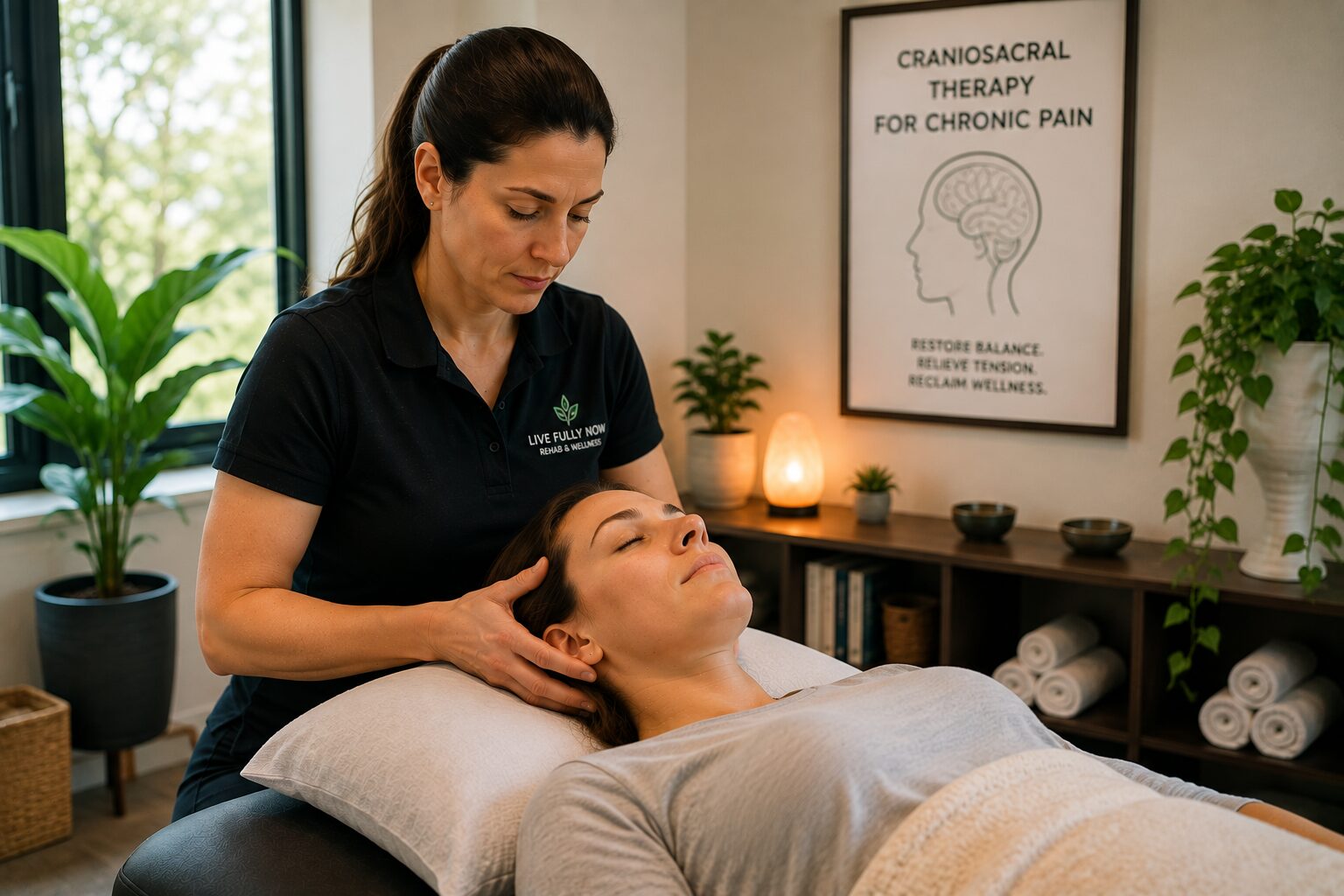
One of the first things many patients notice about CranioSacral Therapy (CST) is how gentle it feels.
If you’ve previously received deep tissue massage, spinal manipulation, or aggressive stretching, CranioSacral Therapy may seem surprisingly subtle.
That often leads to another question:
“How can such gentle treatment possibly make a difference?”
The answer begins with understanding that chronic pain is not always the result of forcefully restricted muscles or joints. In many people, persistent pain also involves changes within the nervous system, connective tissues, breathing patterns, stress responses, and muscle guarding. Sometimes helping the body recover requires calming these systems rather than applying greater force.
What Is CranioSacral Therapy?
CranioSacral Therapy is a light-touch manual therapy that focuses on evaluating and treating restrictions that may affect the body’s natural movement and overall function.
During treatment, a trained therapist places their hands gently on different parts of the body, commonly including the:
- Head
- Neck
- Jaw
- Shoulders
- Spine
- Sacrum (the triangular bone at the base of the spine)
- Pelvis
Rather than manipulating joints or forcefully stretching muscles, the therapist uses precise, gentle hand contacts while assessing tissue movement and areas of restriction.
Many patients describe the experience as deeply relaxing.
Some notice subtle changes immediately, while others experience gradual improvements over multiple sessions.
Why the Nervous System Matters
Modern pain science has changed how healthcare professionals think about chronic pain.
Years ago, pain was often viewed as a direct measure of tissue damage.
Today we know the relationship is much more complex.
Pain is created by the brain after processing information from:
- Muscles
- Fascia
- Joints
- Ligaments
- Nerves
- Internal organs
- Previous experiences
- Emotional stress
- Sleep quality
- Environmental factors
Imagine the nervous system as the body’s volume control.
When functioning normally, it turns pain signals up when protection is needed and lowers them once healing occurs.
With chronic pain, that volume control sometimes remains turned up higher than necessary.
Activities that should feel comfortable may begin producing discomfort.
CranioSacral Therapy is believed to support a calmer, more regulated nervous system, which may help reduce this heightened sensitivity for some individuals.
Research is ongoing, and scientists continue to investigate the exact biological mechanisms involved.
Supporting the Parasympathetic Nervous System
The autonomic nervous system has two major branches:
Sympathetic Nervous System
Often called the “fight-or-flight” system.
It prepares the body to respond to challenges by increasing:
- Heart rate
- Muscle tension
- Alertness
- Stress hormone release
This response is valuable during emergencies.
Problems arise when the body remains in this heightened state for prolonged periods.
Parasympathetic Nervous System
Often referred to as the “rest-and-digest” system.
It helps promote:
- Relaxation
- Recovery
- Digestion
- Tissue repair
- Slower breathing
- Reduced muscle tension
Many patients living with persistent pain spend very little time in this restorative state.
One proposed benefit of CranioSacral Therapy is that its gentle approach may encourage greater parasympathetic activity, allowing the body to shift away from constant protective muscle guarding and heightened stress responses.
While not every patient experiences the same effect, many report feeling calmer and more relaxed following treatment.
Fascia and Connective Tissue
Connective tissue has become an increasingly important area of pain research.
Fascia forms a continuous web throughout the body.
Rather than acting like isolated pieces of fabric, fascial tissues connect muscles, bones, nerves, blood vessels, and organs into one integrated system.
Healthy fascia glides smoothly as we move.
Following injury, prolonged inactivity, repetitive movement, or persistent muscle guarding, these tissues may lose some of their normal mobility.
Patients often describe this as:
- Tightness
- Pulling
- Stiffness
- Feeling “bound up”
Gentle manual techniques used during CranioSacral Therapy may influence these connective tissues and improve how different structures move relative to one another.
Although researchers continue studying these effects, fascial mobility is considered one possible contributor to improved comfort and movement.
The Relationship Between Stress and Pain
Many people notice their pain becomes worse during stressful periods.
This does not mean the pain is “all in your head.”
Stress produces measurable physical changes, including:
- Increased muscle tension
- Faster breathing
- Elevated heart rate
- Reduced sleep quality
- Greater nervous system sensitivity
Over weeks or months, these changes can contribute to persistent pain.
Helping the body relax is therefore more than simply creating a pleasant experience.
Relaxation may support healthier nervous system regulation, improve sleep, reduce protective muscle guarding, and make rehabilitation exercises easier to perform.
Pain Is More Than Muscles
When someone has chronic shoulder pain, the shoulder itself is only part of the story.
The body adapts in many ways.
For example:
- Neck muscles may tighten.
- Breathing patterns may become shallow.
- Posture may change.
- Sleep quality may decline.
- Activity levels may decrease.
- Fear of movement may develop.
Each adaptation influences the others.
Effective rehabilitation often addresses this entire system rather than focusing only on the painful area.
This broader perspective explains why CranioSacral Therapy is commonly integrated with movement-based rehabilitation instead of replacing it.
Potential Benefits
Every person’s experience with chronic pain is different.
Because of this, no treatment including CranioSacral Therapy can guarantee improvement.
Current evidence and clinical experience suggest CST may provide meaningful benefits for some individuals when used as part of a comprehensive rehabilitation program.
Potential Benefits of CranioSacral Therapy
Patients may experience improvements in:
- Pain intensity
- Muscle tension
- Relaxation
- Sleep quality
- Stress management
- Body awareness
- Neck mobility
- Overall comfort during movement
- Participation in rehabilitation
- Quality of life
The degree of improvement varies considerably between individuals.
Some notice changes after the first session, while others experience gradual progress over several weeks.
Conditions Where CST May Be Considered
Healthcare providers may incorporate CranioSacral Therapy into treatment plans for patients experiencing:
| Condition | How CST May Support Care |
|---|---|
| Chronic neck pain | May reduce muscle guarding and promote relaxation |
| Chronic low back pain | May complement exercise and manual therapy |
| Fibromyalgia | May support nervous system regulation and relaxation |
| TMJ dysfunction | May address surrounding muscle and fascial tension |
| Persistent headaches | May reduce neck and cranial muscle tension |
| Migraine | May be part of a multidisciplinary management plan |
| Postural strain | May improve comfort while movement patterns are retrained |
| Stress-related muscle tension | May encourage relaxation and body awareness |
CST should not be viewed as a cure for these conditions but rather as one potential component of individualized care.
What Does the Research Say?
Research on CranioSacral Therapy continues to evolve.
Some studies suggest that CST may help improve pain, physical function, and quality of life in certain chronic pain populations.
Patients with conditions such as chronic neck pain, chronic low back pain, fibromyalgia, and migraine have shown promising results in some clinical trials.
However, research findings are not completely consistent.
Some studies report meaningful improvements, while others find smaller or less certain effects.
Several factors contribute to these differences, including:
- Variations in treatment techniques
- Differences in patient populations
- Small study sizes
- Differences in outcome measurements
- The complex nature of chronic pain itself
Because of these limitations, CranioSacral Therapy should be considered an evidence-informed complementary therapy rather than a stand-alone solution.
CranioSacral Therapy Compared With Other Conservative Treatments
Many patients ask how CST compares with other rehabilitation approaches.
The following table highlights the unique role each treatment may play.
| Treatment | Primary Focus | Strengths | Limitations |
|---|---|---|---|
| CranioSacral Therapy | Nervous system regulation, gentle tissue release, relaxation | Very gentle, well tolerated by many patients | Research continues to evolve; not appropriate as the only treatment for many conditions |
| Physical Therapy | Strength, mobility, balance, function | Addresses movement impairments and long-term function | Requires active participation |
| Manual Therapy | Joint and soft tissue mobility | Improves movement restrictions | Often combined with exercise for lasting benefit |
| Therapeutic Exercise | Restore strength and endurance | Strong evidence for many chronic pain conditions | Progress may be slower during painful flare-ups |
| Massage Therapy | Muscle relaxation | Helps reduce muscular tension | Does not typically address movement retraining |
Rather than choosing one treatment over another, many rehabilitation professionals combine several approaches based on each patient’s needs.
Realistic Expectations
Patients sometimes hope that one treatment session will completely eliminate years of chronic pain.
While occasional dramatic improvements do occur, they are not the norm.
Most people experience recovery gradually.
Meaningful progress may include:
- Walking farther before pain begins
- Sleeping more comfortably
- Sitting longer without stiffness
- Returning to hobbies
- Needing fewer rest breaks
- Feeling more confident with movement
These improvements often have a greater impact on quality of life than pain scores alone.
A Team-Based Approach
Chronic pain is complex.
For many individuals, the most successful rehabilitation plans include collaboration among healthcare professionals.
Depending on your condition, your care team may include:
- Physical therapists
- Occupational therapists
- Primary care providers
- Pain specialists
- Orthopedic providers
- Neurologists
- Massage therapists
- Behavioral health professionals
CranioSacral Therapy can often complement these services rather than replace them.
The ultimate goal is helping you move more comfortably, participate more fully in daily life, and improve long-term function through a personalized rehabilitation plan.
Frequently Asked Questions
1. Does CranioSacral Therapy actually work for chronic pain?
Research suggests that CranioSacral Therapy may help reduce pain and improve quality of life for some individuals, particularly when it is included as part of a comprehensive rehabilitation program. It is not considered a cure for chronic pain, and outcomes vary depending on the underlying condition, overall health, and individual response to treatment.
Many patients report improvements not only in pain levels but also in relaxation, sleep quality, stress management, and their ability to participate more comfortably in daily activities and rehabilitation exercises.
2. Does CranioSacral Therapy hurt?
One of the reasons many people choose CranioSacral Therapy is because it is exceptionally gentle.
Unlike treatments that involve deep pressure, forceful stretching, or joint manipulation, CST typically uses a very light touch.
Most patients describe the experience as:
- Comfortable
- Relaxing
- Gentle
- Calming
Some people notice warmth, subtle tissue movement, or a feeling of deep relaxation during treatment. Others simply feel rested afterward.
If anything feels uncomfortable during your session, your therapist can adjust the treatment immediately.
3. How many CranioSacral Therapy sessions will I need?
There is no standard number of treatments that works for everyone.
The recommended treatment plan depends on several factors, including:
- The cause of your pain
- How long you’ve had symptoms
- Your overall health
- Functional limitations
- Your response to treatment
- Other therapies included in your rehabilitation program
Many therapists recommend beginning with several sessions before reassessing progress.
A typical timeline may look like this:
| Stage | What to Expect |
|---|---|
| Initial Visit | Comprehensive evaluation and first treatment |
| Early Sessions | Monitoring changes in pain, movement, sleep, and daily function |
| Ongoing Care | Treatment frequency adjusted according to progress and rehabilitation goals |
Your provider should regularly review your progress and modify your care plan as needed.
4. Can CranioSacral Therapy replace physical therapy?
In most situations, no.
The two therapies serve different purposes.
CranioSacral Therapy may help reduce muscle guarding, encourage relaxation, and support nervous system regulation.
Physical therapy focuses on restoring:
- Strength
- Balance
- Flexibility
- Endurance
- Joint mobility
- Functional movement
Many patients achieve the best results when CST is combined with therapeutic exercise, movement retraining, and patient education rather than used alone.
5. Is CranioSacral Therapy safe?
When provided by a qualified healthcare professional, CranioSacral Therapy is generally considered a low-risk treatment because of its gentle approach.
However, every healthcare intervention requires appropriate clinical judgment.
Certain medical conditions may require modification of treatment or referral to another healthcare provider before beginning therapy.
Your therapist will review your medical history, current symptoms, medications, and previous treatments to determine whether CST is appropriate for your situation.
6. Who may benefit most from CranioSacral Therapy?
CST may be considered for individuals experiencing:
- Chronic neck pain
- Chronic low back pain
- Persistent headaches
- Migraine disorders
- Fibromyalgia
- TMJ dysfunction
- Stress-related muscle tension
- Persistent pain following injury
- Generalized muscle tightness affecting movement
The decision should always be based on a professional evaluation rather than the diagnosis alone.
7. Who should avoid CranioSacral Therapy?
Although CST is gentle, there are situations where immediate medical evaluation takes priority over manual therapy.
Your healthcare provider may delay or modify treatment if you have:
- A recent head injury that has not been medically evaluated
- Suspected skull fracture
- Acute brain bleeding
- Severe neurological symptoms
- Active infection affecting the central nervous system
- Certain unstable medical conditions
Your therapist will discuss any precautions that apply to your specific health history.
8. Can CranioSacral Therapy help reduce stress?
Many patients report feeling deeply relaxed during and after treatment.
This relaxation may help reduce muscle tension, improve sleep quality, and support healthier nervous system regulation.
While CST is not a treatment for anxiety or mental health disorders, reducing physical tension and encouraging relaxation may indirectly support overall well-being for some individuals.
9. Can CranioSacral Therapy be combined with massage or acupuncture?
Yes.
Many multidisciplinary rehabilitation programs combine CranioSacral Therapy with other conservative treatments such as:
- Physical therapy
- Therapeutic exercise
- Massage therapy
- Acupuncture
- Manual therapy
- Stretching
- Postural education
Each treatment addresses different aspects of recovery, allowing the rehabilitation plan to be tailored to the patient’s individual needs.
10. How long does each treatment session last?
Most CranioSacral Therapy appointments last between 45 and 60 minutes, although this varies depending on your treatment plan and whether CST is combined with other rehabilitation services.
Your first visit may be longer because it includes a comprehensive evaluation and discussion of your medical history, symptoms, and goals.
11. When should I seek medical evaluation before trying CranioSacral Therapy?
Persistent pain should always be evaluated by a healthcare professional, particularly if it is new, worsening, or associated with other concerning symptoms.
Seek prompt medical evaluation if you experience:
- Sudden weakness
- Loss of bowel or bladder control
- Persistent numbness
- Fever with severe neck or back pain
- Unexplained weight loss
- Pain following significant trauma
- Severe headaches with neurological changes
- Difficulty speaking, walking, or maintaining balance
These symptoms may indicate conditions that require urgent medical care rather than conservative rehabilitation.
