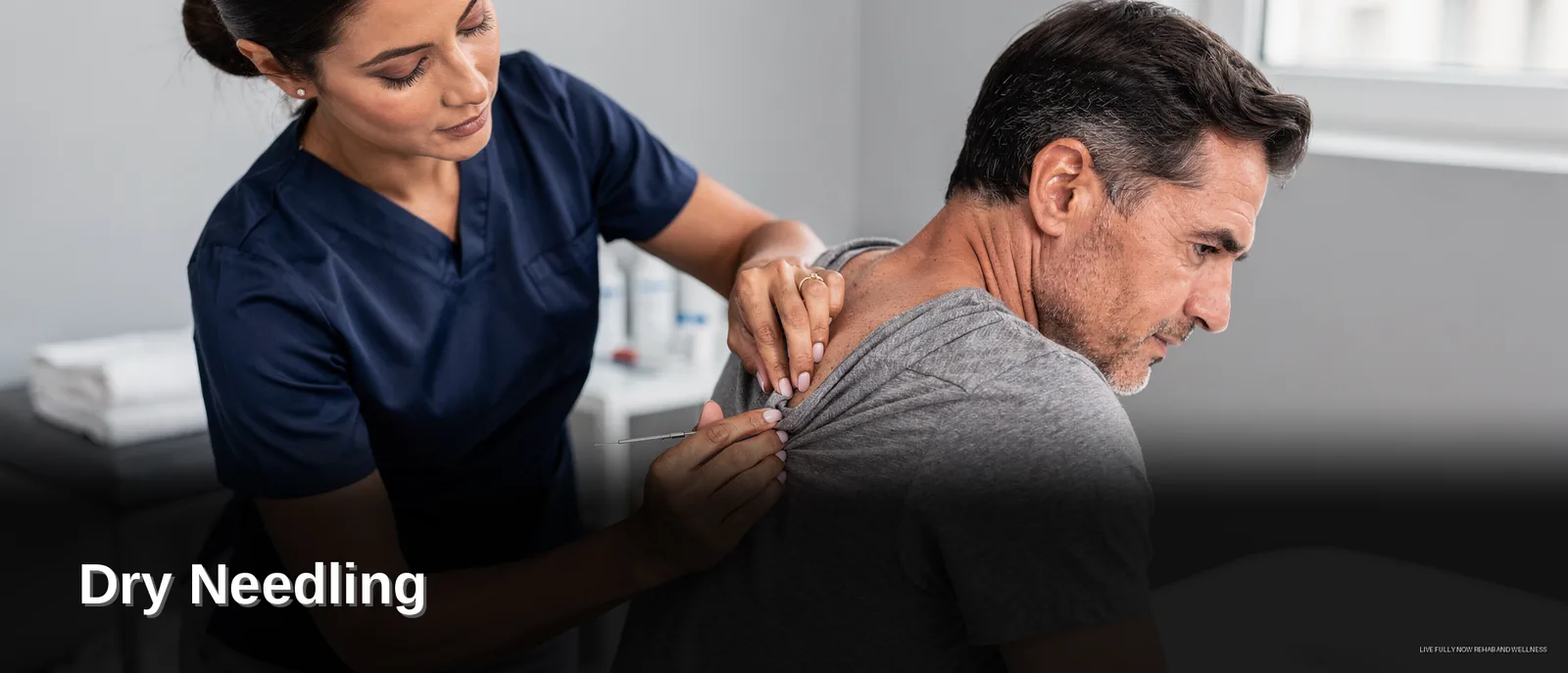
Dry needling is a physical-therapy technique that treats muscle tension by inserting thin, monofilament needles into myofascial trigger points—tight, irritable bands within a muscle. Live Fully Now Rehab And Wellness integrates dry needling into personalized rehabilitation programs alongside stretching, exercise, and manual therapy, targeting knotted tissue to release tightness and restore mobility.
What Is Dry Needling for Muscle Tension?
Dry needling is a technique that trained healthcare providers use to treat musculoskeletal pain. Movement issues by inserting thin, sterile needles directly into myofascial trigger points. These trigger points are knotted, tender areas that develop in muscles and often cause referred pain in other parts of the body. Without treatment, these tight bands of tissue restrict movement and prolong discomfort.
How Do Trigger Points Cause Pain?
Trigger points form when muscle fibers become stuck in a contracted state, creating a hyperirritable spot within a taut band of muscle. These spots are highly sensitive to touch. Can produce pain that radiates to distant areas, a phenomenon called referred pain. Active trigger points cause pain at rest, while latent ones only hurt when pressed.
What Role Does Dry Needling Play in a Treatment Plan?
The treatment is almost always part of a larger pain management plan that includes exercise, stretching, and massage. At LIVE FULLY NOW Rehab & Wellness, practitioners integrate dry needling with holistic therapies to support lasting recovery and improved mobility. This combined approach addresses both the immediate muscle tension and the underlying movement patterns that created it.
- Muscle relaxation — needling releases the taut band, reducing local and referred pain
- Improved range of motion — loosening trigger points allows fuller, pain-free movement
- Enhanced recovery — the microlesion stimulates blood flow and tissue repair
How Does Dry Needling Release Tight Muscles?
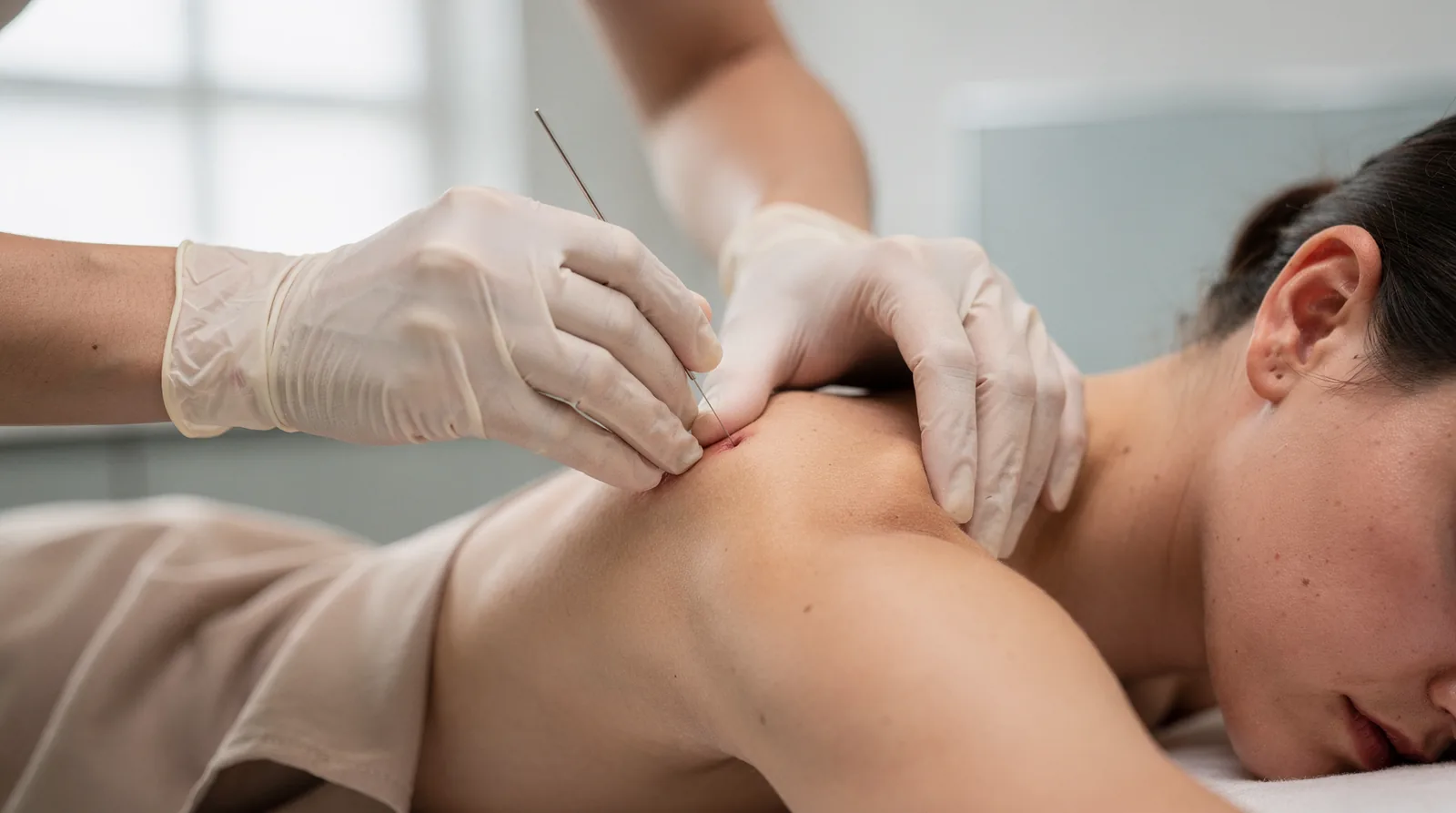
Dry needling releases tight muscles by inserting sterile filiform needles directly into painful, knotted muscle tissue. This targeted insertion causes the muscle to relax. Triggers the release of chemicals that support tissue healing and pain relief. The technique addresses the root cause of chronic tightness rather than just masking symptoms.
What Happens Inside the Muscle During Dry Needling?
The needle creates a microlesion — a tiny, controlled injury — inside the tight muscle band. This microlesion signals the body to send healing cells directly to the spot, reducing irritation and helping the muscle heal naturally. The process loosens the taut fibers that restrict movement and cause discomfort.
Why Do Trigger Points Form in the First Place?
Trigger points — those hyperirritable knots in muscle tissue — often emerge because of injury, overuse, or poor movement patterns. These trigger points disrupt normal muscle function, restrict range of motion, and cause persistent pain and tenderness. Without intervention, they reinforce themselves, creating a cycle of tightness and compensation.
- Needle insertion relaxes the contracted muscle band
- Microlesion formation triggers the body’s natural repair response
- Chemical release reduces local inflammation and pain signals
At LIVE FULLY NOW, professionals trained in Acupuncture, Physical Therapy, and Occupational Therapy apply dry needling as part of a comprehensive approach to muscle tension. This integrated skill set ensures each treatment targets the specific pattern of tightness affecting the client’s movement and comfort.
Is Dry Needling Right for Your Muscle Pain?
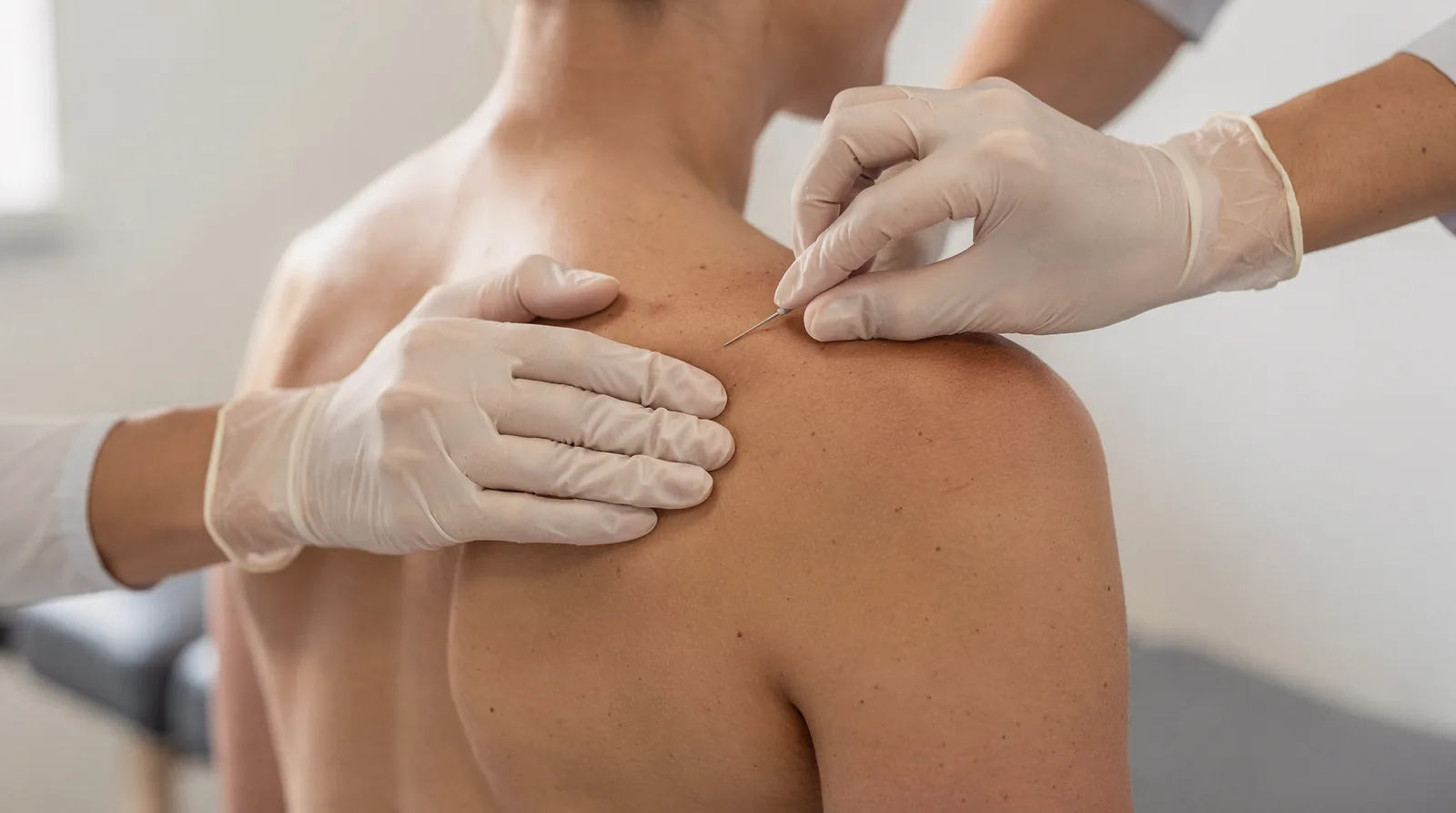
Dry needling is an accessible and commonly offered therapy for people with muscle, ligament, or tendon pain. This technique targets the specific trigger points causing persistent tightness and restricted movement. Without addressing these underlying knots, chronic muscle pain often worsens over time, limiting daily function and athletic performance.
How Do Professionals Determine Candidacy?
Physical therapists or licensed acupuncturists perform an in-depth evaluation to determine if dry needling is appropriate for a patient. At LIVE FULLY NOW, individualized treatment plans are crafted following thorough evaluations. This ensures that care is both safe and aligned with current clinical standards. The evaluation process examines:
- Pain location and intensity
- Movement patterns and range of motion
- Presence of myofascial trigger points
- Medical history and contraindications
What Conditions Respond Best to This Therapy?
The center’s holistic therapies support pain relief, mobility, nervous system regulation, and overall well-being. Dry needling works particularly well for:
| Condition | Typical Response |
|---|---|
| Chronic muscle tightness | Reduced tension within 24-48 hours |
| Athletic soreness | Faster recovery between training sessions |
| Myofascial pain syndrome | Decreased trigger point sensitivity |
Achieving comprehensive improvement in health requires matching the right therapy to the right problem. For individuals with active trigger points that refer pain to other body areas, dry needling often provides relief where stretching and massage fall short.
Dry needling offers a direct pathway to releasing muscle tension and restoring your body’s natural capacity for healing. By targeting trigger points with precision, this technique interrupts pain cycles and promotes lasting relief without relying on pharmaceuticals. Whether you’re managing chronic tension or recovering from injury, dry needling works alongside other therapeutic approaches to help you reclaim mobility and move through life with greater ease and confidence.
