
Introduction
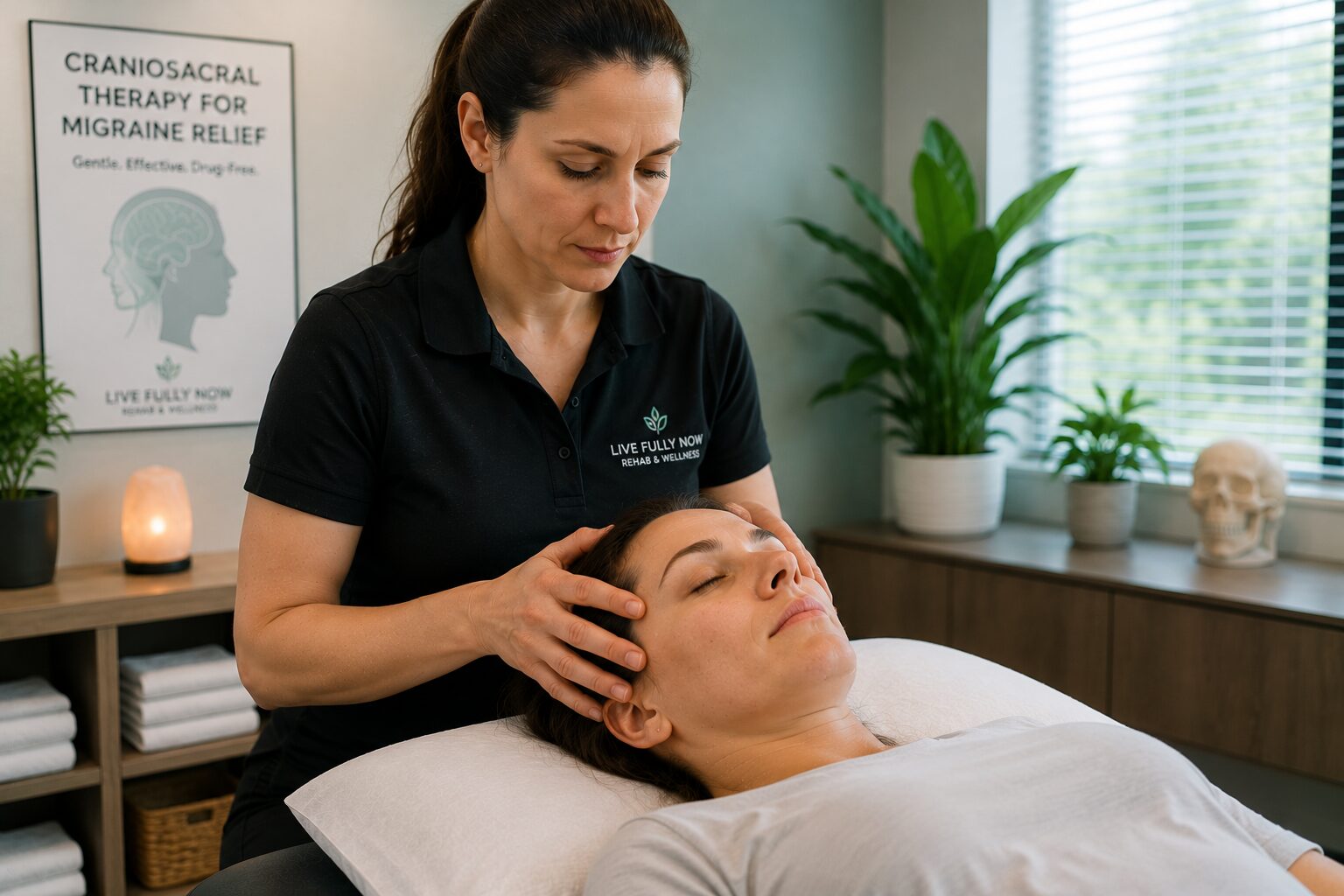
You wake up feeling perfectly fine. Then, sometime before lunch, a familiar pressure begins behind one eye. Within an hour, bright lights become difficult to tolerate. Everyday sounds seem louder than usual. Concentrating on work becomes almost impossible, and you’re already wondering whether you’ll have to cancel your plans for the evening.
For people who live with migraines, these experiences are often more than occasional inconveniences. They can interfere with careers, family responsibilities, exercise, social activities, and sleep. Many people spend as much energy worrying about the next migraine as they do recovering from the last one.
If you’ve been living with recurring migraines, you’ve probably explored a variety of treatment options. Some people respond well to medication. Others benefit from lifestyle changes, physical therapy, stress management, or nutritional modifications. Many continue searching for complementary therapies that may help reduce symptoms without relying solely on medication.
One treatment that has received growing attention is CranioSacral Therapy (CST).
Unlike treatments that involve forceful manipulation or vigorous massage, CranioSacral Therapy uses an extremely gentle hands-on approach designed to encourage relaxation, improve tissue mobility, and support healthy nervous system function.
At Live Fully Now Rehab & Wellness, patients from Hackettstown, NJ, and nearby communities including Long Valley, Chester, Washington, Mansfield, Independence Township, and Mount Olive often ask whether CranioSacral Therapy may help as part of their migraine management plan.
The answer depends on several factors, including your migraine history, symptom pattern, overall health, and whether treatment is combined with other evidence-informed rehabilitation strategies.
This guide explains what migraines are, how CranioSacral Therapy may support care, what happens during treatment, what current research suggests, and how CST fits into a comprehensive approach to migraine management.
Migraine Symptoms
Understanding Migraines
Migraines are not simply severe headaches.
They are complex neurological events involving changes in the brain, nervous system, pain-processing pathways, and sensory regulation.
Although head pain is the most recognizable symptom, migraines often affect the entire body.
Common symptoms include:
- Moderate to severe head pain
- Throbbing or pulsating discomfort
- Pain on one or both sides of the head
- Nausea
- Vomiting
- Sensitivity to light (photophobia)
- Sensitivity to sound (phonophobia)
- Sensitivity to smells
- Dizziness
- Fatigue
- Difficulty concentrating
- Neck pain or stiffness
Some individuals also experience an aura, which may involve temporary visual disturbances, tingling sensations, or difficulty speaking before the headache begins.
Because migraines vary significantly between individuals, successful treatment usually requires a personalized approach.
The Different Phases of a Migraine
Many people think migraines begin only when the headache starts.
In reality, a migraine often develops in stages.
1. Prodrome Phase
Hours or even a day or two before the headache begins, some people notice subtle warning signs such as:
- Fatigue
- Mood changes
- Frequent yawning
- Food cravings
- Neck stiffness
- Difficulty concentrating
These early symptoms may indicate that the nervous system has already begun changing.
2. Aura Phase
Not everyone experiences aura.
For those who do, symptoms may include:
- Flashing lights
- Blind spots
- Zigzag lines
- Tingling in the face or hands
- Temporary speech difficulty
Aura usually lasts less than an hour.
3. Headache Phase
This is the stage most people recognize.
Symptoms often include:
- Moderate to severe pain
- Throbbing sensations
- Light sensitivity
- Sound sensitivity
- Nausea
- Worsening discomfort during physical activity
Headaches may last anywhere from several hours to several days.
4. Recovery Phase
Even after the headache ends, many people continue feeling:
- Exhausted
- Mentally foggy
- Sensitive to light
- Mildly sore
- Less energetic
This “migraine hangover” can persist for another day or more.
Why Do Migraines Happen?
Researchers continue studying the exact causes of migraines.
Current evidence suggests they involve complex interactions between:
- The brain
- Peripheral nerves
- Blood vessels
- Pain-processing pathways
- Genetics
- Hormones
- Environmental triggers
Rather than resulting from one single cause, migraines typically develop because multiple factors interact at the same time.
Common Migraine Triggers
Many patients identify patterns that increase the likelihood of an attack.
Common triggers include:
| Trigger | How It May Contribute |
|---|---|
| Stress | Alters nervous system regulation |
| Poor sleep | Increases nervous system sensitivity |
| Hormonal changes | Influences migraine pathways |
| Dehydration | May contribute to attacks in susceptible individuals |
| Bright lights | Can overstimulate sensitive brain pathways |
| Strong odors | Trigger migraines in some people |
| Weather changes | Barometric pressure affects certain individuals |
| Skipping meals | Blood sugar fluctuations may contribute |
| Excessive screen time | Increases visual and neck strain |
Not every trigger affects every person.
Keeping a migraine diary often helps identify personal patterns.
The Role of the Nervous System
One of the biggest advances in migraine research is understanding how the nervous system processes pain.
Imagine the brain has its own internal sensitivity dial.
For people without migraines, that dial remains relatively stable.
For people with migraines, it may become much more sensitive.
Small changes that others barely notice such as missing lunch, sleeping poorly, or working under bright lights can sometimes trigger a migraine attack.
This heightened sensitivity explains why migraine management often focuses on calming the nervous system rather than treating pain alone.
Why Neck and Shoulder Tension Often Accompanies Migraines
Many migraine sufferers notice discomfort in the:
- Neck
- Upper shoulders
- Base of the skull
- Jaw
- Upper back
Researchers continue studying whether muscle tension contributes directly to migraines or develops as part of the body’s response to neurological changes.
Either way, persistent muscular tightness may increase discomfort during migraine episodes and reduce overall mobility.
Improving neck movement and reducing excessive muscle guarding often become important components of comprehensive migraine rehabilitation.
Migraine Symptoms That Require Immediate Medical Evaluation
Not every severe headache is a migraine.
Seek emergency medical attention if you experience:
- The worst headache of your life that develops suddenly
- Headache following significant head trauma
- Loss of consciousness
- New weakness or numbness
- Difficulty speaking
- Persistent vision loss
- Confusion
- Fever with severe headache and neck stiffness
- Seizures
- A dramatic change in your usual migraine pattern
These symptoms may indicate serious medical conditions that require immediate evaluation rather than conservative treatment.
Why Comprehensive Care Matters
Migraines rarely improve because of one treatment alone.
For many individuals, effective management involves combining several approaches, including:
- Medical evaluation
- Medication when appropriate
- Lifestyle modifications
- Stress management
- Physical therapy
- Exercise
- Sleep optimization
- CranioSacral Therapy when clinically appropriate
Rather than replacing medical care, CranioSacral Therapy may become one part of a broader rehabilitation strategy designed to improve quality of life and reduce the impact migraines have on everyday activities.
Treatment Process
If you’ve never experienced CranioSacral Therapy before, you may be surprised by how gentle the treatment feels.
Many people expect a therapy for migraines to involve firm massage, stretching, or spinal manipulation. CranioSacral Therapy is very different.
The treatment is designed to encourage relaxation and support healthy movement of tissues surrounding the head, neck, spine, and sacrum through precise, light-touch techniques.
Although researchers continue studying exactly how these techniques influence the body, many clinicians believe the therapy may help regulate the nervous system, reduce protective muscle guarding, and improve overall comfort for some patients.
Your Initial Evaluation
Every migraine is different.
Before treatment begins, your healthcare provider will complete a thorough evaluation to better understand your symptoms and determine whether CranioSacral Therapy is an appropriate part of your care.
Your evaluation may include questions about:
- How often migraines occur
- How long they last
- Common triggers
- Previous treatments
- Current medications
- Neck pain or stiffness
- Jaw discomfort
- Sleep quality
- Stress levels
- Daily activity limitations
- Previous injuries or surgeries
A physical examination may also assess:
- Neck mobility
- Shoulder movement
- Posture
- Jaw function
- Muscle tension
- Balance, when appropriate
- Breathing patterns
- Functional movement
This evaluation helps guide a personalized rehabilitation plan rather than using the same treatment approach for every patient.
What Happens During a CranioSacral Therapy Session?
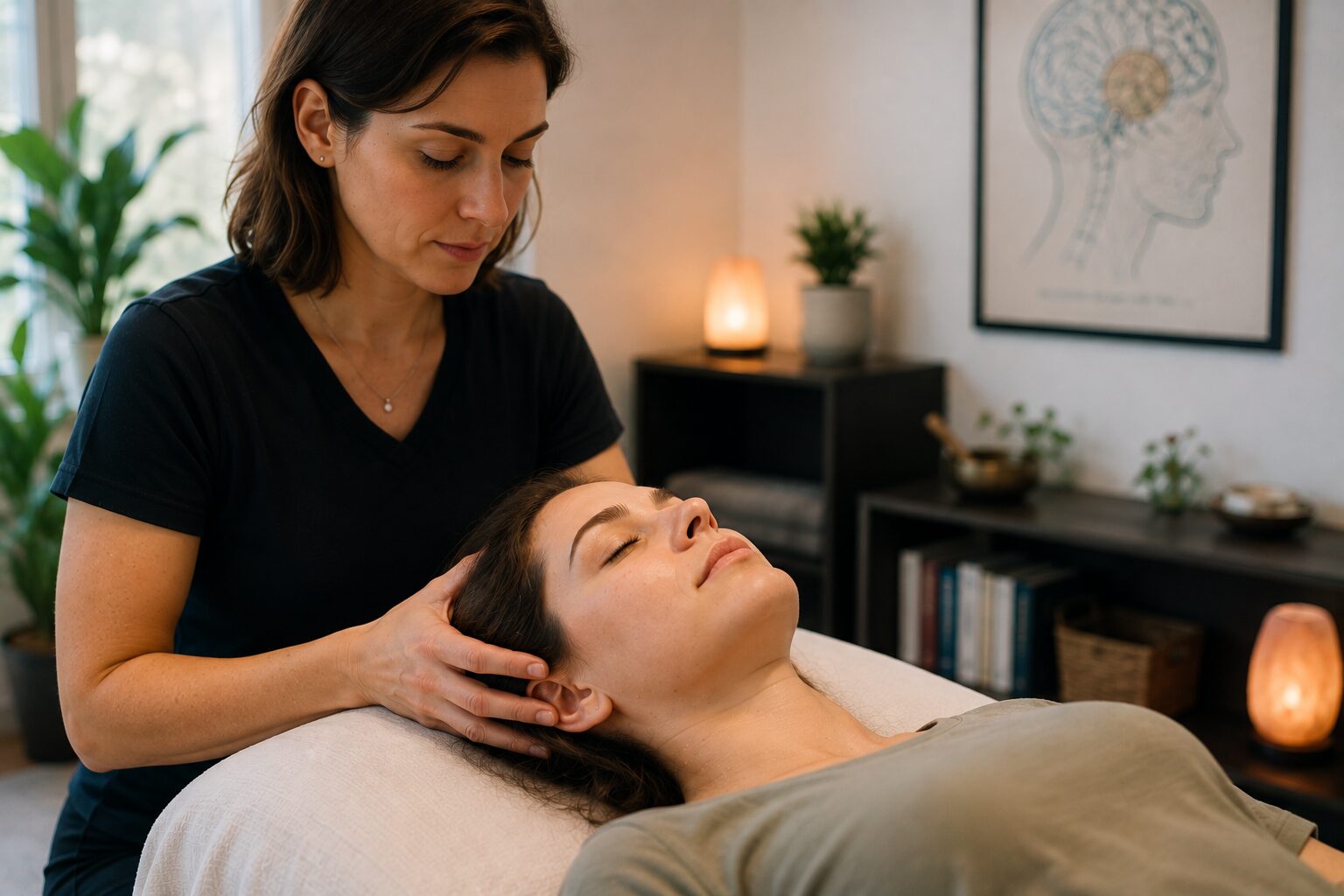
Unlike treatments that rely on forceful techniques, CranioSacral Therapy uses gentle hand placement to evaluate tissue mobility and areas of tension.
Depending on your symptoms, the therapist may place their hands on areas such as the:
- Head
- Neck
- Jaw
- Upper shoulders
- Spine
- Sacrum
- Pelvis
The amount of pressure used is typically very light.
Many patients describe the touch as similar to the weight of a few coins resting on the skin.
During treatment, your therapist continually assesses how your body responds rather than following a rigid routine.
This individualized approach recognizes that two people with migraines may have very different movement patterns, muscle tension, and contributing factors.
Does CranioSacral Therapy Hurt?
One of the most common concerns is whether treatment will be painful.
For most people, the answer is no.
Because CranioSacral Therapy uses gentle contact rather than deep pressure, patients often describe the experience as:
- Relaxing
- Calming
- Comfortable
- Gentle
- Restorative
Some individuals notice:
- Warmth
- Mild tingling
- A sensation of tissue releasing
- Slower breathing
- Deep relaxation
Others simply rest quietly throughout the session.
Many patients even fall asleep.
If any technique feels uncomfortable, the therapist can modify treatment immediately.
How Long Does a Session Last?
Appointments generally last between 45 and 60 minutes.
The first visit may take slightly longer because it includes:
- Medical history review
- Physical assessment
- Discussion of goals
- Initial treatment
- Home recommendations when appropriate
Subsequent visits focus on monitoring progress and adjusting treatment based on your response.
How CranioSacral Therapy May Influence Migraine Symptoms
Scientists continue studying the biological mechanisms behind CranioSacral Therapy.
Although many questions remain, several theories help explain why some patients experience improvement.
Supporting Nervous System Regulation
Migraines involve changes in how the nervous system processes sensory information.
Rather than responding only to significant stimuli, the nervous system may become unusually sensitive.
Imagine a smoke detector that begins sounding every time someone makes toast instead of only during a true fire.
That exaggerated sensitivity resembles what researchers believe occurs in many chronic pain conditions, including migraines.
One proposed benefit of CranioSacral Therapy is that it may encourage a shift toward a calmer nervous system by promoting parasympathetic (“rest-and-digest”) activity.
When the body spends more time in this restorative state, patients may experience:
- Reduced muscle guarding
- Easier breathing
- Improved relaxation
- Better sleep quality
- Lower perceived stress
These changes do not cure migraines, but they may help reduce some of the factors that contribute to symptom intensity.
Addressing Neck and Jaw Tension
Many migraine sufferers also develop increased tension in the:
- Suboccipital muscles (small muscles at the base of the skull)
- Upper trapezius
- Sternocleidomastoid muscles
- Jaw muscles
- Upper cervical fascia
Persistent tightness in these areas may contribute to reduced neck mobility and increased discomfort during migraine attacks.
Gentle manual therapy may help reduce protective muscle guarding and improve tissue mobility, making movement more comfortable for some individuals.
Encouraging Relaxation
Chronic migraines affect more than pain.
Many patients experience:
- Anxiety about future attacks
- Sleep disruption
- Fatigue
- Difficulty concentrating
- Reduced physical activity
Relaxation should not be viewed as “just feeling good.”
Relaxation produces measurable physiological changes, including slower breathing, reduced muscle tension, and healthier autonomic nervous system balance.
These changes may create an environment that supports overall recovery.
Expected Outcomes
One of the most important conversations during rehabilitation involves setting realistic expectations.
No healthcare provider can honestly promise that CranioSacral Therapy will eliminate migraines.
Instead, treatment goals usually focus on meaningful improvements in daily life.
Potential outcomes may include:
- Fewer migraine days
- Reduced headache intensity
- Improved neck mobility
- Less muscle tension
- Better sleep quality
- Improved ability to manage stress
- Increased participation in work, family, and recreational activities
- Greater tolerance for rehabilitation exercises
The degree of improvement varies from person to person.
What Does the Research Say?
Research investigating CranioSacral Therapy for migraines is growing, although it remains more limited than research on treatments such as medication, exercise, or acupuncture.
Some clinical studies suggest that CranioSacral Therapy may help reduce:
- Migraine frequency
- Headache intensity
- Pain-related disability
- Stress levels
- Neck discomfort
Other studies report improvements in overall quality of life and patient satisfaction.
However, researchers also note important limitations, including:
- Small study populations
- Differences in treatment techniques
- Variability in therapist training
- Limited long-term follow-up
- Differences in migraine diagnosis among participants
Because of these limitations, CranioSacral Therapy should be viewed as an evidence-informed complementary therapy rather than a stand-alone replacement for medical care.
Additional high-quality research will continue improving our understanding of who benefits most.
CranioSacral Therapy Compared With Other Conservative Treatments
Each conservative treatment addresses migraines differently.
| Treatment | Primary Goal | Strengths | Limitations |
|---|---|---|---|
| CranioSacral Therapy | Support nervous system regulation and gentle tissue mobility | Extremely gentle, relaxing, well tolerated by many patients | Research continues to evolve |
| Physical Therapy | Improve neck mobility, posture, strength, and movement | Addresses musculoskeletal contributors | Requires active participation |
| Therapeutic Exercise | Improve long-term movement and endurance | Strong evidence for many neck-related conditions | Benefits develop gradually |
| Massage Therapy | Reduce muscular tension | Helpful for muscle tightness | Does not directly address neurological migraine mechanisms |
| Medication | Prevent or reduce migraine attacks | Strong evidence for many patients | Potential side effects; requires medical management |
Rather than competing, these approaches often complement one another.
For example, a patient may receive medication prescribed by a neurologist, participate in physical therapy to improve neck mobility, practice stress-management techniques at home, and incorporate CranioSacral Therapy to support relaxation and nervous system regulation.
A Multidisciplinary Approach
Migraines are rarely caused by one factor alone.
Successful management often involves addressing multiple contributors simultaneously.
Depending on your symptoms, your rehabilitation team may include:
- Primary care providers
- Neurologists
- Physical therapists
- Occupational therapists
- Massage therapists
- Behavioral health professionals
- Pain specialists
CranioSacral Therapy can become one valuable component of this collaborative approach.
Instead of asking whether one treatment is better than another, many healthcare professionals focus on selecting the right combination of therapies for each individual.
That personalized strategy gives patients the greatest opportunity to improve function, reduce symptom burden, and regain confidence in daily life.
Frequently Asked Questions
1. Can CranioSacral Therapy help reduce migraines?
CranioSacral Therapy may help some people reduce the frequency or intensity of migraines when it is included as part of a comprehensive treatment plan. Current research suggests that some patients experience improvements in headache-related disability, neck tension, relaxation, and overall quality of life.
Results vary from person to person, and CST should not be viewed as a cure for migraines. The most appropriate treatment depends on your symptoms, medical history, and the factors contributing to your headaches.
2. How many CranioSacral Therapy sessions are usually recommended?
There is no standard number of treatments for everyone.
Some patients notice changes after a few sessions, while others with long-standing migraines may benefit from a longer course of care.
A treatment plan often depends on:
- How frequently migraines occur
- How long symptoms have been present
- Your response to treatment
- Other therapies included in your rehabilitation program
- Your personal goals
Your therapist should regularly reassess your progress and modify recommendations as needed.
3. Does CranioSacral Therapy hurt?
Most people describe CranioSacral Therapy as one of the gentlest forms of manual therapy.
The therapist uses very light touch rather than forceful pressure.
Patients commonly report feeling:
- Relaxed
- Comfortable
- Calm
- Warmth in treated areas
- Reduced muscle tension
If anything feels uncomfortable, your therapist can immediately adjust the treatment.
4. Can CranioSacral Therapy replace migraine medication?
Generally, no.
Medication decisions should always be made with the healthcare provider managing your migraine care.
CranioSacral Therapy may complement medical treatment, but it should not replace prescribed medications without professional guidance.
Many patients receive the greatest benefit when CST is combined with appropriate medical care, healthy lifestyle habits, and rehabilitation.
5. Is CranioSacral Therapy safe?
When performed by a qualified healthcare professional, CranioSacral Therapy is generally considered a gentle, low-risk treatment.
Before beginning care, your provider will review your:
- Medical history
- Current symptoms
- Previous injuries
- Medications
- Other health conditions
This evaluation helps determine whether CST is appropriate for your situation.
6. Who may benefit from CranioSacral Therapy for migraines?
People who may benefit include those experiencing:
- Recurring migraines
- Neck tightness associated with headaches
- Stress-related muscle tension
- Difficulty relaxing during migraine flare-ups
- Persistent headaches affecting daily activities
- Migraine-related movement limitations
Every patient is different, so treatment recommendations should always be individualized.
7. Who should avoid CranioSacral Therapy?
Although CST is very gentle, some situations require medical evaluation before manual therapy is considered.
Your provider may postpone or modify treatment if you have:
- A recent head injury that has not been evaluated
- Suspected skull fracture
- Active infection affecting the brain or spinal cord
- Acute bleeding within the skull
- Severe or rapidly progressing neurological symptoms
- Other unstable medical conditions
Safety always comes first.
8. Can CranioSacral Therapy be combined with physical therapy?
Yes.
Many rehabilitation clinics combine CranioSacral Therapy with:
- Physical therapy
- Therapeutic exercise
- Manual therapy
- Postural training
- Breathing exercises
- Stress-management strategies
- Home exercise programs
These therapies address different aspects of migraine management and often work well together.
9. How long does each treatment session last?
Most appointments last approximately 45 to 60 minutes.
Your first visit may take longer because it includes a comprehensive evaluation, discussion of your migraine history, and development of an individualized treatment plan.
10. Can stress make migraines worse?
Yes.
Stress is one of the most commonly reported migraine triggers.
Stress does not directly cause every migraine, but it can increase nervous system sensitivity, muscle tension, poor sleep, and fatigue.
Learning strategies to better regulate stress including exercise, breathing techniques, healthy sleep habits, and relaxation therapies may help reduce migraine burden for some individuals.
11. When should I seek immediate medical attention for a headache?
Seek emergency medical care if you experience:
- A sudden, severe headache unlike any you’ve had before
- Headache following significant head trauma
- New weakness or numbness
- Difficulty speaking
- Persistent vision changes
- Confusion
- Fever with severe headache and neck stiffness
- Seizures
- Loss of consciousness
- A sudden major change in your usual migraine symptoms
These symptoms may indicate a condition requiring urgent medical evaluation rather than conservative treatment.
12. What can I do at home to support migraine management?
Daily habits often play an important role in reducing migraine triggers.
Helpful strategies may include:
- Maintaining a regular sleep schedule
- Staying hydrated
- Eating balanced meals consistently
- Managing stress
- Limiting prolonged screen time when appropriate
- Performing prescribed neck mobility exercises
- Practicing good posture
- Tracking migraine triggers in a headache diary
These strategies may complement treatments such as CranioSacral Therapy and contribute to long-term migraine management.
