
Introduction
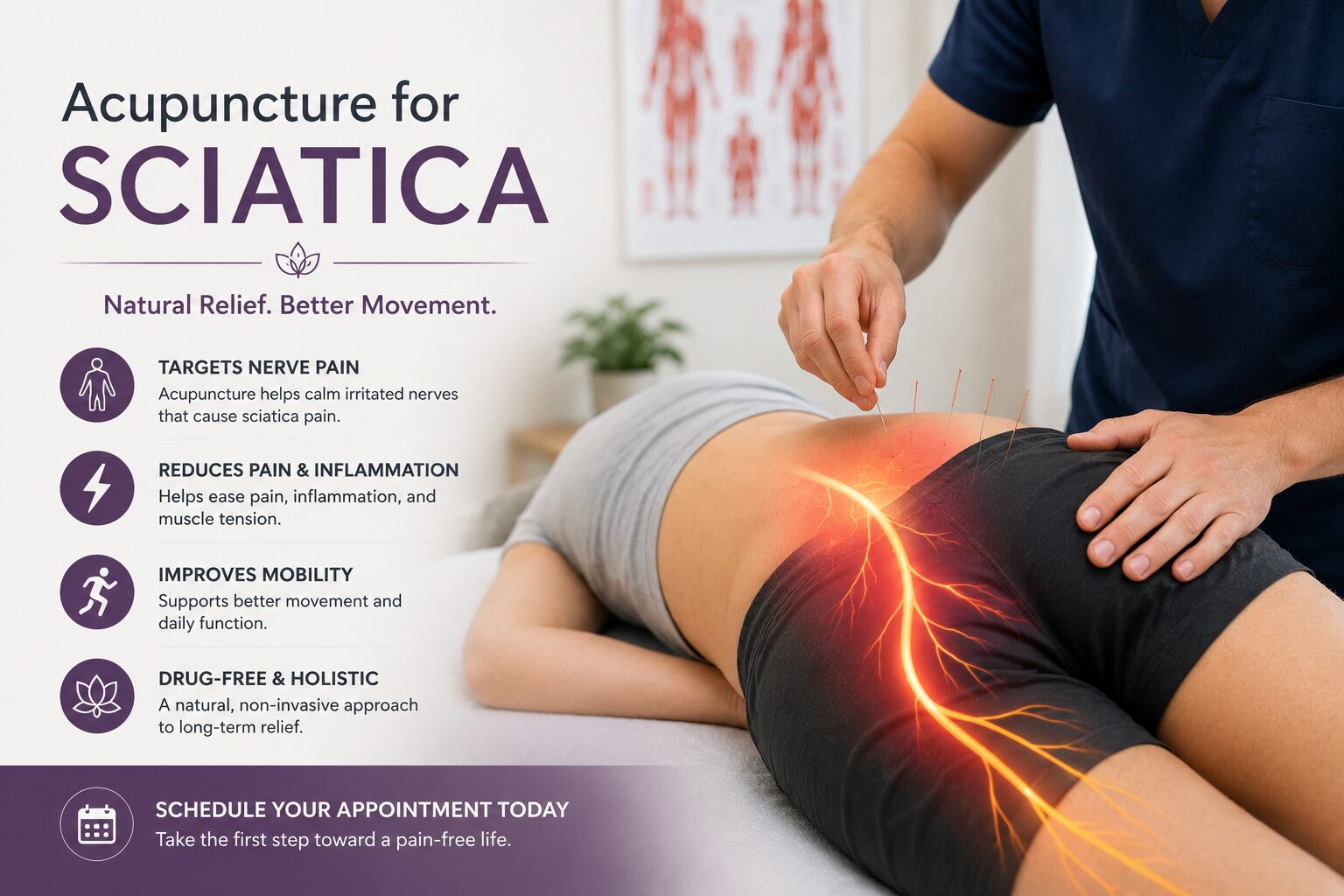
You stand up after getting out of the car, expecting the familiar ache in your lower back. Instead, a sharp pain shoots down the back of your leg. Walking into the grocery store becomes a slow, cautious process. Sitting for too long makes it worse. Sleeping comfortably seems almost impossible. You begin avoiding activities you once enjoyed because you’re never sure when the pain will flare again.
If this sounds familiar, you may be dealing with sciatica.
Many people who experience sciatica try stretching, over-the-counter pain relievers, massage, or physical therapy before considering acupuncture. Others discover acupuncture after months of persistent symptoms that interfere with work, exercise, family activities, and everyday life.
Acupuncture has been used for thousands of years and is increasingly incorporated into modern rehabilitation programs for managing musculoskeletal pain. While it is not a cure for sciatica, growing research suggests it may help reduce pain, improve mobility, calm an irritated nervous system, and support recovery when combined with an individualized treatment plan.
At Live Fully Now Rehab & Wellness, patients throughout Hackettstown, NJ, as well as nearby communities including Long Valley, Chester, Washington, Mansfield, Independence Township, and Mount Olive often ask whether acupuncture could help them avoid more invasive treatments. The answer depends on the cause of the sciatic pain, the severity of symptoms, overall health, and whether acupuncture is integrated into a comprehensive rehabilitation approach.
This guide explains what sciatica is, how acupuncture may help, what treatment feels like, realistic expectations, and when medical evaluation should come first.
Understanding Sciatica
Sciatica is not actually a diagnosis by itself. Instead, it describes pain that follows the path of the sciatic nerve, the largest nerve in the body.
The sciatic nerve begins in the lower spine, travels through the buttock, and continues down the back of each leg to the foot.
When this nerve becomes irritated, inflamed, or compressed, pain may travel along its entire pathway.
Many people describe sciatica as:
- Sharp or shooting pain
- Burning discomfort
- Tingling
- Pins and needles
- Numbness
- Muscle weakness
- Electric shock sensations
Some people experience only occasional discomfort, while others find it difficult to sit, stand, walk, or sleep.
Common Causes of Sciatica
Sciatica can develop for several reasons. Identifying the underlying cause helps determine the most appropriate treatment.
| Cause | What Happens | Common Symptoms |
|---|---|---|
| Herniated disc | Disc material presses on a nerve root | Pain down one leg, numbness, weakness |
| Spinal stenosis | Narrowing around spinal nerves | Leg pain during walking or standing |
| Piriformis syndrome | Tight muscle irritates sciatic nerve | Buttock pain with leg symptoms |
| Degenerative disc disease | Age-related spinal changes | Chronic lower back stiffness with leg pain |
| Spondylolisthesis | One vertebra slips forward | Back pain, leg pain, instability |
Not every case of leg pain is sciatica. Hip arthritis, vascular conditions, peripheral neuropathy, and other disorders can produce similar symptoms. A thorough evaluation helps distinguish these conditions.
Acute vs. Chronic Sciatica
Acute sciatica usually develops suddenly, often after lifting something heavy, twisting awkwardly, or following an injury. Symptoms often improve within several weeks with conservative care.
Chronic sciatica persists for months or repeatedly returns. Over time, the nervous system can become more sensitive, making pain continue even after the original tissue irritation has improved.
This increased sensitivity is one reason treatments that influence the nervous system including acupuncture, may become part of a comprehensive rehabilitation strategy.
Why Does Sciatica Hurt So Much?
The sciatic nerve is responsible for carrying signals between the lower body and the brain.
When the nerve becomes irritated, it can send exaggerated pain signals even during normal movement.
Inflammation surrounding the nerve can further increase sensitivity.
Muscles surrounding the lower back, hips, pelvis, and legs often tighten as a protective response. Although this muscle guarding is intended to protect injured tissues, prolonged tension can create additional pain and stiffness.
This combination of nerve irritation, inflammation, muscle tightness, and altered movement patterns explains why sciatica often feels more complicated than a simple muscle strain.
Different Types of Pain People Experience
Not everyone experiences sciatica the same way.
Nerve Pain
Typically described as:
- Burning
- Electric
- Shooting
- Tingling
- Numbness
Muscle Pain
Often feels like:
- Tightness
- Cramping
- Deep aching
- Fatigue
Joint Pain
Pain originating from spinal joints may feel localized near the lower back and become worse with certain movements.
Referred Pain
Sometimes tissues such as muscles or joints create pain that spreads into the leg without directly compressing the sciatic nerve.
Determining the source of symptoms is one reason a comprehensive physical examination is so valuable before beginning treatment.
When Sciatica Requires Immediate Medical Attention
Most cases of sciatica are not emergencies.
However, certain symptoms require prompt medical evaluation.
Seek immediate medical care if you experience:
- Loss of bowel or bladder control
- Sudden inability to move the foot or leg
- Severe weakness that rapidly worsens
- Numbness around the groin or saddle area
- Significant trauma followed by leg weakness
- Fever with severe back pain
- Unexplained weight loss with persistent pain
- History of cancer with new severe back pain
These symptoms may indicate more serious conditions requiring urgent treatment.
How Acupuncture Supports Recovery
What Is Acupuncture?
Acupuncture involves inserting extremely thin, sterile needles into specific points on the body. Modern medical research suggests that these points often correspond with areas rich in nerves, connective tissue, and blood vessels.
While acupuncture originated within Traditional Chinese Medicine, today’s rehabilitation clinics often integrate it with evidence-based musculoskeletal care.
Rather than viewing acupuncture as an isolated treatment, many rehabilitation professionals consider it one tool that may complement exercise therapy, movement retraining, education, and lifestyle modifications.
How Acupuncture May Help Sciatica
Acupuncture does not “push the nerve back into place” or repair a herniated disc.
Instead, several physiological mechanisms may help explain why some patients experience relief.
1. Modulating Pain Signals
One of acupuncture’s best-studied effects involves the nervous system.
Needle stimulation activates sensory nerves that communicate with the spinal cord and brain. This process can influence how pain signals are processed, reducing the intensity of discomfort for some individuals.
Researchers have observed increased release of natural pain-relieving chemicals, including endorphins and enkephalins, following acupuncture treatment.
These naturally occurring substances function as the body’s own pain modulators.
2. Reducing Muscle Guarding
When the sciatic nerve is irritated, surrounding muscles often become tight.
This includes muscles in the:
- Lower back
- Buttocks
- Hips
- Hamstrings
- Calves
Persistent muscle guarding can create a cycle where pain leads to tension, and tension contributes to additional pain.
Acupuncture may help relax these muscles by influencing local nerve activity and reducing excessive muscle contraction.
Patients frequently report feeling less stiff and moving more comfortably after treatment.
3. Improving Blood Flow
Healthy circulation delivers oxygen and nutrients needed for tissue recovery.
Some studies suggest acupuncture increases local blood flow around treated tissues.
Improved circulation may support healing processes and reduce accumulation of inflammatory chemicals associated with pain.
4. Influencing Connective Tissue
Connective tissue, including fascia, surrounds muscles, nerves, and organs throughout the body.
Fascial restrictions may contribute to movement limitations and discomfort.
Needle insertion creates subtle mechanical stimulation within connective tissue that may influence cellular activity, tissue mobility, and communication between tissues.
Although research continues to evolve, this represents another possible mechanism through which acupuncture supports rehabilitation.
5. Calming an Overactive Nervous System
Chronic pain affects more than injured tissues.
Over time, the nervous system itself can become increasingly reactive.
Imagine a smoke detector that begins sounding whenever someone burns toast instead of only responding to a real fire.
That is similar to what happens in chronic pain.
The nervous system becomes overly sensitive.
Acupuncture may help reduce this heightened sensitivity by encouraging the body to shift toward a more balanced state between the sympathetic (“fight or flight”) and parasympathetic (“rest and recover”) nervous systems.
Many patients report not only less pain but also improved sleep, reduced stress, and a greater sense of relaxation following treatment.
These changes may indirectly support recovery because better sleep and lower stress improve the body’s ability to heal.
What Does the Research Say?
Acupuncture has been extensively studied for low back pain and sciatica, although researchers continue to investigate which patients benefit the most and why.
Current evidence suggests acupuncture may help reduce pain and improve function for some people with sciatica, particularly when combined with an active rehabilitation program. Several systematic reviews have found that patients receiving acupuncture often report improvements in pain intensity, walking tolerance, and overall quality of life compared with no treatment or usual care alone.
It’s also important to recognize the limitations of the research.
Not every study shows the same level of improvement. Differences in treatment techniques, the number of sessions, patient characteristics, and the underlying cause of sciatica can all influence outcomes. Because of this, acupuncture should not be viewed as a guaranteed solution. Instead, it can be considered one component of a personalized treatment plan.
For many patients, the goal is not simply reducing pain for a few hours. The larger goal is helping them move more comfortably, participate in rehabilitation exercises, sleep better, and gradually return to the activities they value.
Acupuncture Is Most Effective as Part of a Comprehensive Plan
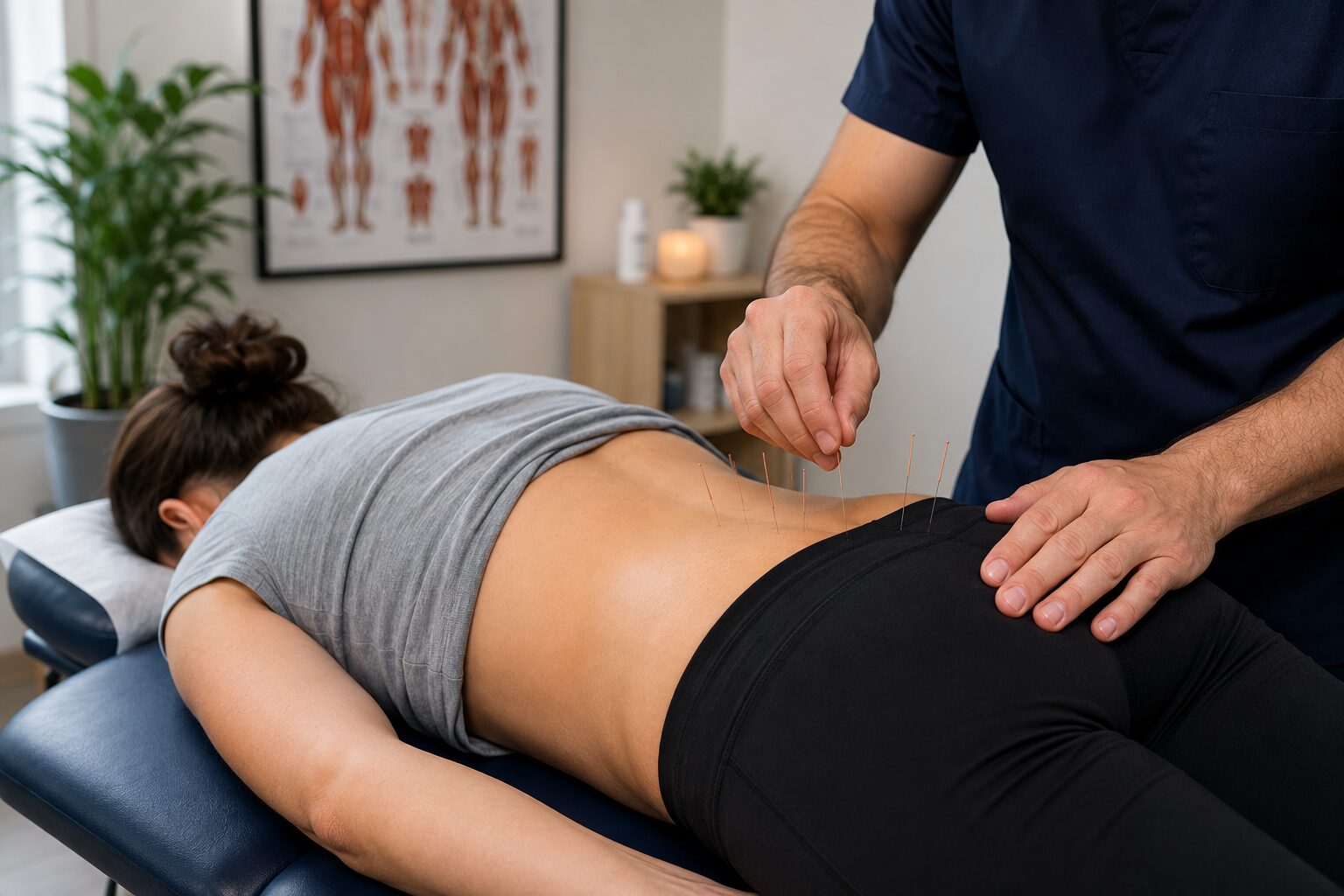
One of the biggest misconceptions is that acupuncture alone will “fix” sciatica.
Pain often develops because several factors are interacting at the same time:
- Nerve irritation
- Muscle weakness
- Poor movement mechanics
- Joint stiffness
- Reduced flexibility
- Persistent inflammation
- Heightened nervous system sensitivity
Addressing only one of these factors may provide temporary relief, but lasting improvement often requires a broader approach.
A rehabilitation plan may include:
- Acupuncture
- Physical therapy
- Therapeutic exercise
- Stretching
- Manual therapy
- Postural education
- Core strengthening
- Balance training
- Ergonomic recommendations
- Activity modification
Rather than competing with one another, these treatments often complement each other.
What Happens During an Acupuncture Visit?
Many people are interested in acupuncture but hesitate because they don’t know what to expect.
Understanding the process can ease anxiety before the first appointment.
Initial Evaluation
The first visit usually begins with a detailed discussion about your symptoms.
Your provider may ask questions such as:
- Where exactly is the pain?
- Does it travel below the knee?
- What activities make it worse?
- What relieves it?
- When did it begin?
- Have you noticed numbness or weakness?
- Have you had previous injuries or surgeries?
A physical examination may include evaluating:
- Walking pattern
- Posture
- Spinal mobility
- Hip mobility
- Muscle strength
- Reflexes
- Sensation
- Balance
- Flexibility
This evaluation helps determine whether acupuncture is appropriate and whether additional medical evaluation may be needed.
Needle Placement
Many people are surprised that needles are not always placed directly where the pain occurs.
Depending on your symptoms, acupuncture points may be selected around the:
- Lower back
- Buttocks
- Hip
- Leg
- Ankle
- Foot
- Arms or hands
The exact selection depends on your examination findings and overall treatment goals.
Does Acupuncture Hurt?
This is one of the most common questions patients ask.
The needles used for acupuncture are extremely thin, much thinner than the needles used for injections or blood draws.
Many patients feel little more than:
- A brief pinch
- Mild pressure
- Warmth
- Tingling
- A dull aching sensation
Some needles are barely felt at all.
Once the needles are in place, many patients become so relaxed that they fall asleep during treatment.
If a needle causes significant discomfort, your provider can adjust or remove it.
How Long Does a Session Last?
A typical appointment lasts between 30 and 60 minutes, depending on your treatment plan.
The needles often remain in place for approximately 15 to 30 minutes while you rest comfortably.
Some clinics combine acupuncture with other therapies during the same visit, such as stretching, manual therapy, electrical stimulation, or corrective exercises.
Who May Benefit from Acupuncture for Sciatica?
Acupuncture may be appropriate for many adults experiencing sciatica, particularly when symptoms are affecting daily activities despite conservative self-care.
People who may benefit include those who:
- Have persistent pain lasting several weeks or longer
- Want to reduce reliance on pain medication when appropriate
- Experience muscle tightness contributing to symptoms
- Have difficulty participating in rehabilitation because of pain
- Prefer a conservative, non-surgical treatment option
- Are recovering after an acute flare-up
- Need additional pain management while participating in physical therapy
Some patients seek acupuncture after trying several other treatments without satisfactory relief.
Others choose to begin acupuncture early as part of a multidisciplinary approach to help prevent symptoms from becoming chronic.
Every person’s situation is different. A thorough evaluation helps determine whether acupuncture is likely to be appropriate for your condition.
Who Should Avoid or Delay Acupuncture?
Although acupuncture is considered safe when performed by a qualified provider using sterile, single-use needles, it is not appropriate for everyone.
Your provider may recommend delaying or modifying treatment if you:
- Have an active skin infection near the treatment area
- Have uncontrolled bleeding disorders
- Take certain blood-thinning medications that increase bleeding risk
- Have severe medical instability
- Are experiencing unexplained neurological symptoms requiring immediate evaluation
Pregnancy does not necessarily prevent acupuncture, but certain acupuncture points may be avoided. Always inform your provider if you are pregnant or think you may be pregnant.
Open communication about your medical history helps ensure treatment is as safe as possible.
Acupuncture Compared with Other Conservative Treatments
Many patients wonder whether acupuncture is “better” than physical therapy, massage, chiropractic care, or medication.
The reality is that these treatments serve different purposes.
| Treatment | Primary Goal | Advantages | Limitations |
|---|---|---|---|
| Acupuncture | Modulate pain, reduce muscle tension, support nervous system regulation | Minimally invasive, may improve pain and relaxation | Usually requires multiple visits |
| Physical Therapy | Restore movement, strength, flexibility, and function | Addresses underlying movement problems | Requires active participation |
| Massage Therapy | Reduce muscle tension and improve relaxation | Can relieve tight muscles | Does not directly address nerve compression |
| Exercise Therapy | Improve long-term spinal health | Strong evidence for preventing recurrence | May be difficult during severe pain flares |
| Medication | Reduce pain or inflammation | May provide temporary relief | Potential side effects and does not address movement dysfunction |
Rather than choosing one treatment over another, many patients experience the greatest improvement when therapies are thoughtfully combined.
For example, acupuncture may decrease pain enough that a patient can participate more effectively in strengthening exercises prescribed during physical therapy.
That combination can create meaningful progress over time.
Can Acupuncture Replace Physical Therapy?
In most situations, no.
Acupuncture and physical therapy address different aspects of recovery.
Acupuncture may help reduce pain, muscle guarding, and nervous system sensitivity.
Physical therapy focuses on improving:
- Strength
- Flexibility
- Coordination
- Balance
- Movement mechanics
- Endurance
- Functional mobility
Imagine trying to fix a car with only one tool.
A wrench is useful, but it cannot replace every other tool in the toolbox.
Similarly, acupuncture is one valuable treatment, but lasting recovery often requires restoring how the body moves.
Patients with recurring sciatica frequently benefit from learning:
- Proper lifting mechanics
- Core stabilization exercises
- Hip mobility drills
- Walking progression
- Stretching strategies
- Home exercise routines
These interventions help reduce the likelihood of future flare-ups.
Lifestyle Habits That Support Recovery
Treatment doesn’t end when you leave the clinic.
Daily habits often have a significant influence on recovery.
Patients recovering from sciatica may benefit from:
Staying Active
Extended bed rest is rarely recommended.
Gentle movement often helps reduce stiffness and maintain circulation.
Walking, when tolerated, can be particularly beneficial.
Changing Positions Frequently
Sitting for prolonged periods may increase pressure around irritated nerves.
Standing up every 30 to 60 minutes can reduce prolonged stress on the lower back.
Improving Sleep Position
Some patients feel more comfortable:
- Sleeping on their side with a pillow between the knees
- Sleeping on their back with a pillow beneath the knees
These positions may reduce stress on the lumbar spine.
Building Core Strength
The muscles surrounding the abdomen, pelvis, and lower back help stabilize the spine.
Progressive strengthening under professional guidance may reduce future episodes of back and leg pain.
Managing Stress
Stress does not cause sciatica, but it can increase muscle tension and amplify pain perception.
Mindfulness, breathing exercises, adequate sleep, and regular physical activity all contribute to healthier nervous system regulation.
Treatment Timeline
One of the first questions patients ask is, “How many acupuncture sessions will I need?”
The honest answer is that it depends.
Every case of sciatica is different. The cause of the nerve irritation, how long symptoms have been present, your overall health, activity level, and response to treatment all influence the timeline.
Many providers recommend beginning with a short series of visits before reassessing progress.
| Stage | What You May Notice |
|---|---|
| Visit 1 | Evaluation, initial treatment, discussion of goals and home recommendations |
| Visits 2–4 | Some patients notice temporary pain reduction, improved relaxation, or easier movement |
| Visits 5–8 | Functional improvements may become more noticeable, especially when combined with exercise |
| Ongoing Care | Treatment frequency is adjusted based on symptoms, progress, and long-term goals |
Some people experience meaningful improvement after only a few visits, while others with long-standing or complex symptoms require a longer course of care.
It is also common for symptoms to fluctuate during recovery. A temporary increase in soreness after treatment can occur for some individuals, although it is generally mild and short-lived.
The focus should always be on gradual improvements in function not just temporary pain relief.
FAQs
1. Does acupuncture actually work for sciatica?
Research suggests acupuncture may help reduce pain and improve function for some individuals with sciatica, particularly when it is included as part of a comprehensive rehabilitation program. The degree of improvement varies from person to person and depends on factors such as the underlying cause of the sciatic nerve irritation, how long symptoms have been present, and whether strengthening and movement retraining are also part of treatment.
Rather than asking whether acupuncture “works” for everyone, a better question is whether it may be appropriate for your specific condition. A thorough evaluation helps answer that question.
2. How quickly can acupuncture relieve sciatic pain?
Some patients notice changes after their first treatment, such as reduced muscle tension, easier movement, or temporary pain relief. Others experience gradual improvements over several weeks.
People with recent-onset sciatica may respond differently than those who have lived with symptoms for many months or years.
Recovery should be measured by improvements in daily function, including walking farther, sitting more comfortably, sleeping better, or returning to work and hobbies not just changes in pain scores.
3. How long do the effects of acupuncture last?
The duration varies.
Some people feel relief for several hours after treatment, while others experience benefits lasting days or longer.
As treatment progresses and rehabilitation exercises address the underlying movement issues, improvements may become more consistent.
Maintenance visits are appropriate for some individuals with recurring conditions, while others no longer require treatment once symptoms have resolved.
4. Is acupuncture safe?
When performed by a licensed and appropriately trained provider using sterile, single-use needles, acupuncture is generally considered very safe.
Minor side effects may include:
- Mild soreness
- Temporary bruising
- Small amounts of bleeding at a needle site
- Fatigue after treatment
Serious complications are rare when acupuncture is provided by qualified healthcare professionals following appropriate safety standards.
Always inform your provider about medical conditions, medications, allergies, pregnancy, or implanted medical devices before beginning treatment.
5. Can acupuncture help if I have a herniated disc?
A herniated disc is one of the most common causes of sciatica.
Acupuncture does not repair or reposition the damaged disc itself. However, it may help reduce pain, decrease muscle guarding, and improve tolerance for rehabilitation exercises while the body heals.
Treatment plans for disc-related sciatica often include education, activity modification, therapeutic exercise, and monitoring for neurological changes.
6. Should I stop exercising while receiving acupuncture?
In most cases, no.
Unless your healthcare provider advises otherwise, remaining appropriately active is usually encouraged.
Gentle walking, stretching, and prescribed rehabilitation exercises often complement acupuncture and support recovery.
High-impact activities or movements that significantly worsen symptoms may need to be modified temporarily.
7. Can acupuncture prevent future episodes of sciatica?
Acupuncture may help manage pain and reduce muscle tension, but preventing recurrence usually involves addressing the factors that contributed to the problem in the first place.
Long-term prevention often includes:
- Improving core strength
- Maintaining hip flexibility
- Practicing proper lifting techniques
- Staying physically active
- Avoiding prolonged sitting when possible
- Maintaining a healthy body weight
- Following an individualized home exercise program
These lifestyle habits can help reduce stress on the spine and improve overall movement quality.
8. Is acupuncture covered by insurance?
Insurance coverage varies depending on your health plan, diagnosis, and provider network.
Some insurance plans cover acupuncture for certain pain conditions, while others do not.
If you are considering treatment, contact your insurance company or speak with the clinic to verify your specific benefits before beginning care.
9. Can older adults receive acupuncture?
Many older adults safely receive acupuncture for musculoskeletal pain, including sciatica.
Age alone is not a reason to avoid treatment.
Your provider will consider factors such as bone health, medications (particularly blood thinners), circulation, and any chronic medical conditions before recommending care.
A personalized treatment approach helps ensure the safest and most appropriate plan.
10. What if acupuncture doesn’t help?
Not every treatment works for every person.
If acupuncture does not provide meaningful improvement after an appropriate trial, your rehabilitation team may recommend adjusting the treatment plan.
This could include:
- Additional physical therapy
- Imaging if clinically indicated
- Referral to another healthcare specialist
- Alternative conservative treatments
- Further medical evaluation to confirm the diagnosis
Persistent symptoms deserve continued investigation rather than simply accepting ongoing pain.
11. When should I see a healthcare provider instead of trying to manage sciatica at home?
While mild symptoms sometimes improve with conservative care, you should schedule a medical evaluation if:
- Pain persists beyond several weeks.
- Symptoms interfere with work or daily activities.
- Numbness or tingling becomes more frequent.
- Walking becomes increasingly difficult.
- Leg weakness develops.
- Pain continues to worsen despite home care.
Early evaluation can help identify the underlying cause and guide the most appropriate treatment plan before symptoms become chronic.
12. Can acupuncture be combined with other treatments at Live Fully Now Rehab & Wellness?
Yes. At Live Fully Now Rehab & Wellness, acupuncture is viewed as one part of a personalized rehabilitation program rather than a stand-alone solution.
Depending on your needs, your care plan may also include:
- Physical therapy
- Therapeutic exercise
- Manual therapy
- Soft tissue mobilization
- Postural correction
- Balance and gait training
- Functional movement assessment
- Home exercise instruction
- Patient education
By combining therapies that address both pain and movement, many patients are better able to return to the activities that matter most to them.
