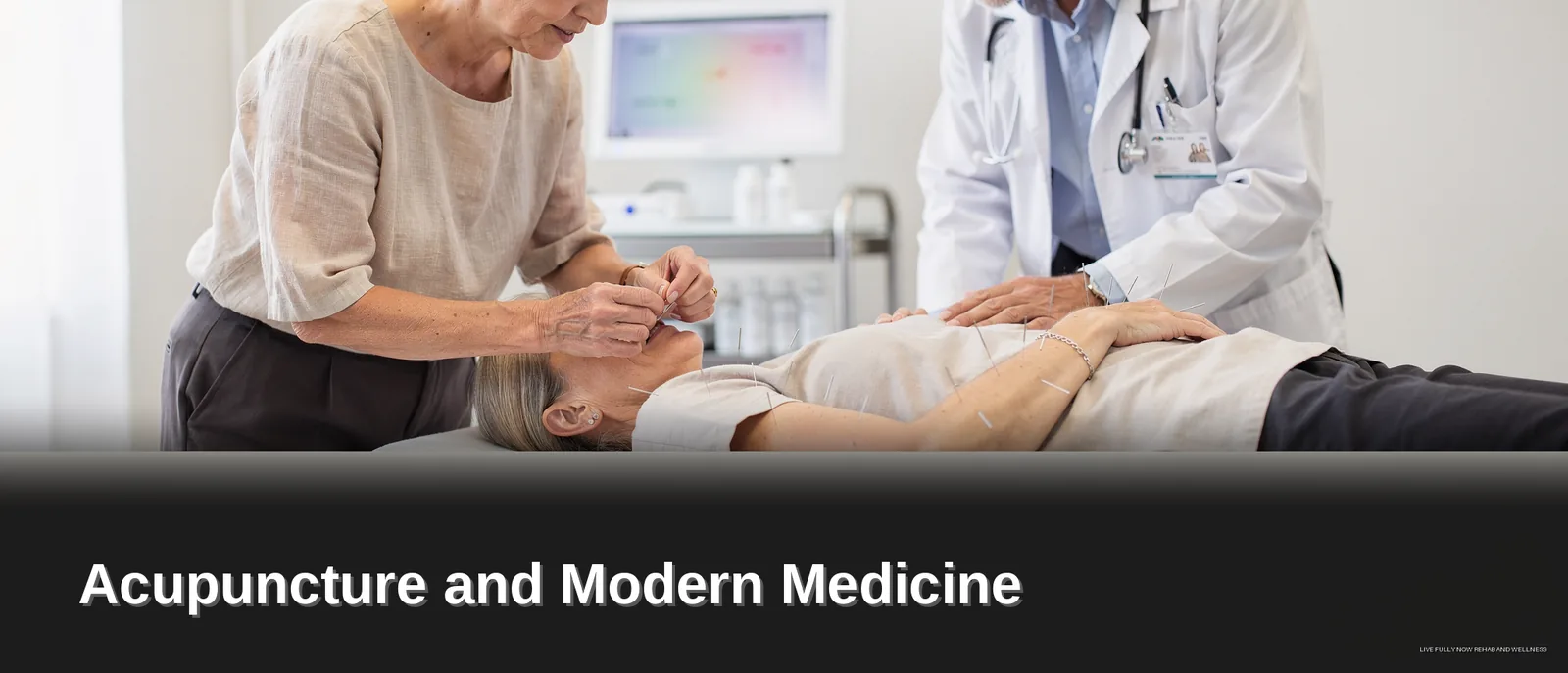
Acupuncture reduces chronic pain and nausea by stimulating specific nerve points, working alongside conventional treatments like physical therapy and medication. The World Health Organization recognizes acupuncture as eff
Acupuncture addresses conditions such as pain, insomnia, anxiety, depression, and frozen shoulder, offering a non-pharmacologic option alongside standard treatment. Working through strategic needle placement along the body’s meridians, it integrates with Western biomedicine as part of a recognized complementary and alternative medicine approach to comprehensive patient care.
Acupuncture, offered by practitioners like Jennifer Hermans at LIVE FULLY NOW Rehab & Wellness, targets pain, insomnia, anxiety, and frozen shoulder alongside standard treatment plans. Rooted in Traditional Chinese Medicine, this non-pharmacologic therapy addresses symptoms medication alone often leaves unresolved, supporting physical therapy goals and helping the body regulate stress responses naturally.
Why Are Patients Turning to Acupuncture Alongside Modern Medicine?
Growing numbers of patients pair acupuncture with modern medical care because the combination addresses problems that neither approach fully solves alone. Chronic pain, poor sleep, and unresolved stress often persist despite standard treatment, pushing patients toward complementary options backed by real clinical experience.
Research confirms this shift extends far beyond back pain. Acupuncture now serves diverse populations for insomnia, anxiety, depression, and frozen shoulder, alongside the pain complaints it has traditionally been known to treat.
Does acupuncture actually work, or is it just a placebo?
Licensed practitioners at LIVE FULLY NOW don’t treat acupuncture as a leap of faith. Jennifer Hermans, a physical therapist on staff, began her own acupuncture journey as a patient. She saw firsthand the results the treatments produced. That experience later shaped her decision to add acupuncture to her clinical practice.
What makes an integrated clinic different from a solo acupuncturist?
Coordination matters here. LIVE FULLY NOW brings acupuncture, physical therapy, and occupational therapy together under one roof, led by Owner and Lead Therapist Blake Schicker. Patients avoid piecing together fragmented care from separate providers who rarely communicate with one another.
This integration reflects a broader philosophy. Holistic therapies at the practice target pain relief, mobility, and nervous system regulation as connected goals rather than isolated fixes, giving patients a coordinated path toward lasting recovery instead of temporary relief.
How Does Acupuncture Fit Into a Modern Treatment Plan?
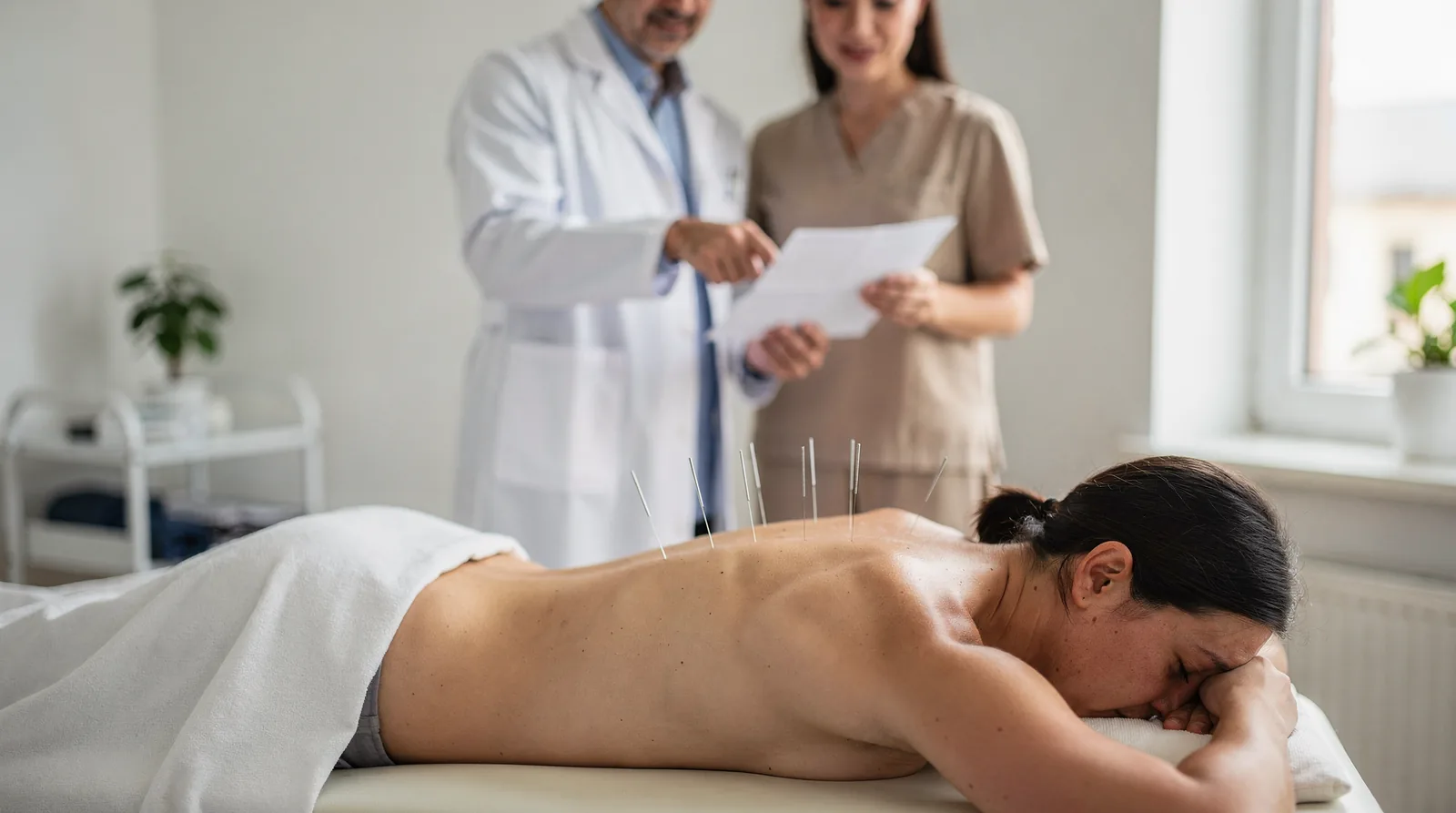
Modern rehabilitation plans place acupuncture and modern medicine side by side rather than treating them as competing systems. At LIVE FULLY NOW, individualized treatment plans follow thorough evaluations, keeping care safe and aligned with current clinical standards. That evaluation step matters: it determines whether needling, manual therapy, or a combination fits a patient’s specific condition.
Clinical settings across the country now reflect this same shift. Acupuncture is increasingly offered inside conventional medical environments rather than confined to standalone practices, a sign of its growing acceptance alongside standard rehabilitation care.
Who Actually Delivers This Kind of Combined Care?
Practitioners bridging both worlds often carry formal physical therapy credentials alongside their acupuncture training. Jennifer Hermans, for example, obtained her physical therapy license before deepening her focus on acupuncture. That dual background lets one practitioner move between conventional and complementary techniques within a single treatment plan.
Does Rehabilitation Experience Actually Change How Acupuncture Is Used?
Years spent in orthopedic physical therapy, particularly in multidisciplinary settings, shape how needling gets paired with exercise-based rehabilitation. A practitioner familiar with joint mechanics and muscle recovery timelines can sequence acupuncture sessions around therapy goals instead of offering it as an isolated add-on. For patients and caregivers, this integration means:
- Fewer gaps between pain management and functional recovery
- Coordinated timing between needling sessions and physical therapy visits
- One care team overseeing both modalities
What Should You Look for in an Integrative Practitioner?
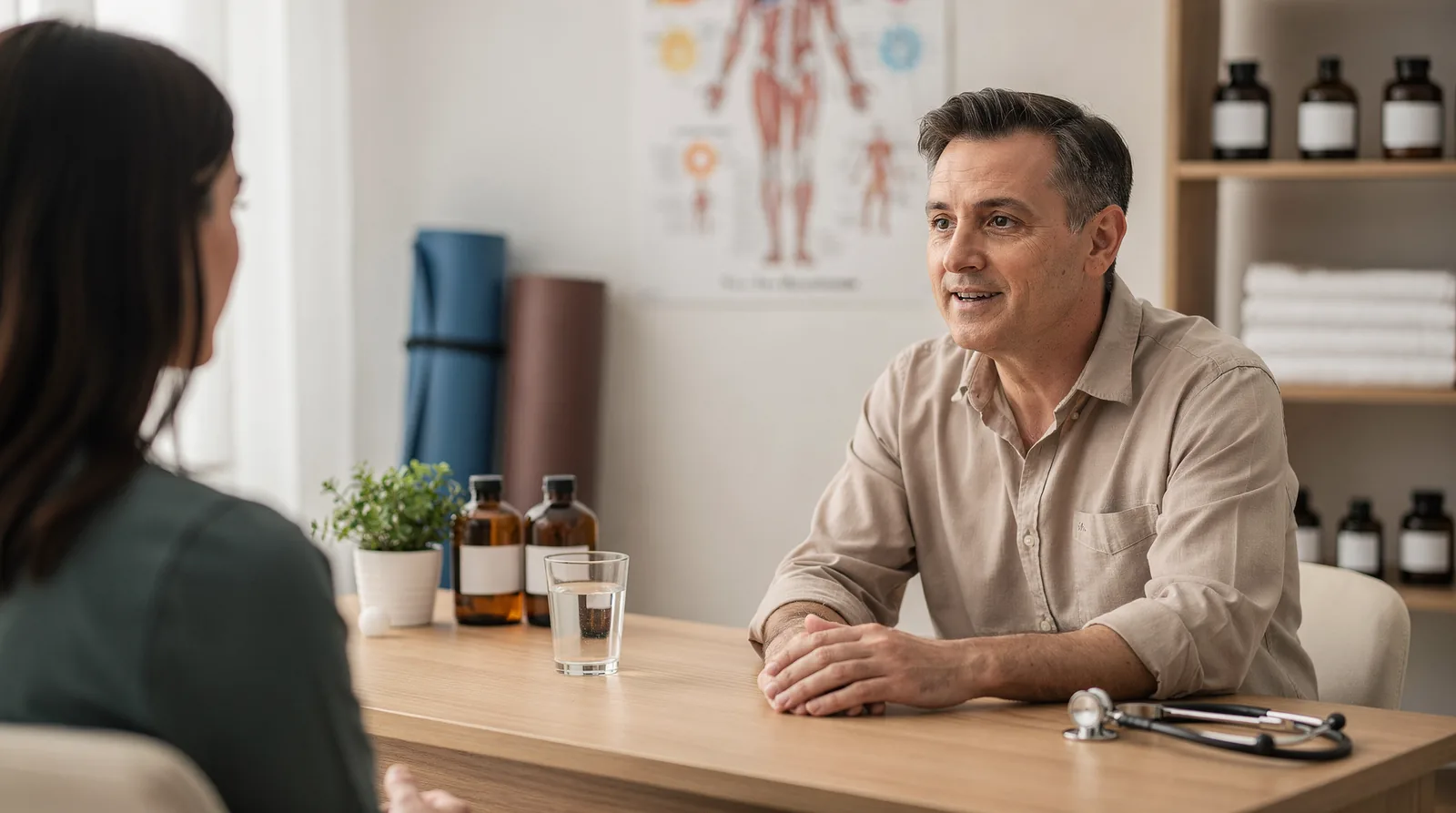
Credentials alone do not guarantee quality care. A strong integrative provider pairs licensed training in acupuncture and modern medicine with hands-on clinical experience treating real musculoskeletal conditions. Growing interest in non-Western medicine has pushed complementary approaches into mainstream healthcare, no longer treated as a fringe add-on but recognized as a legitimate part of overall treatment.
That shift raises the bar for what patients should expect from a provider. Background matters more than a certificate on the wall.
Does Orthopedic Experience Make a Difference?
Yes. A practitioner with extensive multidisciplinary orthopedic experience applies needling techniques with real understanding of joints, muscles, and movement patterns, rather than treating acupuncture as an isolated add-on service. That clinical depth shapes safer, more targeted treatment plans.
Why Choose a Practice With Multiple Therapies Under One Roof?
Coordinated care beats fragmented care. Practices that combine acupuncture with physical therapy and occupational therapy under one team can build a single, unified treatment plan instead of juggling referrals across separate offices.
When evaluating a provider, look for these markers:
- Licensed training across multiple disciplines, not just one certification
- Documented orthopedic or musculoskeletal clinical experience
- Individualized plans built from thorough evaluations, not templated protocols
- A whole-person philosophy aimed at long-term health, not just symptom relief
Practices built around intentional, whole-person wellness aim for lasting results, supporting both immediate relief and sustained recovery over time.
At LIVE FULLY NOW Rehab & Wellness, we recognize that acupuncture and modern medicine need not compete—they complement each other beautifully. By integrating traditional healing wisdom with contemporary clinical practice, we help our patients access the full spectrum of therapeutic possibilities. This collaborative approach honors both the body’s innate capacity to heal. The evidence-based treatments that support that process, creating a pathway to lasting wellness that addresses the whole person.
