
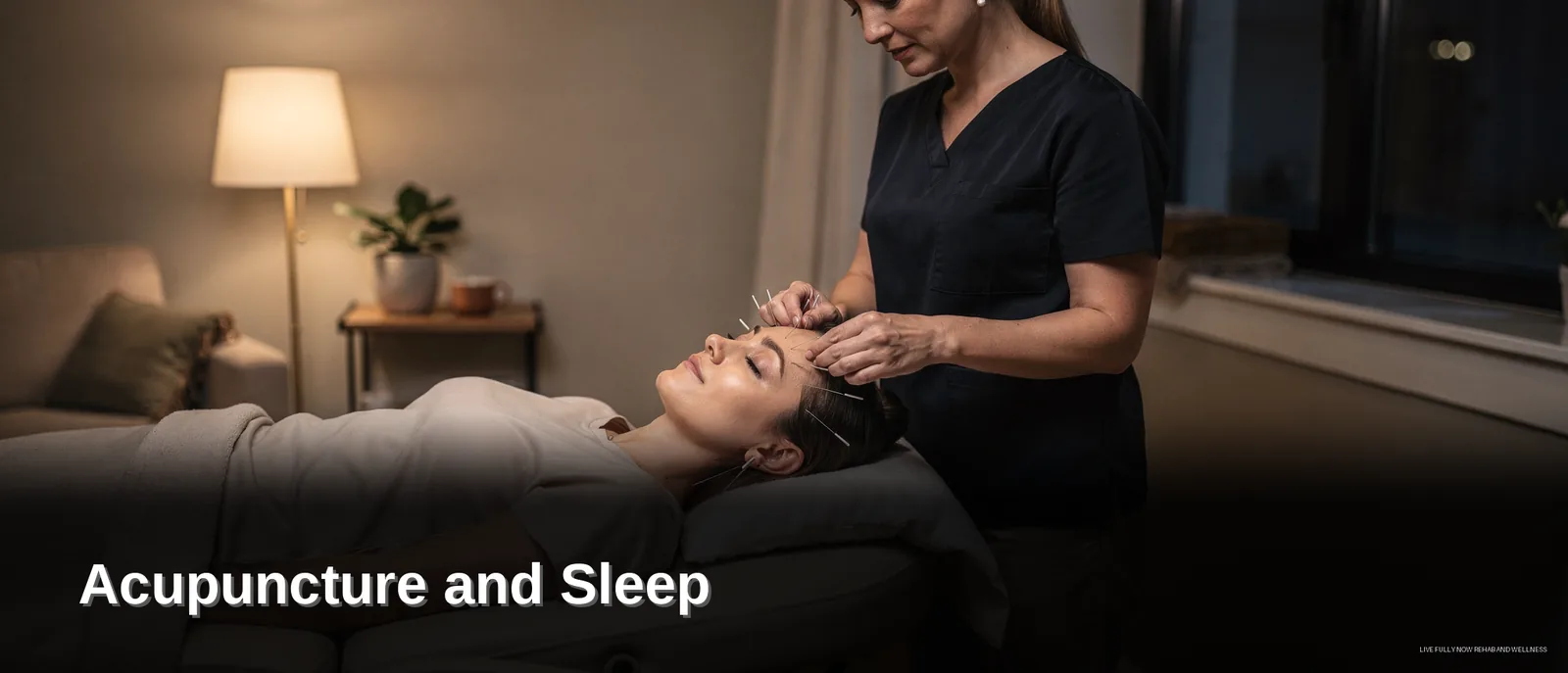
Acupuncture calms the nervous system and eases stress-related insomnia, addressing difficulty falling asleep, night waking, and impaired daytime function. Live Fully Now Rehab & Wellness integrates acupuncture with therapies like Craniosacral Therapy to regulate the nervous system, reduce sleep latency, and support restorative rest without relying on sleep medications.
Can acupuncture help you fall asleep faster?
Acupuncture may help some individuals fall asleep faster by improving sleep quality and reducing night wakings. For individuals with insomnia, regular acupuncture treatments over one to two months produce measurable improvements in sleep patterns. This ancient practice has become an increasingly popular alternative to sleep medications as more people seek natural relief from persistent sleep difficulties.
How does acupuncture affect sleep quality?
Acupuncture directly targets the mechanisms that disrupt restful sleep. The treatment decreases anxiety and alleviates pain, two common barriers to falling asleep quickly. By addressing these underlying factors, acupuncture creates conditions that allow the body to transition into sleep more easily.
What results can someone expect from acupuncture for insomnia?
| Sleep Outcome | Typical Improvement |
|---|---|
| Sleep quality | Noticeable enhancement |
| Night wakings | Reduced frequency |
| Total sleep time | Increased duration |
| Anxiety levels | Decreased |
| Pain symptoms | Alleviated |
Insomnia remains a common sleep disorder characterized by persistent difficulty falling asleep, decreased sleep quality, and impaired daytime functioning. Acupuncture offers a drug-free approach that addresses these core symptoms without the side effects associated with pharmaceutical sleep aids.
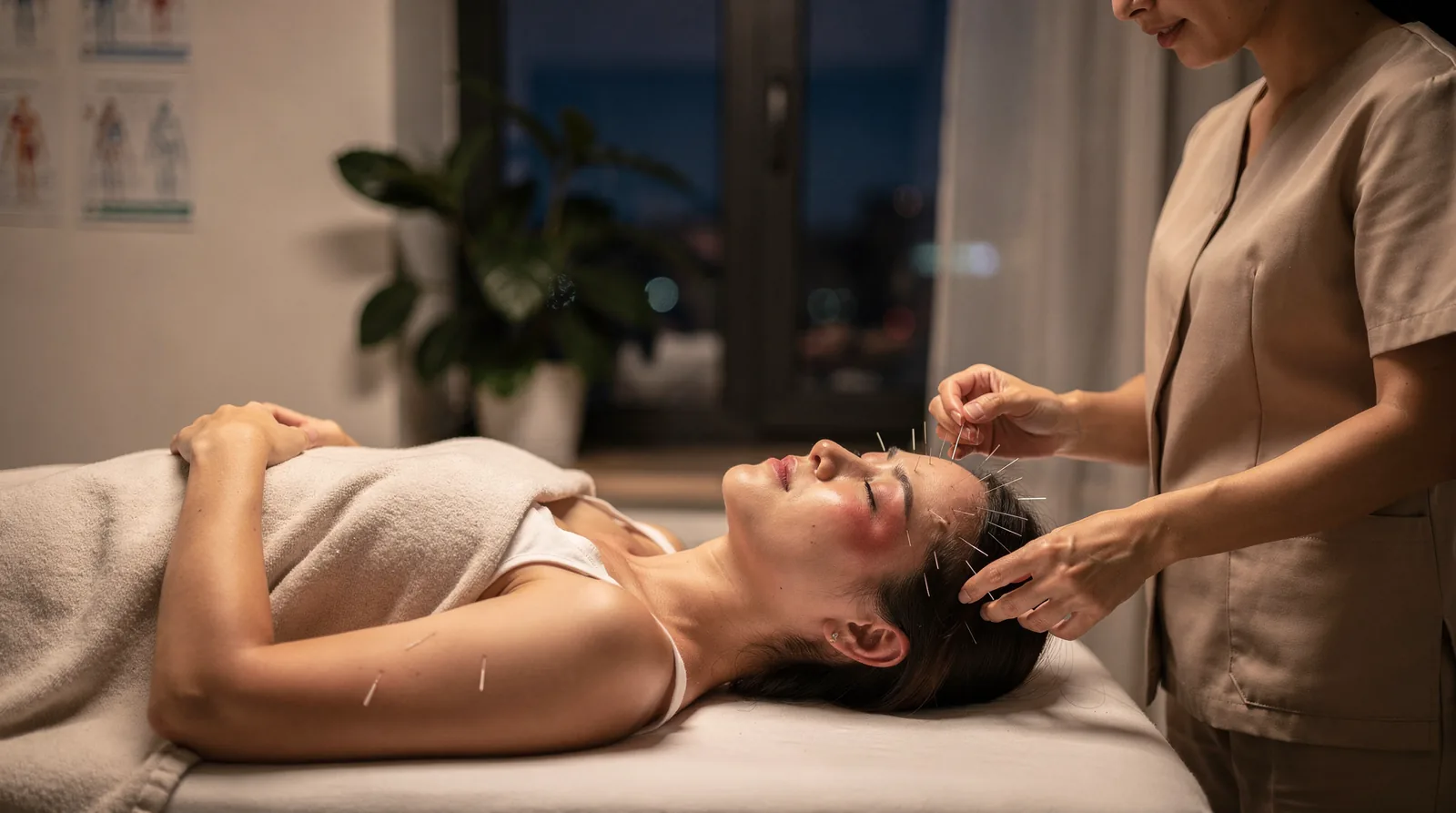
What causes insomnia and how does acupuncture address it?
Insomnia activates the fight-or-flight stress response in the brain, creating a cycle of poor sleep and increased physiological strain. Irregular or insufficient sleep triggers chronic stress that affects cardiovascular health (causing high blood pressure), metabolism (diabetes and obesity), hormone regulation, and immune function. These systemic disruptions make falling and staying asleep progressively harder.
Acupuncture targets these root causes through multiple mechanisms. The practice treats insomnia by regulating neurotransmitters and the nervous system, reducing the overactive stress response. Additionally, acupuncture works through anti-inflammatory actions and by improving the body’s natural sleep-regulating pathways.
Why does insomnia trigger the fight-or-flight response?
When sleep becomes irregular or insufficient, the brain interprets this as a threat and activates a protective stress response. This chronic stress state keeps the nervous system in high alert, making relaxation and sleep initiation difficult. Over time, this ongoing activation stresses the entire body. The cardiovascular system, metabolism, and immune function all suffer when sleep quality remains poor.
Which patients benefit most from acupuncture for insomnia?
People whose insomnia is linked to depression, menopause, or chronic pain may be especially good candidates for acupuncture therapy. These conditions share underlying mechanisms — nervous system dysregulation, inflammation, and neurotransmitter imbalance — that acupuncture directly addresses. For individuals experiencing insomnia alongside these health challenges, acupuncture offers a targeted approach that treats both the sleep disturbance and its contributing factors simultaneously.
Key mechanisms through which acupuncture treats insomnia:
- Regulates neurotransmitters involved in sleep-wake cycles
- Calms the overactive nervous system (reducing fight-or-flight response)
- Provides anti-inflammatory effects that support overall health
- Improves natural sleep regulation without medication side effects
What should you expect from acupuncture for sleep?
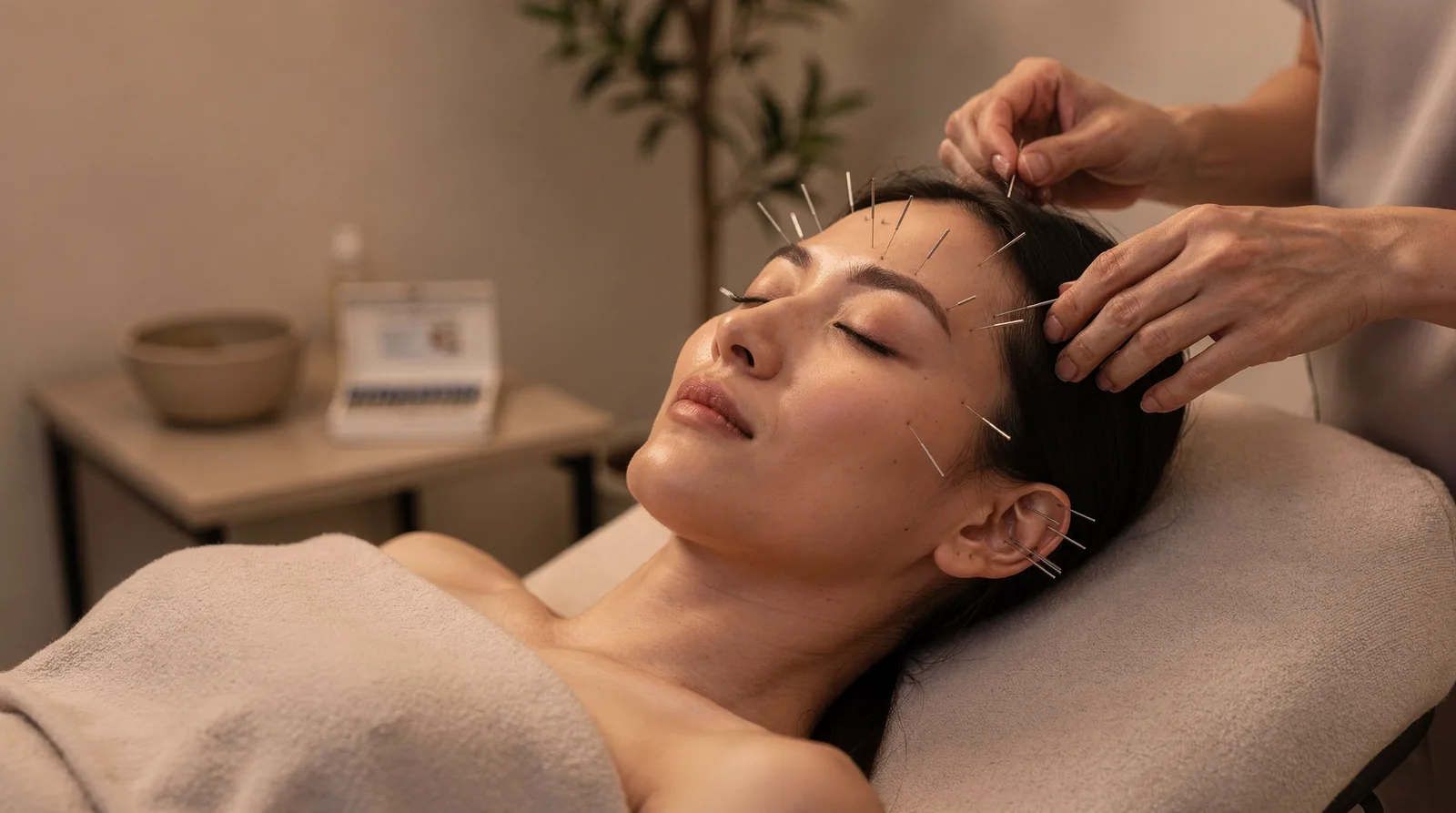
Acupuncture, one of the world’s oldest medical practices, offers a drug-free path to better rest by addressing both physical tension and mental stress. Clients at LIVE FULLY NOW Rehab & Wellness receive treatments designed to support pain relief, mobility, nervous system regulation, and overall well-being. A typical session involves the gentle insertion of thin needles at specific points on the body, a process most people find relaxing rather than painful. Many individuals notice improvements in sleep quality after one to two months of regular weekly sessions.
How does acupressure compare to acupuncture for sleep?
Acupressure uses the same energy points as acupuncture and sleep protocols but without any skin puncture. Clients can combine acupressure with other sleep strategies such as darkening the room, playing soothing music, or meditating before bed. This makes acupressure a practical self-care tool for nights when professional treatment isn’t available.
What results can clients realistically expect?
- Improved sleep quality — fewer nighttime awakenings and deeper rest
- Reduced sleep latency — falling asleep faster, often within 15-20 minutes
- Decreased anxiety — lower stress levels that interfere with rest
- Increased total sleep time — adding 30-60 minutes per night for many clients
These outcomes stem from acupuncture’s ability to regulate the nervous system, shifting the body from a fight-or-flight state into a rest-and-digest mode. Clients who maintain consistent treatment schedules typically see cumulative benefits over several weeks.
At LIVE FULLY NOW Rehab & Wellness, we understand that quality sleep and genuine relaxation form the foundation of lasting wellness. Acupuncture works with your body’s natural healing capacity to restore balance. Calm your nervous system, offering a pathway to the restorative rest you deserve. By addressing the root causes of sleep disruption and stress, this ancient practice supports your journey toward living fully—awake, present, and genuinely well.
