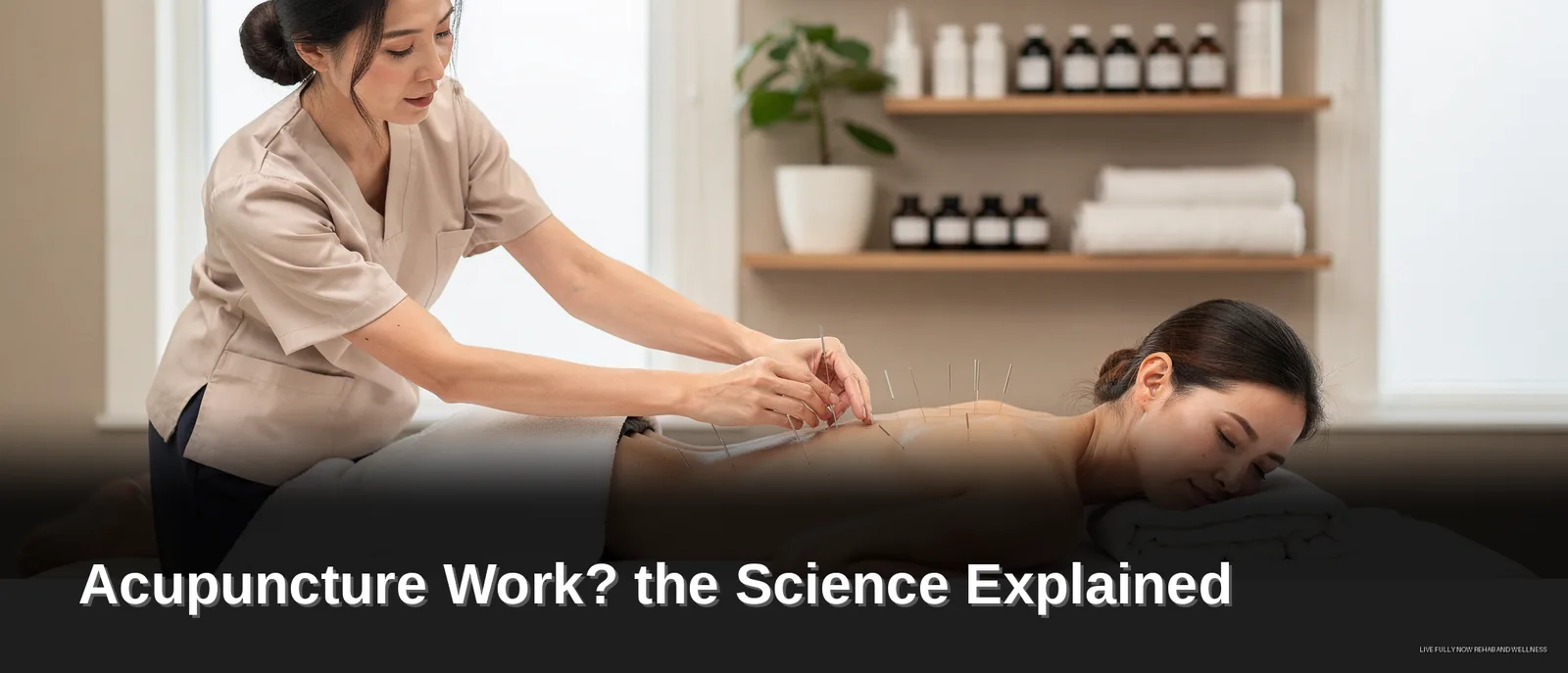
Meridians, over 14 major channels containing hundreds of acupoints, carry the body’s vital energy, or qi. Thin needles inserted at these points aim to rebalance qi, stimulating the central nervous system. Immune system to relieve symptoms and restore health.
Traditional Chinese Medicine forms the foundation of acupuncture, a practice offered at Live Fully Now Rehab & Wellness in Hackettstown, NJ. Thin needles stimulate specific points along the body’s meridians, encouraging balanced qi flow. This process calms the nervous system, eases pain, and supports the body’s natural healing response daily.
What is acupuncture and how does it work?
Acupuncture is a core component of Traditional Chinese Medicine (TCM), a healthcare system that has evolved over thousands of years to prevent, diagnose, and treat disease. The practice involves inserting very thin needles through the skin at strategic points on the body. Acupuncture is most commonly used to treat pain, and its use for overall wellness and stress management continues to grow.
How does Traditional Chinese Medicine explain acupuncture?
TCM holds that the body’s vital energy, called qi (pronounced chi), flows along specific channels or meridians. Balanced qi produces spiritual, emotional, and physical health. Blocked or unbalanced qi can cause disease. Acupuncture aims to restore the proper flow of qi, creating harmony between the body’s opposing but connected forces, yin and yang.
What happens during an acupuncture session?
Acupuncturists believe the human body has more than 2,000 acupuncture points linked through various meridians. During a session, a practitioner inserts hair-thin needles at specific points to stimulate the body’s central nervous system. This stimulation triggers the release of natural chemicals, including endorphins, the body’s natural painkillers.
| Core Concept | Traditional Chinese Medicine Explanation |
|---|---|
| Qi | Vital energy flowing through meridians |
| Meridians | Energy-carrying channels connecting over 2,000 points |
| Needle insertion | Restores qi balance and stimulates nervous system |
| Treatment goal | Rebalance the body and release natural pain-relieving chemicals |
What does the science say about acupuncture?
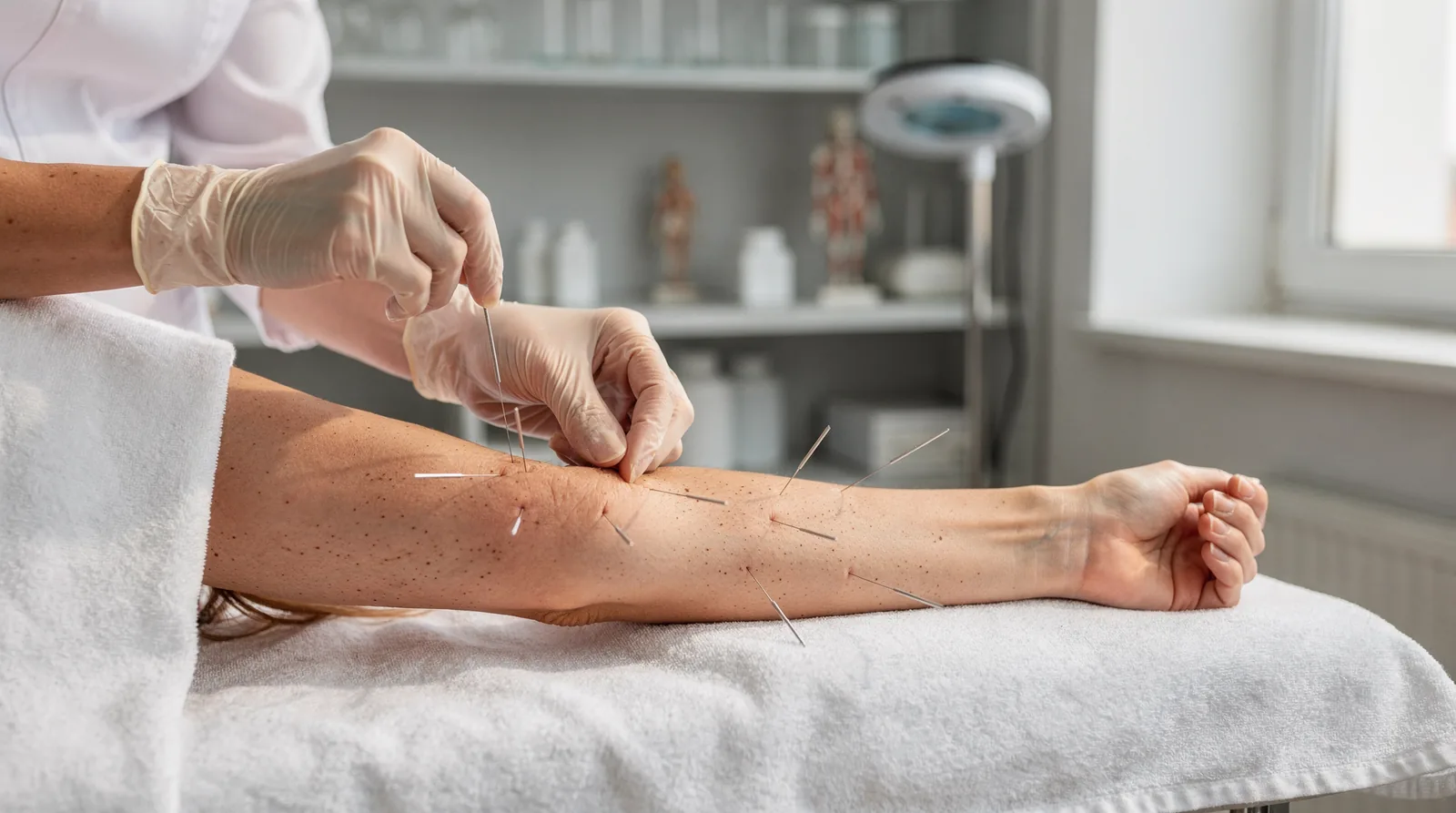
Acupuncture needles stimulate the body’s central nervous system and immune system, triggering a cascade of biological responses. This stimulation helps the body react to an illness or symptom, rebalance itself, and release natural chemicals like endorphins, the body’s natural painkillers. Recent studies offer insights into how this ancient technique works. Newer approaches are bolstering acupuncture with insights from Western medicine.
How does acupuncture affect the nervous system?
The insertion of thin needles at specific points on the body activates the central nervous system. This activation prompts the release of neurotransmitters, chemicals that control nerve impulses. The process helps regulate pain signals and promotes a state of physiological balance.
What is the traditional Chinese medicine explanation?
A practitioner of Traditional Chinese Medicine describes the work as regulating the flow of qi and blood, balancing yin and yang, and harmonizing organ functions through the meridians. These energy-carrying channels, called meridians, are believed to connect different parts of the body. When qi flows freely, the person experiences spiritual, emotional, and physical health.
What biological changes does acupuncture produce?
The body responds to acupuncture by releasing several natural substances:
- Endorphins — natural painkillers that reduce discomfort
- Neurotransmitters — chemicals that control nerve impulses throughout the body
- Immune system components — cells that help the body react to illness or injury
These biological changes explain why many patients experience pain relief and improved well-being after treatment. The combination of nervous system stimulation and chemical release creates a foundation for the body’s self-healing capacity.
What happens during an acupuncture session?
An acupuncture session begins with a conversation about the patient’s condition before any needles are placed. The practitioner asks about symptoms, medical history, and lifestyle to understand what brought the client in. This initial discussion shapes the entire treatment plan.
How does the evaluation work at Live Fully Now Rehab & Wellness?
Every patient receives a thorough evaluation before treatment recommendations are made. This process ensures care is safe, appropriate, and aligned with current clinical standards. The evaluation covers pain levels, mobility restrictions, and stress factors that might influence recovery.
Therapists at Live Fully Now Rehab & Wellness hold credentials across Acupuncture, Physical Therapy, and Occupational Therapy. This multi-disciplinary background allows the team to evaluate a condition from several professional perspectives. A client benefits from this combined expertise during every assessment.
What happens after the evaluation?
Following the assessment, the practitioner designs an individualized treatment approach. The integrative therapy services support:
- Pain relief
- Mobility improvement
- Nervous system regulation
- Recovery acceleration
- Stress reduction
- Overall well-being
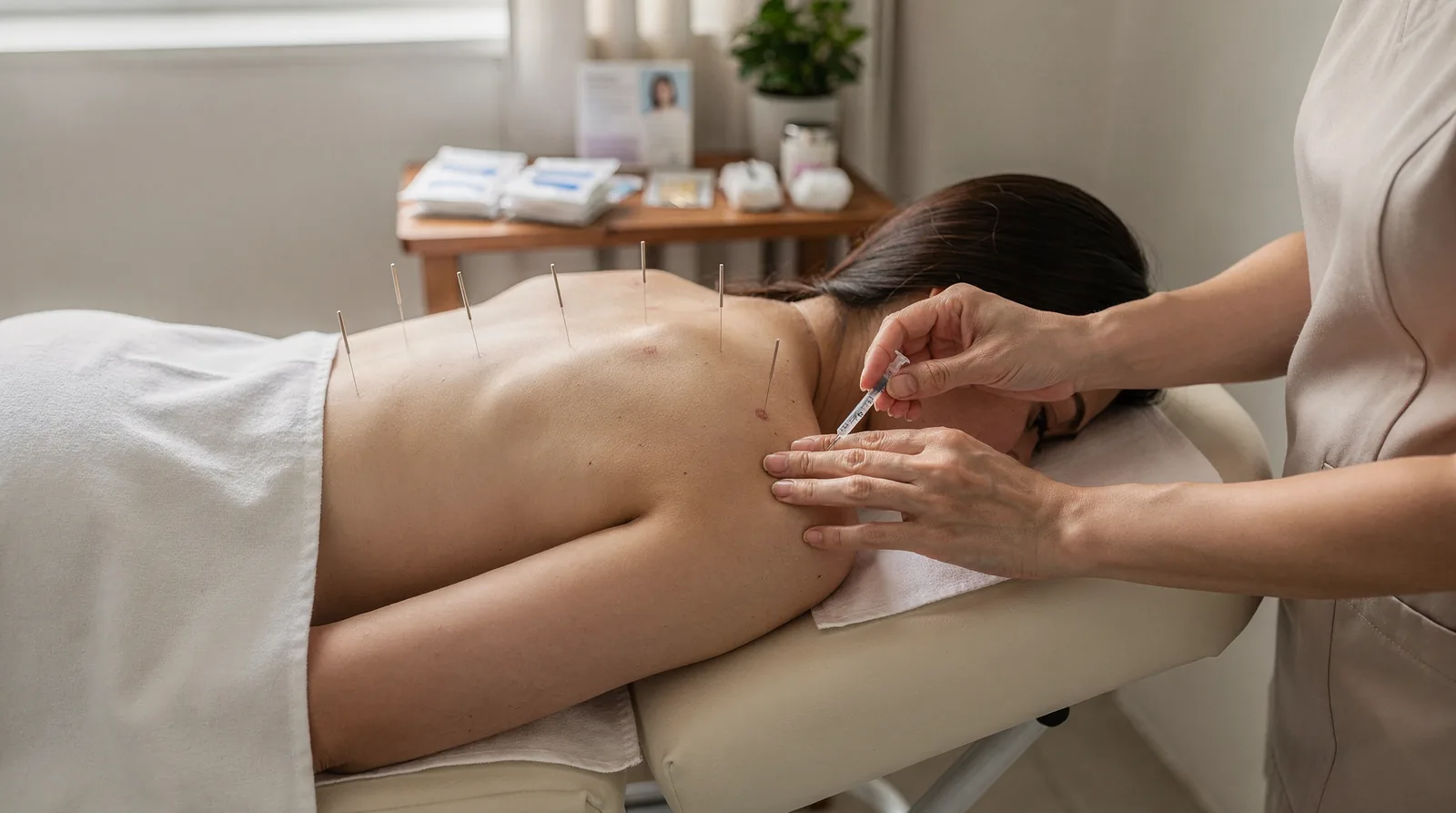
Needles are then inserted at strategic points along the body’s meridians. The session typically feels calm and focused. Clients often notice a deep sense of relaxation as the body begins to rebalance. The practitioner monitors responses throughout and adjusts the treatment as needed.
