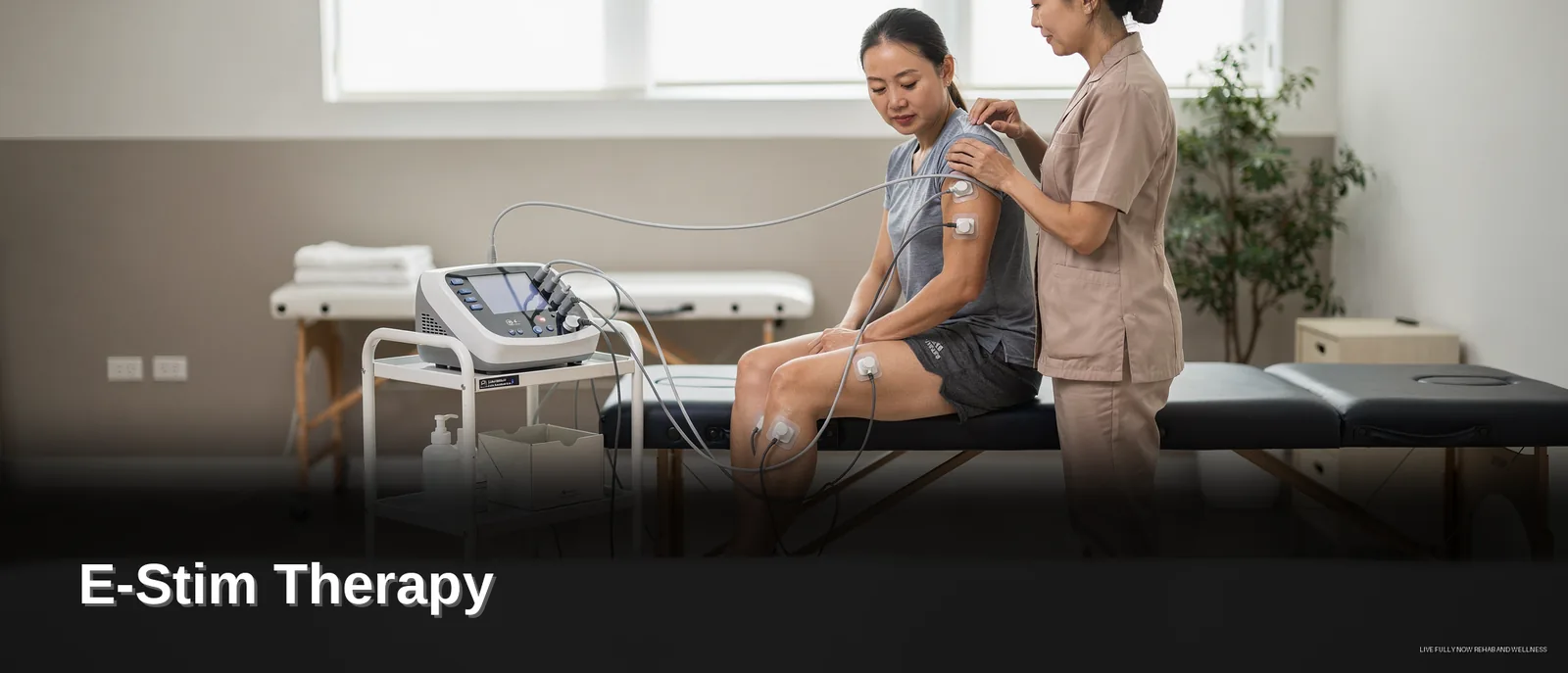
Electrical Stimulation Therapy, known as e-stim or electrotherapy, delivers mild electrical pulses through the skin to stimulate muscles and nerves. Physical therapists use methods like TENS to reduce pain, improve muscle function, and promote healing. Live Fully Now Rehab & Wellness applies this technique within personalized rehabilitation programs for injury recovery and chronic pain management.
What Is E-Stim Therapy, Really?
E-stim therapy, short for electrical stimulation therapy, sends mild electrical pulses through the skin to reach muscles and nerves. Patients recovering from surgery or managing chronic pain often encounter this treatment as part of a broader rehabilitation plan. The pulses serve two distinct purposes depending on the target.
How does e-stim actually help recovery?
Electrical pulses aimed at muscles stimulate quicker recovery by encouraging contraction and blood flow. Pulses directed at nerves interrupt pain signals, reducing discomfort without medication. Both applications rely on the same core technology, just tuned differently:
- Muscle-targeted stimulation — supports faster healing after injury or surgery
- Nerve-targeted stimulation — reduces pain signals traveling to the brain
Is e-stim the same for every patient?
No single protocol fits every condition. At LIVE FULLY NOW Rehab & Wellness, therapists trained across acupuncture, physical therapy, and occupational therapy evaluate each case from multiple angles before recommending electrotherapy. That cross-disciplinary evaluation determines whether e-stim, hands-on techniques, or a combination best addresses a patient’s specific pain pattern.
Rehabilitation plans built this way move away from generic templates. Care stays tailored to the individual’s condition, which supports faster recovery and outcomes that last. For someone managing post-surgical pain or chronic discomfort, that distinction between muscle-focused and nerve-focused stimulation, chosen deliberately rather than defaulted to, often shapes how quickly and how completely function returns.
What Types of E-Stim Exist for Recovery?
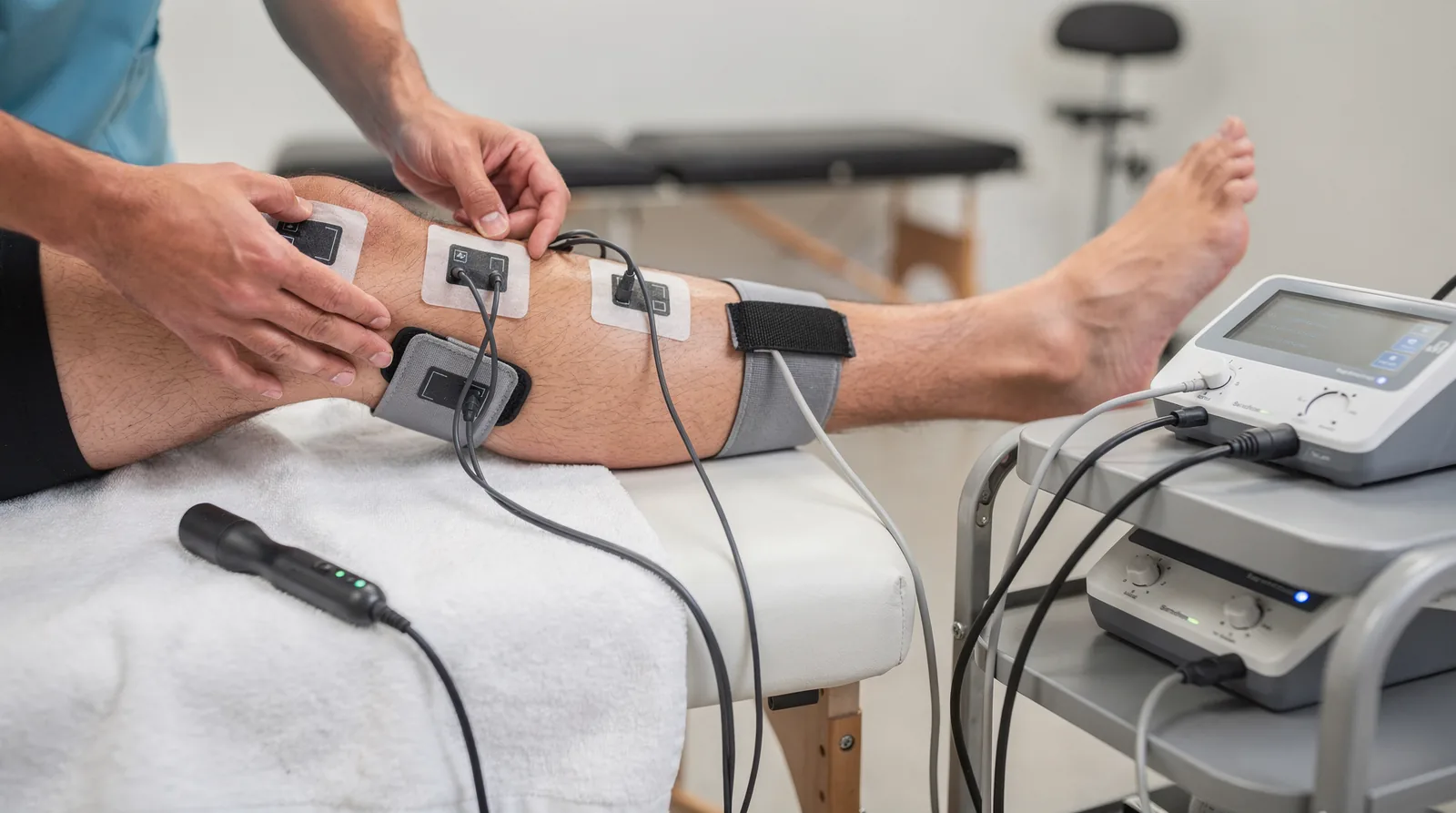
Two main forms of e-stim therapy serve different recovery goals: pain relief and muscle strengthening. Each type sends electrical current through skin electrodes, but the target and outcome differ significantly.
What is TENS used for?
Transcutaneous Electrical Nerve Stimulation (TENS) targets nerve signals rather than muscle tissue. Electrodes placed near the painful area deliver low-level currents that stimulate nerves directly. This interrupts pain signals traveling toward the brain, offering relief without medication for many recovering patients.
How does NMES help after injury or surgery?
Neuromuscular Electrical Stimulation (NMES) works on a different principle entirely. Rather than blocking pain signals, NMES stimulates muscle fibers to contract. Surgery and injury often leave muscles weakened or inactive for weeks; NMES helps rebuild that strength during rehabilitation.
| Type | Primary Target | Main Benefit |
|---|---|---|
| TENS | Nerves | Blocks pain signals |
| NMES | Muscles | Restores strength |
Neither modality works in isolation at LIVE FULLY NOW. Electrotherapy-style approaches pair with hands-on techniques as part of a broader philosophy: combining proven therapies to restore balance throughout the whole body. Patients recovering from surgery or managing chronic pain often benefit most when nerve-focused. Muscle-focused stimulation work alongside manual care, rather than as a standalone fix.
Does E-Stim Actually Aid Pain and Recovery?
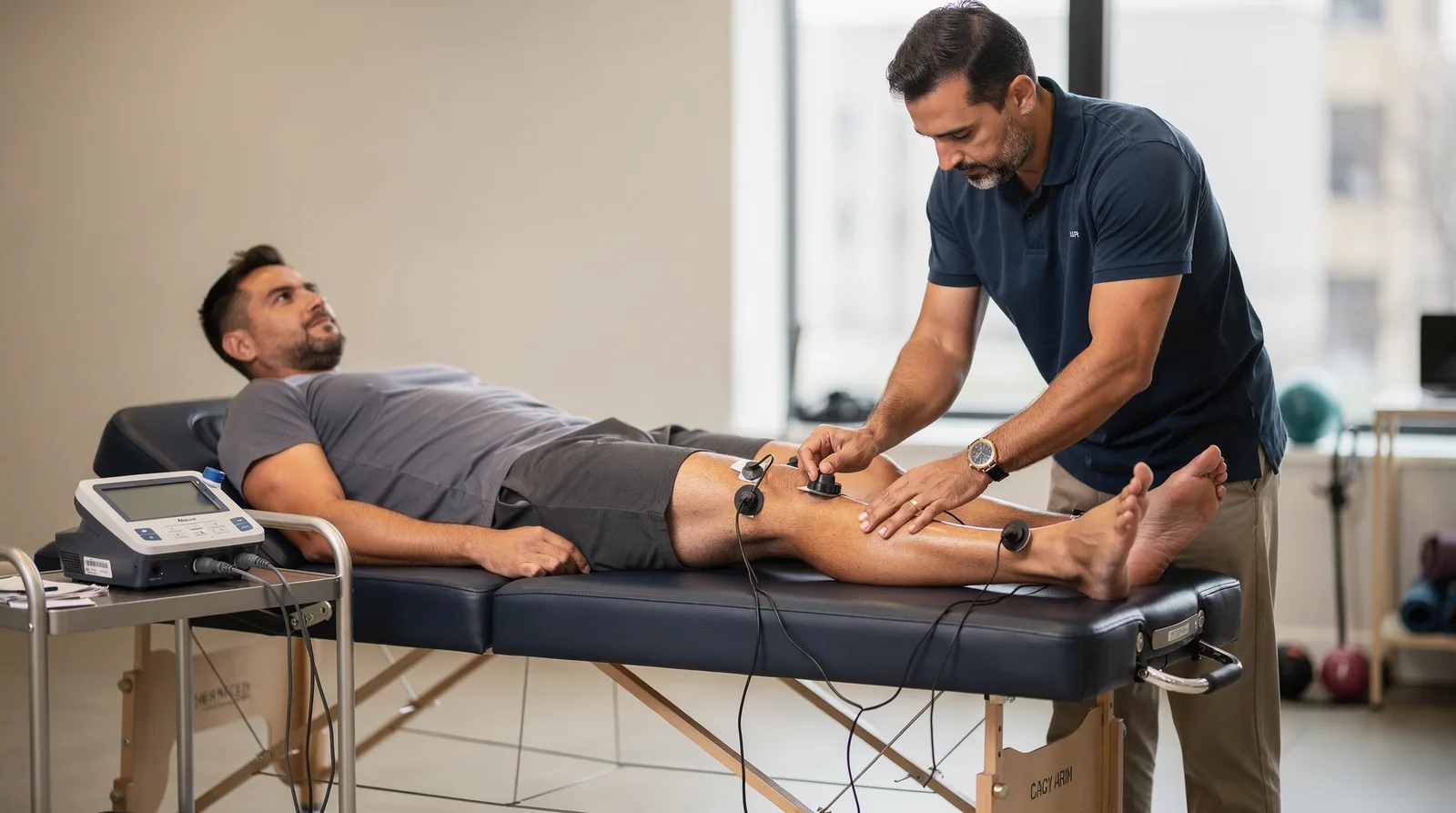
Evidence supports real functional gains from e-stim therapy, particularly for nerve and muscle-related conditions. Functional electrical stimulation restores muscle activity. Helps muscles move again, making it a documented option for foot drop and weakness caused by brain or spinal cord damage. Recovery, though, rarely comes from a single tool working alone.
How does Live Fully Now decide if e-stim fits a recovery plan?
Every plan starts with a thorough evaluation. Individualized rehabilitation programs get built from that assessment, keeping treatment safe and aligned with current clinical standards rather than applying a generic protocol to every patient.
What role does e-stim play alongside other therapies?
E-stim rarely stands alone at Live Fully Now. It works within a broader, holistic framework built to address several goals at once:
- Reducing pain through nerve and muscle stimulation
- Restoring mobility after injury or surgery
- Supporting nervous system regulation
- Promoting overall well-being alongside physical recovery
This combined approach reflects a simple principle: lasting recovery depends on treating the whole person, not just the injured muscle or nerve pathway in isolation.
Electrical stimulation therapy represents a powerful tool in modern rehabilitation, offering drug-free pain relief and accelerated healing through the body’s own natural mechanisms. At LIVE FULLY NOW, we integrate e-stim with our comprehensive therapeutic approach to restore function and reclaim your quality of life. Whether you’re managing chronic pain or recovering from injury, this evidence-based modality works alongside our other holistic treatments to help you move forward with confidence and renewed vitality.
