
You wake up hoping your back will feel better after a full night’s sleep. Instead, the stiffness is still there. Rolling out of bed takes a little planning. Sitting through breakfast feels uncomfortable, and by the time you finish your commute, your lower back is already aching. You may have tried stretching, heating pads, pain relievers, massage, or even changing your mattress. Some days are manageable. Other days, even simple activities like tying your shoes or picking up groceries become frustrating.
If this sounds familiar, you’re not alone. Chronic back pain affects millions of adults and is one of the leading reasons people seek healthcare. It doesn’t just affect your back it can influence your sleep, mood, work, exercise routine, and overall quality of life.
When traditional treatments don’t provide enough relief, many people begin exploring acupuncture. Some are curious after hearing success stories from friends or family. Others wonder whether it is supported by research or if it is simply another wellness trend.
The answer is more nuanced than a simple yes or no.
Acupuncture is not a cure for chronic back pain, and it is not the right solution for every person. However, growing evidence suggests it may help reduce pain, improve movement, decrease muscle tension, and support recovery for many individuals when incorporated into a comprehensive rehabilitation plan.
This guide explains how acupuncture works, why chronic back pain develops, who may benefit most, what treatment is like, and how acupuncture can fit alongside physical therapy and other conservative treatments.
How Acupuncture May Relieve Back Pain
One of the biggest misconceptions about chronic back pain is that it always means something is badly damaged.
That isn’t necessarily true.
An acute injury, such as lifting a heavy object incorrectly, usually involves tissue irritation that gradually heals over several weeks. Chronic pain, on the other hand, continues for more than 12 weeks and often involves changes in how the nervous system processes pain.
Think of your nervous system as your body’s alarm system.
Immediately after an injury, the alarm serves an important purpose by protecting the injured area. But when pain becomes chronic, that alarm can become overly sensitive. Even after tissues have healed, the nervous system may continue sending pain signals more easily than it should.
This helps explain why someone can have significant pain despite relatively mild findings on an MRI or why another person with arthritis or disc degeneration may have very little discomfort.
Successful treatment often involves calming this overactive pain system rather than focusing only on the spine itself.
How Acupuncture May Influence Pain
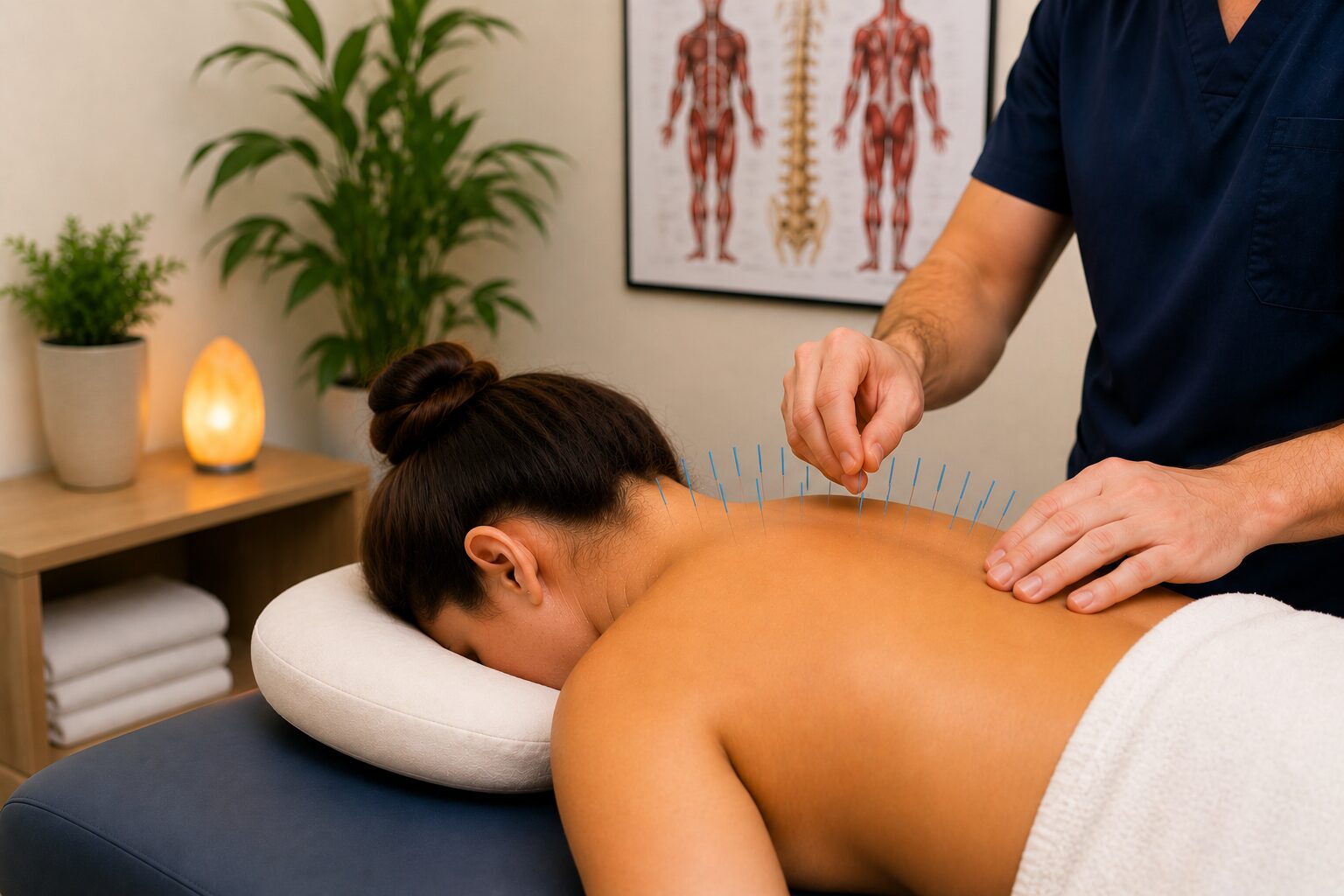
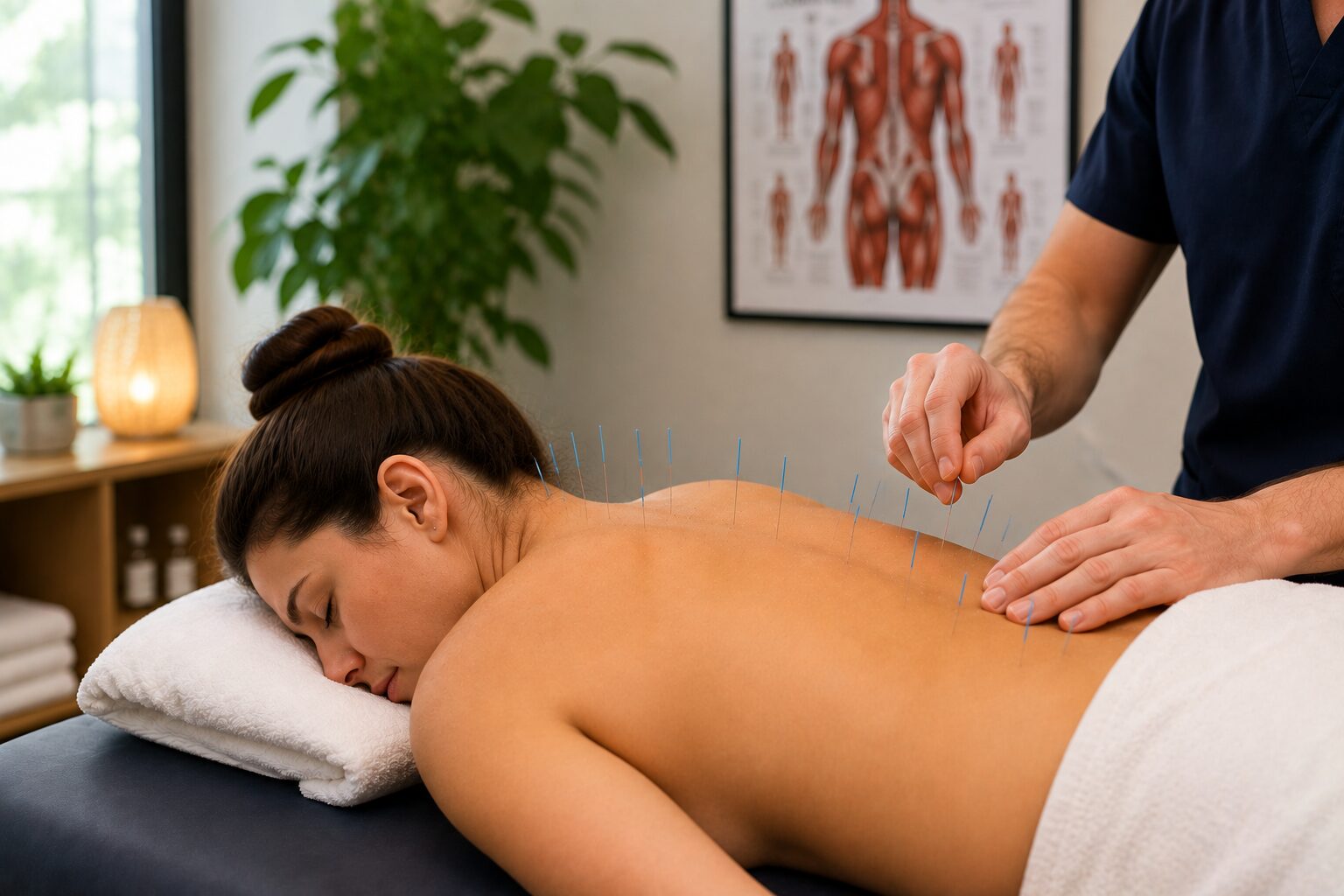
Acupuncture involves inserting very thin, sterile needles into specific points on the body. These needles are much thinner than those used for injections or blood draws.
Although researchers continue studying the exact mechanisms, several biological effects appear to contribute to pain relief.
Supporting the Nervous System
Acupuncture may stimulate nerves that communicate with the brain and spinal cord. This stimulation appears to encourage the release of naturally occurring chemicals involved in pain regulation, including endorphins, serotonin, and other neurotransmitters.
Endorphins are sometimes called the body’s natural pain relievers because they help decrease the perception of pain.
Reducing Muscle Tension
Chronic pain often creates a cycle.
Pain causes muscles to tighten.
Tight muscles restrict movement.
Restricted movement increases stiffness.
The increased stiffness contributes to more pain.
Acupuncture may help interrupt this cycle by encouraging muscles to relax, allowing improved movement and reducing protective muscle guarding.
Improving Blood Flow
Healthy circulation helps deliver oxygen and nutrients to muscles and connective tissues.
Research suggests acupuncture may promote local blood flow around treated areas, potentially supporting tissue recovery and decreasing irritation.
Influencing Fascia
Fascia is a continuous network of connective tissue surrounding muscles, nerves, bones, and organs. Restrictions within this tissue may contribute to stiffness and altered movement patterns.
Some researchers believe acupuncture may help influence fascial mobility by creating gentle mechanical stimulation within these tissues.
Modulating Inflammation
Inflammation plays an important role during healing, but persistent low-grade inflammation may contribute to ongoing pain in some individuals.
Evidence suggests acupuncture may influence inflammatory pathways, although researchers continue studying exactly how significant these effects are.
Helping Calm an Overactive Pain System
Perhaps the most important benefit for chronic pain is acupuncture’s potential role in reducing central sensitization.
Central sensitization refers to increased sensitivity within the central nervous system. Essentially, the volume knob on pain has been turned up.
Many people describe this as feeling sore from relatively minor activities that previously caused no discomfort.
Acupuncture may help “turn down the volume” by influencing how the nervous system processes pain signals.
Does Acupuncture Actually Work?
Research generally suggests acupuncture can provide meaningful pain relief for many people with chronic low back pain.
Clinical guidelines from several healthcare organizations recognize acupuncture as one conservative treatment option, particularly when combined with exercise, rehabilitation, and patient education.
That doesn’t mean everyone experiences the same results.
Some patients notice improvement after just a few treatments.
Others require several sessions before changes become noticeable.
Some people experience modest improvements rather than dramatic pain relief.
Because chronic back pain has many contributing factors including physical, neurological, emotional, and lifestyle influences individual outcomes naturally vary.
Common Causes of Chronic Back Pain
Back pain is not a single condition. It is a symptom that may arise from many different structures.
Understanding the underlying source helps guide appropriate treatment.
| Common Cause | Typical Symptoms | May Acupuncture Help? |
|---|---|---|
| Muscle strain | Aching, stiffness, tightness | May reduce muscle tension and pain |
| Myofascial trigger points | Tender “knots” with referred pain | Often incorporated into treatment |
| Degenerative disc changes | Persistent low back discomfort | May help manage symptoms but does not reverse degeneration |
| Facet joint irritation | Pain with twisting or standing | May help alongside rehabilitation |
| Arthritis | Morning stiffness, aching | May reduce discomfort and improve mobility |
| Sciatica | Pain radiating into the leg | May help some patients depending on the underlying cause |
| Spinal stenosis | Pain with prolonged walking or standing | May be part of a broader treatment plan |
| Poor movement mechanics | Pain after sitting or lifting | Best addressed with acupuncture plus exercise |
Muscle Pain
Muscles are among the most common sources of chronic back discomfort.
Prolonged sitting, repetitive lifting, poor posture, stress, and previous injuries can all contribute to persistent muscle tension.
Patients often describe:
- Tightness
- Aching
- Fatigue
- Pain that improves with movement
- Tender spots that reproduce familiar symptoms
These muscular components often respond well when acupuncture is combined with stretching and strengthening exercises.
Joint Pain
Small joints in the spine, called facet joints, help guide movement.
Over time, arthritis or repetitive stress can irritate these joints, leading to stiffness and localized pain.
Joint-related pain often feels worse after standing for long periods or extending the back.
Nerve Pain
Nerve-related pain differs from muscular pain.
People commonly describe:
- Burning
- Tingling
- Numbness
- Electric shock sensations
- Pain traveling into the leg
Acupuncture may help reduce pain sensitivity for some individuals, but persistent nerve symptoms should always be evaluated to determine the underlying cause.
Referred Pain
Pain isn’t always felt exactly where the problem begins.
Trigger points in the muscles surrounding the hips, pelvis, or lower back may refer pain into the buttocks or thighs.
Likewise, hip dysfunction can sometimes mimic low back pain.
A thorough evaluation helps identify these contributing factors.
Chronic Pain Often Has Multiple Contributors
Many patients expect imaging to reveal one clear explanation for their pain.
In reality, chronic back pain frequently involves several overlapping issues.
For example, one person may have:
- Mild arthritis
- Tight hip muscles
- Weak core stability
- Reduced spinal mobility
- Increased nervous system sensitivity
Treating only one component may not provide lasting improvement.
That is why multidisciplinary care often produces better outcomes than relying on a single treatment alone.
Who Is a Good Candidate?
Acupuncture may be appropriate for many adults experiencing persistent back pain, especially when symptoms have lasted several months despite conservative care.
Good candidates often include people who:
- Have chronic muscle tension
- Experience recurring low back pain
- Have stiffness that limits movement
- Want to reduce reliance on pain medication
- Prefer conservative, non-surgical options
- Participate in physical therapy and want additional symptom relief
Many patients receiving care at rehabilitation clinics in Hackettstown, NJ, and surrounding communities such as Long Valley, Chester, Washington, Mansfield, Independence Township, and Mount Olive choose acupuncture as part of a broader treatment strategy rather than as a stand-alone solution.
Who May Not Be an Ideal Candidate?
Acupuncture may not be appropriate for everyone.
Treatment should be discussed with a healthcare provider if you:
- Have certain bleeding disorders
- Take blood-thinning medications
- Have active skin infections near treatment areas
- Have certain implanted electrical medical devices if electroacupuncture is being considered
- Have significant needle anxiety that would prevent treatment
Pregnancy requires additional consideration because certain acupuncture points are generally avoided during different stages.
Always inform your provider about your complete medical history before beginning treatment.
When You Should Seek Medical Evaluation First
Not every episode of back pain should be treated with acupuncture initially.
Seek prompt medical evaluation if back pain is accompanied by:
- Sudden loss of bowel or bladder control
- Progressive leg weakness
- Saddle numbness
- Significant trauma
- Fever or unexplained chills
- Unexplained weight loss
- History of cancer with new severe back pain
- Severe nighttime pain that does not improve with position changes
These symptoms may indicate conditions requiring urgent medical assessment.
What to Expect During Treatment
Many people delay trying acupuncture because they worry it will hurt.
The reality often surprises first-time patients.
Initial Evaluation
Treatment usually begins with a comprehensive assessment rather than immediately placing needles.
Your provider may ask about:
- Pain location
- Daily activities
- Sleep quality
- Previous injuries
- Exercise habits
- Stress levels
- Medical history
- Previous treatments
Movement testing may also help identify muscle tightness, mobility restrictions, posture, and functional limitations.
Does Acupuncture Hurt?
Most patients report little to no pain.
The needles are extremely thin far thinner than those used for injections.
You may notice:
- A quick pinch
- Mild pressure
- Warmth
- Tingling
- A dull ache
- A brief heaviness around the needle
These sensations are generally temporary and often indicate tissue stimulation rather than injury.
Many patients become so relaxed during treatment that they fall asleep.
What Happens During a Session?
Once the needles are placed, they usually remain in position for approximately 20 to 30 minutes.
Some practitioners gently manipulate the needles.
Others may use mild electrical stimulation, known as electroacupuncture, depending on the condition being treated.
Throughout treatment, patients typically rest comfortably while the body responds to the stimulation.
How Many Treatments Are Usually Needed?
There is no universal treatment schedule.
Treatment recommendations depend on:
- Duration of symptoms
- Severity
- Overall health
- Functional limitations
- Treatment goals
A typical initial plan might involve several visits over a few weeks before reassessing progress.
Long-standing pain often develops over months or years, so meaningful improvement may also require time.
What Improvements Might Patients Notice?
Rather than dramatic overnight changes, many people notice gradual improvements such as:
- Less morning stiffness
- Improved sleep
- Easier walking
- Reduced muscle tightness
- Better tolerance for sitting
- Increased confidence with daily activities
Pain intensity may decrease, but equally important improvements often include better function and greater participation in everyday life.
Typical Treatment Expectations
| Treatment Stage | Common Experiences |
|---|---|
| First visit | Evaluation, discussion, initial treatment |
| First few sessions | Some patients notice temporary soreness or early symptom changes |
| Several weeks | Gradual improvements in pain, mobility, or daily function for many patients |
| Ongoing care | Treatment frequency often decreases as symptoms improve and exercise becomes the primary focus |
How Long Do Results Last?
Duration varies considerably.
Some individuals experience relief lasting several days.
Others maintain improvements for weeks or months, particularly when acupuncture is combined with strengthening exercises, posture education, activity modification, and healthy lifestyle habits.
Long-term success often depends less on the needles themselves and more on addressing the underlying movement patterns contributing to pain.
Can Acupuncture Replace Physical Therapy?
Usually, no.
Acupuncture and physical therapy serve different purposes.
Acupuncture may help reduce pain and muscle guarding, making it easier to participate in exercise.
Physical therapy focuses on restoring strength, flexibility, balance, movement quality, and long-term function.
Together, these approaches often complement one another.
| Treatment | Primary Goal | Strengths | Limitations |
|---|---|---|---|
| Acupuncture | Pain modulation | May reduce pain, improve relaxation, decrease muscle tension | Does not rebuild strength or correct movement patterns by itself |
| Physical Therapy | Functional restoration | Improves mobility, strength, balance, and movement | Exercise may initially be uncomfortable when pain is severe |
| Manual Therapy | Improve joint and soft tissue mobility | Can reduce stiffness and improve movement | Benefits are usually enhanced with exercise |
| Exercise | Long-term resilience | Helps reduce future flare-ups | Requires consistency |
| Education | Self-management | Empowers patients to manage symptoms | Works best when combined with active care |
For many patients, combining these treatments provides a more comprehensive rehabilitation strategy than relying on any single approach alone.
