Manual Lymph Drainage (MLD) therapy is a specialized form of massage designed to encourage the natural drainage of lymph fluid, which helps to reduce swelling and promote overall health. It is especially beneficial for individuals experiencing lymphedema, post-surgical swelling, and other conditions that hinder fluid balance in the body. This comprehensive guide will explore how MLD works, who can benefit from it, and its safety considerations, providing you with valuable insights into its therapeutic applications. Understanding MLD can empower patients and healthcare practitioners alike to make informed decisions regarding treatment options tailored to specific needs. The article will cover the mechanisms of MLD, its benefits for various conditions, safety concerns, and guidelines for selecting qualified therapists.
What Is Manual Lymph Drainage and How Does It Work?
Manual Lymph Drainage (MLD) is a gentle, rhythmic massage technique that stimulates the lymphatic system, enhancing its ability to transport lymph fluid. This process plays a crucial role in maintaining fluid balance, supporting immune function, and promoting detoxification. By activating the lymphatic vessels and nodes, MLD helps to clear excess fluid and waste products from the tissues, a fundamental benefit in conditions such as lymphedema. The therapeutic action of MLD not only alleviates swelling but also improves circulation, providing a holistic approach to health and wellness.
What Is the Role of the Lymphatic System in Fluid Balance?
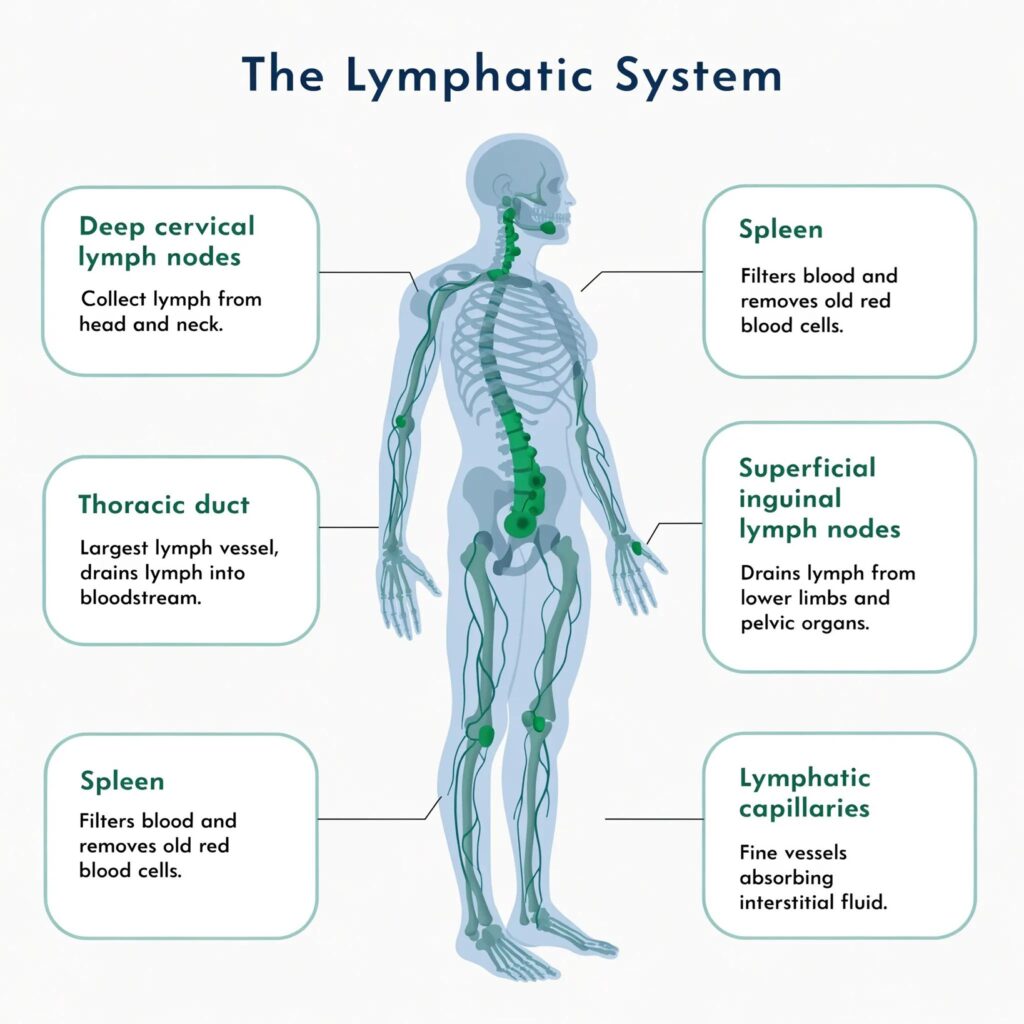
The lymphatic system comprises a network of lymphatic vessels and nodes responsible for maintaining fluid balance in the body. It collects excess interstitial fluid, filters it through the lymph nodes, and returns it to the bloodstream. The components of the lymphatic system include lymphatic vessels, lymph nodes, and lymph itself, which carries immune cells and waste products. A malfunctioning lymphatic system can lead to fluid accumulation, or lymphedema, which can be uncomfortable and lead to complications if not managed appropriately. Understanding the importance of the lymphatic system elucidates the significance of manual lymph drainage therapy in restoring optimal fluid balance.
How Does Manual Lymph Drainage Stimulate the Lymphatic System?
MLD employs specific touch techniques, including light pressure and rhythmic movements, to encourage lymph flow. This technique not only promotes the movement of lymph but also activates the contraction of lymphatic vessels, thereby enhancing their efficiency. This therapeutic response is crucial in reducing swelling and promoting healing, particularly after surgery or injury. By facilitating the flow of lymphatic fluid, MLD contributes to faster recovery times and overall improved health for individuals with lymphedema and other related conditions.
Who Can Benefit from Manual Lymph Drainage Therapy?
A diverse range of individuals can benefit from manual lymph drainage therapy. Those suffering from lymphedema, post-surgical swelling, or other circulatory issues often find significant relief through MLD. This therapy is particularly common among cancer patients who have undergone surgery or radiation, as it helps manage lymphedema and promotes healing. Additionally, MLD aids in recovery from sports injuries and enhances relaxation, making it a valuable option for athletes and active individuals.
How Does Manual Lymph Drainage Help Manage Lymphedema and Swelling?
MLD offers targeted relief to individuals with lymphedema through its unique action on lymphatic fluid clearance. By promoting lymphatic circulation, MLD can reduce the size and severity of swollen areas, improving the quality of life for affected individuals. Clinical studies have shown that regular MLD sessions lead to notable reductions in limb volume and symptoms associated with lymphedema. For those undergoing cancer treatment, MLD can aid in recovery from surgical procedures, enhancing the body’s ability to heal and maintain fluid equilibrium.
What Are Other Common Uses of Manual Lymph Drainage?
Beyond lymphedema management, MLD is applicable for various conditions, including post-operative recovery and stress relief. It is frequently used by patients recovering from cosmetic surgeries, orthopedic procedures, and major medical interventions, as it can minimize swelling and promote healing. Moreover, MLD is beneficial for individuals experiencing chronic stress or tension, as it induces a state of relaxation, supports immune function, and enhances overall wellbeing. By understanding the broad applications of MLD, one can appreciate its versatility as a therapeutic tool.
Is Manual Lymph Drainage Safe? Who Should Avoid It?
While manual lymph drainage is generally regarded as a safe and gentle therapy, there are specific considerations and contraindications to be aware of. Patients should consult with healthcare professionals before beginning MLD, especially if they have underlying health conditions. Certain individuals, such as those with an active infection, congestive heart failure, or thrombosis, should avoid this treatment. It is essential to ensure that any potential risks are assessed by a qualified therapist or healthcare provider.
What Are the Contraindications for Manual Lymph Drainage?
Contraindications for MLD include conditions such as acute infections, congestive heart failure, and blood clots. These contraindications arise because the therapy may exacerbate symptoms or complicate existing health issues. It’s crucial for practitioners to evaluate each patient’s health history carefully before proceeding with MLD to ensure safety and efficacy. By doing so, patients can experience the benefits of this therapy without unnecessary risk.
Are There Any Risks or Side Effects of Manual Lymph Drainage?
MLD is generally well-tolerated, but some patients may experience mild side effects such as temporary fatigue or increased thirst following a session. These effects are typically transient and subside quickly. However, individuals with certain medical conditions should be informed about possible complications. Proper screening and adherence to safety protocols can minimize risks, allowing patients to reap the benefits of MLD while prioritizing their health and safety.
What Happens During a Manual Lymph Drainage Session?
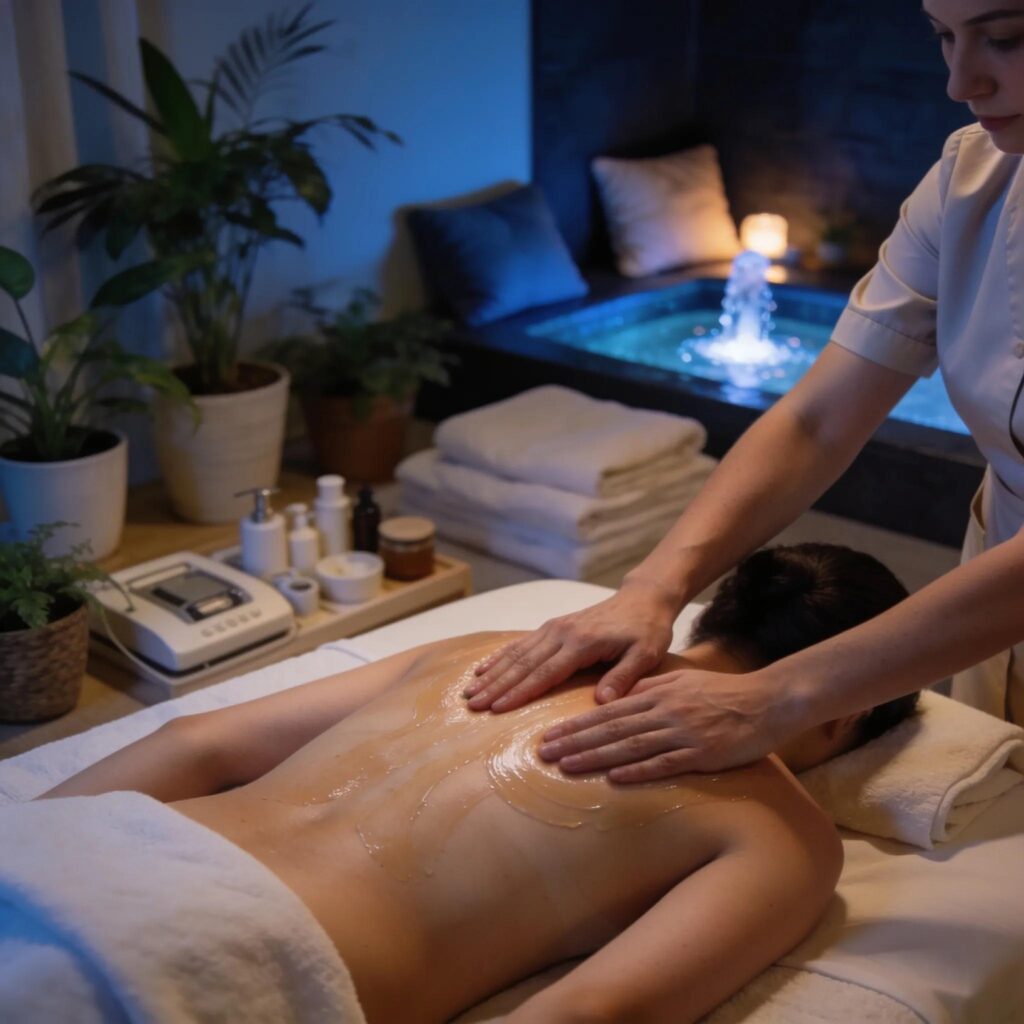
During a manual lymph drainage session, the therapist utilizes gentle, rhythmic strokes to stimulate lymphatic circulation. Each session typically lasts between 60 to 90 minutes, creating a relaxing environment that promotes optimal fluid movement. The experience is generally described as soothing, with patients often reporting a sense of tranquility and well-being following therapy. Understanding the session dynamics helps prospective clients prepare mentally and physically for their first appointment.
How Is Manual Lymph Drainage Performed Step-by-Step?
MLD is performed by a trained therapist who follows a series of established techniques to facilitate fluid movement. The session begins with an assessment of the patient’s needs, followed by targeted strokes that may include gentle circular movements and light stretching of the skin. The therapist focuses on key areas, such as the neck and armpits, where lymph nodes are concentrated, before proceeding to affected limbs. This structured approach ensures that the therapy is both effective and tailored to the individual’s requirements.
What Should Patients Expect During and After Therapy?
Patients can expect to feel relaxed and rejuvenated during and after a manual lymph drainage session. As the treatment progresses, many report a sense of lightness and a reduction in swelling. Post-treatment, it’s common to encourage hydration to assist in flushing out toxins released during therapy. Some individuals may feel fatigued after their first session, as the body adjusts to increased lymphatic activity. It’s beneficial to follow up with additional sessions to maximize the therapeutic effects, leading to improved overall health.
How Do You Choose a Qualified Manual Lymph Drainage Therapist?

Selecting a competent manual lymph drainage therapist requires careful consideration. Patients should seek certified practitioners with specialized training in lymphatic therapy to ensure the best possible care. By reviewing qualifications, experience, and client testimonials, individuals can make informed choices that align with their therapeutic needs. Finding the right therapist sets the foundation for a successful experience with manual lymph drainage.
What Qualifications and Training Should Therapists Have?
Effective MLD therapists should possess relevant certifications in manual lymph drainage techniques, often obtained through specialized training programs. It’s essential to ensure that the practitioner has experience dealing with a variety of conditions and can customize treatment plans based on patient needs. Inquire about their educational background and continuing education in lymphatic health to confirm their expertise in this specialized field.
Where Can You Find Experienced Manual Lymph Drainage Practitioners?
To find experienced manual lymph drainage practitioners, consider checking directories from professional organizations specializing in lymphatic therapy. Many reputable therapists can be found through healthcare referral services or by consulting local wellness centers. Word-of-mouth recommendations from friends or healthcare providers can also provide valuable insights. Engaging with practitioners who prioritize patient assessment and safety is key to a successful therapy experience.
What Common Mistakes Should Be Avoided in Manual Lymph Drainage Therapy?
While MLD can be highly beneficial, mistakes in technique or approach can lead to suboptimal results. Practitioners and patients alike should be mindful of several common pitfalls. Understanding these mistakes and how to avoid them ensures the effectiveness of each session. This awareness fosters better outcomes and enhances patient satisfaction with the therapy.
How Can Incorrect Technique Affect Manual Lymph Drainage Results?
Incorrect techniques during MLD can hinder the therapy’s effectiveness, potentially leading to increased discomfort instead of relief. It’s essential that therapists employ proper methods to stimulate lymphatic flow safely. Poor technique may not only fail to relieve symptoms but could exacerbate existing conditions. It is crucial for practitioners to continuously refine their skills and for clients to remain aware of what constitutes effective drainage methods.
What Are Practical Tips for Maximizing Manual Lymph Drainage Benefits?
To maximize the benefits of manual lymph drainage, patients should consider several important practices:
-
- Stay Hydrated: Drinking plenty of water before and after the session can help flush out toxins.
-
- Attend Regular Sessions: Consistency in therapy enhances the therapeutic effects, especially for chronic conditions.
-
- Communicate with Your Therapist: Share any discomfort or concerns to tailor the sessions to your needs effectively.
Implementing these practical tips can enhance the overall effectiveness of manual lymph drainage therapy, leading to better health outcomes.
